Performance
Voice actors and performance
- Hideo Ishikawa — Japanese
Performance credits are listed by release language and checked against the cited release sources.
Complete character analysis
Story, powers and development
Story spoilers ahead
The spoiler-safe introduction appears above. The sections below connect personality and abilities to relationships, defining moments, adaptation choices and current status.
Character study
Personality and motivation
- Composed
- Perceptive
- Self-sacrificing
- Secretive
Power system
Abilities, powers and limitations
Abilities
- Sharingan and genjutsu
- Mangekyo Sharingan techniques
- Fire Style ninjutsu
- Shurikenjutsu
Limits
- Advanced ocular techniques consume substantial chakra and physical stamina.
- Illness places a continuing limit on endurance.
- Choosing secrecy removes the possibility of honest consent and leaves others to inherit the consequences.
Character connections
Important relationships
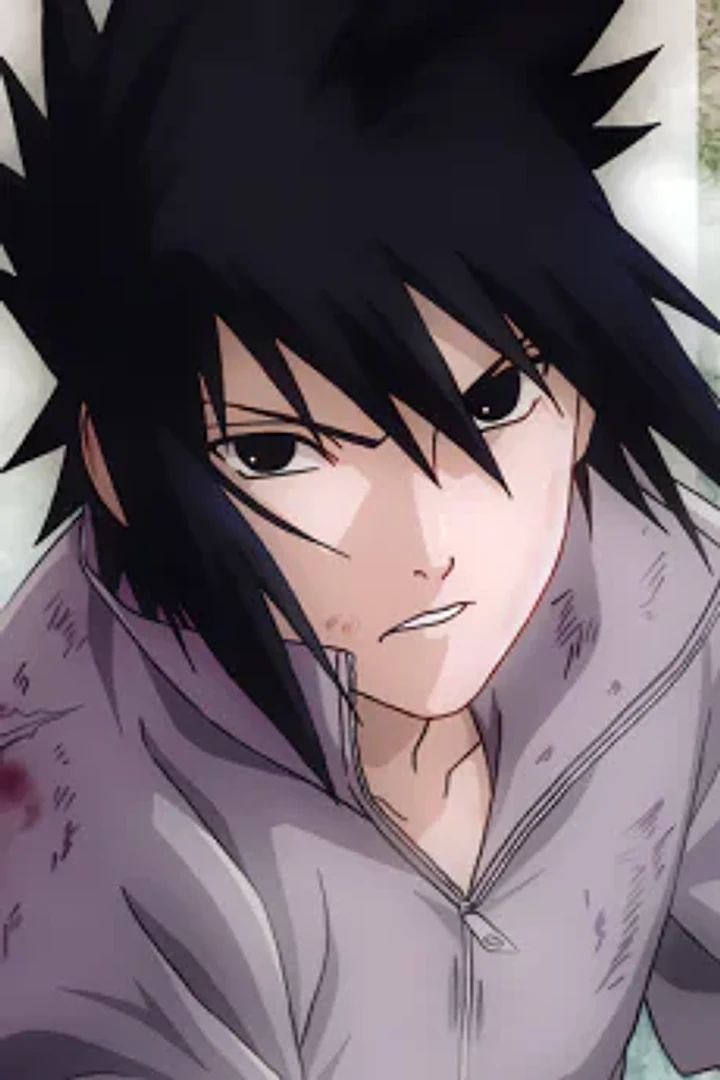
- Sasuke is the person Itachi most wants to protect and the person most damaged by the method he chooses.
- Shisui represents trust, shared ideals and the narrowing political choices facing the Uchiha.
- The Hidden Leaf leadership connects his private tragedy to institutional fear and concealed state power.
Story progression
Defining moments
- His first confrontation with Sasuke establishes an almost unreachable standard of power.
- Membership in the Akatsuki turns ambiguity into a sustained part of his public identity.
- Later revelations force viewers to reconsider whether sacrifice can excuse denying another person's agency.
Visual language
Symbolism and visual design
Crows suggest surveillance, substitution and a presence that can dissolve before it is fully understood.
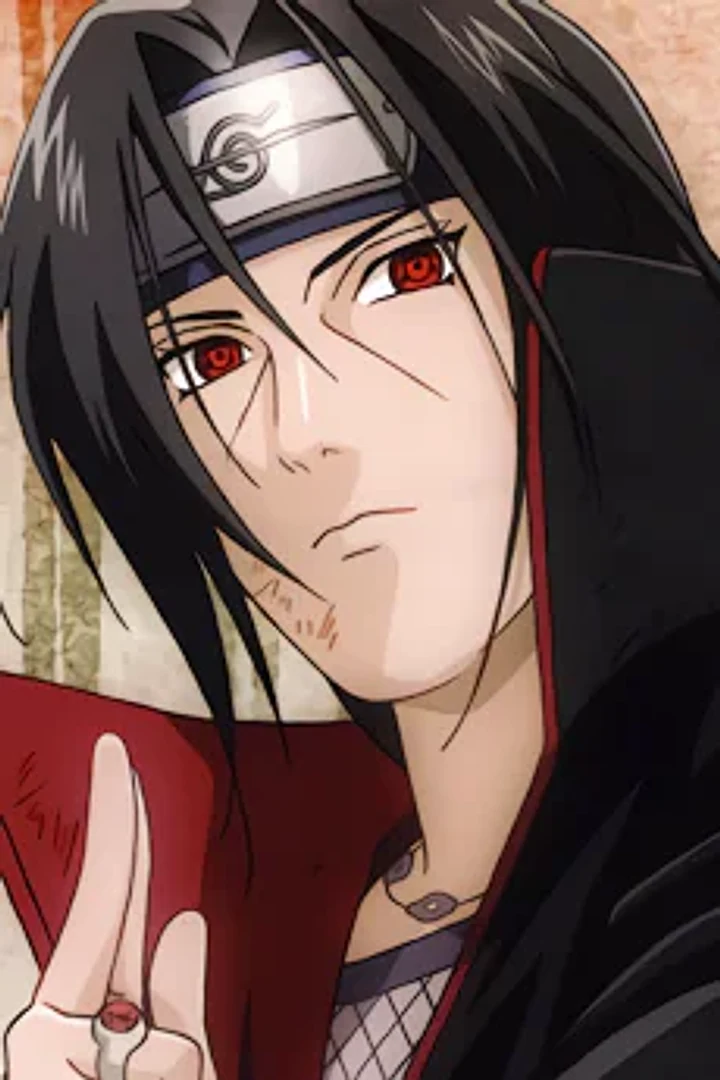
The crossed-out forehead protector makes rejection of the village visible while the character's deeper loyalty remains hidden.
Adaptation notes
Manga versus anime
The anime expands quiet encounters and childhood material, giving more time to the contrast between gifted composure and emotional isolation.
Voice performance and restrained movement preserve ambiguity by making threat, affection and exhaustion coexist.
Spoiler section
Ending and current status
The main profile avoids end-of-series outcomes and late identity or relationship reveals.
Ending and current-status coverage will only appear inside a dedicated, clearly labelled spoiler section.