Performance
Voice actors and performance
- Daisuke Namikawa - Japanese
Performance credits are listed by release language and checked against the cited release sources.
Complete character analysis
Story, powers and development
Story spoilers ahead
The spoiler-safe introduction appears above. The sections below connect personality and abilities to relationships, defining moments, adaptation choices and current status.
Character study
Personality and motivation
- Charismatic
- Calculating
- Playfully provocative
- Relentlessly hardworking
Power system
Abilities, powers and limitations
Abilities
- Adapting sets to individual hitters
- Powerful and precisely targeted jump serves
- Opponent scouting and in-match tactical adjustment
- Coordinating team confidence and attacking rhythm
Limits
- Anxiety about more naturally gifted players can turn preparation into punishing comparison.
- His willingness to train through physical strain risks treating the body as another obstacle to dominate.
- Showmanship and provocation can hide concerns that would be healthier to discuss directly.
Character connections
Important relationships
- Hajime Iwaizumi is Oikawa's oldest teammate, ace and emotional counterweight, able to challenge the performance because he knows the work beneath it.
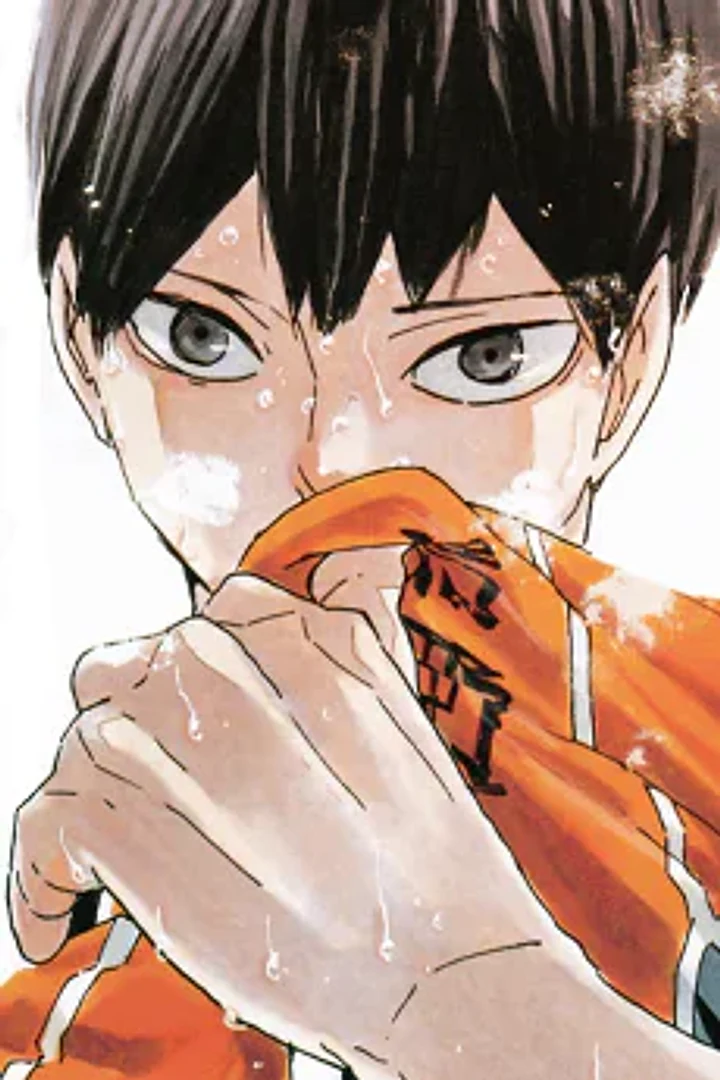
- Tobio Kageyama is a gifted junior Oikawa both teaches and fears, concentrating his anxiety about talent into a personal rivalry.
- Wakatoshi Ushijima represents the powerful path Oikawa declined to join, making every match against Shiratorizawa a test of his belief in team construction.
Story progression
Defining moments
- Targeting a receiver with repeated jump serves shows that spectacle is always attached to careful tactical purpose.
- Adjusting unfamiliar teammates during brief practice demonstrates that his setting depends on rapid observation rather than only long-established chemistry.
- Trusting a final attack to a teammate under extreme pressure confirms that Oikawa's answer to individual talent remains collective execution.
Visual language
Symbolism and visual design
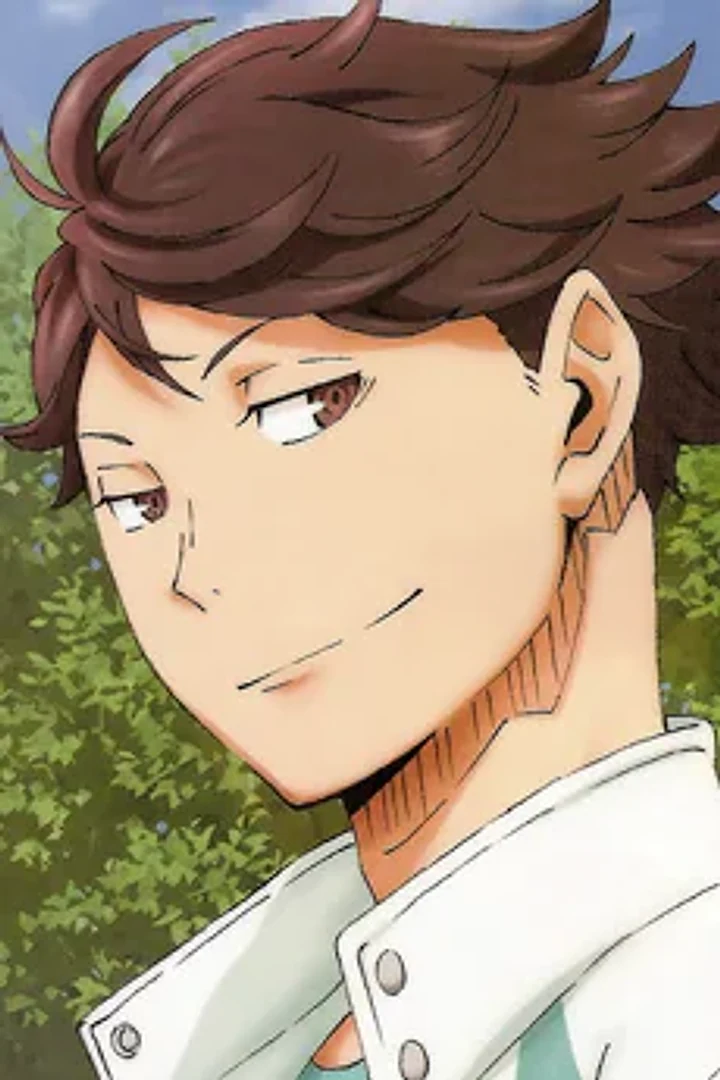
The Great King nickname parallels Kageyama's title but changes its meaning: Oikawa's authority depends on persuading a team to move together.
His deliberate pre-serve routine turns showmanship into concentration, giving spectators a visible pause before controlled force.
The captain's number 1 jersey anchors an expressive personality inside responsibility for the whole court.
Adaptation notes
Manga versus anime
The manga devotes panels to Oikawa's sight lines and target selection, making his apparently spontaneous decisions traceable.
The anime expands the tension before serves and sets through silence, crowd sound and Daisuke Namikawa's shifts between teasing ease and competitive severity.
Spoiler section
Ending and current status
The main profile avoids end-of-series outcomes and late identity or relationship reveals.
Ending and current-status coverage will only appear inside a dedicated, clearly labelled spoiler section.