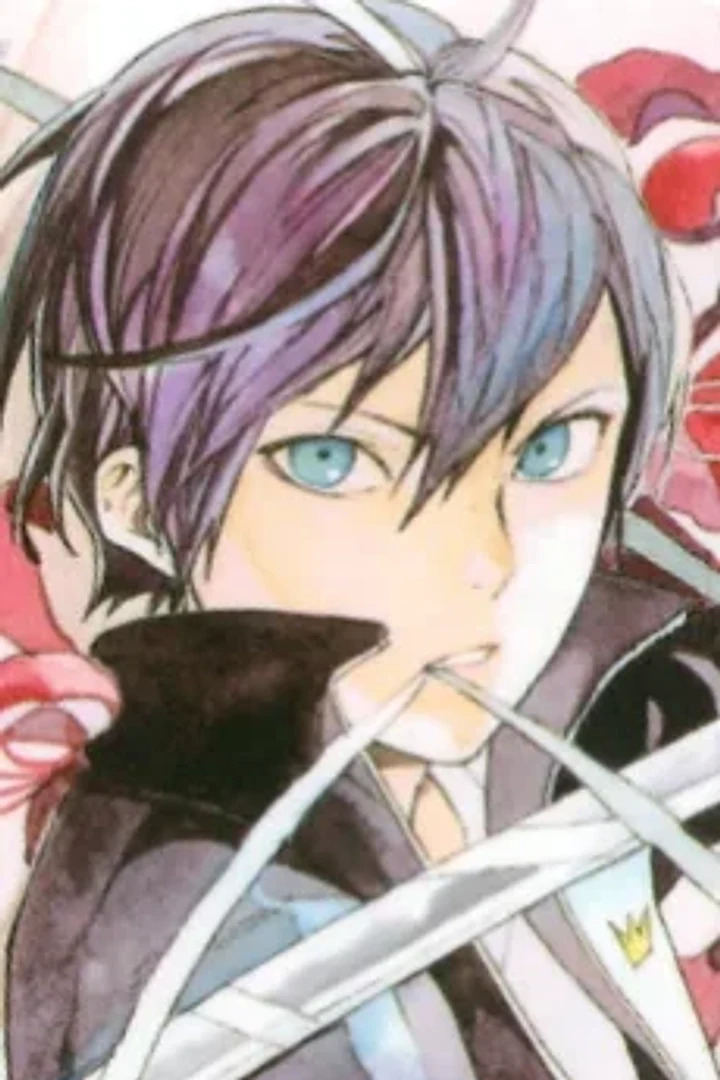
Performance
Voice actors and performance
- Hiroshi Kamiya - Japanese
Performance credits are listed by release language and checked against the cited release sources.
Complete character analysis
Story, powers and development
Story spoilers ahead
The spoiler-safe introduction appears above. The sections below connect personality and abilities to relationships, defining moments, adaptation choices and current status.
Character study
Personality and motivation
- Theatrical
- Opportunistic
- Protective
- Deeply insecure about being forgotten
Power system
Abilities, powers and limitations
Abilities
- Fighting phantoms with a named Regalia
- Cutting spiritual bonds and corrupting influences
- Exceptional speed, reflexes and close-range combat
- Perceiving gods, spirits and the Far Shore
Limits
- Yato's combat options depend heavily on trust and coordination with his Regalia.
- A Regalia's wrongdoing can physically blight the god, making their moral relationship an immediate vulnerability.
- Without a shrine or broad body of worshippers, Yato's existence and public authority remain precarious.
Character connections
Important relationships
- Hiyori Iki refuses to let Yato remain only a hired god, giving him recognition while also demanding that he keep promises made to ordinary people.
- Yukine becomes Yato's Regalia and ward. Their bond requires discipline, forgiveness and a form of parenting neither initially knows how to practise.
- Bishamon treats Yato as an enemy because of a violent shared history, forcing present intentions to confront consequences that cannot be erased by a new name.
Story progression
Defining moments
- Advertising divine services through graffiti and accepting five-yen requests establishes both Yato's absurd salesmanship and his fear of disappearing.
- Naming Yukine gives Yato the weapon he needs while making him responsible for a frightened dead child rather than an obedient tool.
- Enduring the consequences of Yukine's blight turns their conflict into a test of whether truth, punishment and forgiveness can repair a divine bond.
Visual language
Symbolism and visual design
The five-yen coin evokes the Japanese idea of fortunate connection, making each tiny payment a request for a relationship as much as a transaction.
His tracksuit and worn scarf deny the ceremonial grandeur expected of a god and make divinity look improvised within modern city life.
A phone number written on walls replaces a shrine address, showing Yato trying to build permanence through disposable marks.
Adaptation notes
Manga versus anime
Adachitoka's manga develops Yato's origin, divine systems and changing relationships far beyond the two television seasons.
The first anime season adds an original late conflict, while Noragami Aragoto returns to major manga arcs. Hiroshi Kamiya balances Yato's sales-pitch comedy with abrupt seriousness.
Spoiler section
Ending and current status
The main profile avoids end-of-series outcomes and late identity or relationship reveals.
Ending and current-status coverage will only appear inside a dedicated, clearly labelled spoiler section.