Performance
Voice actors and performance
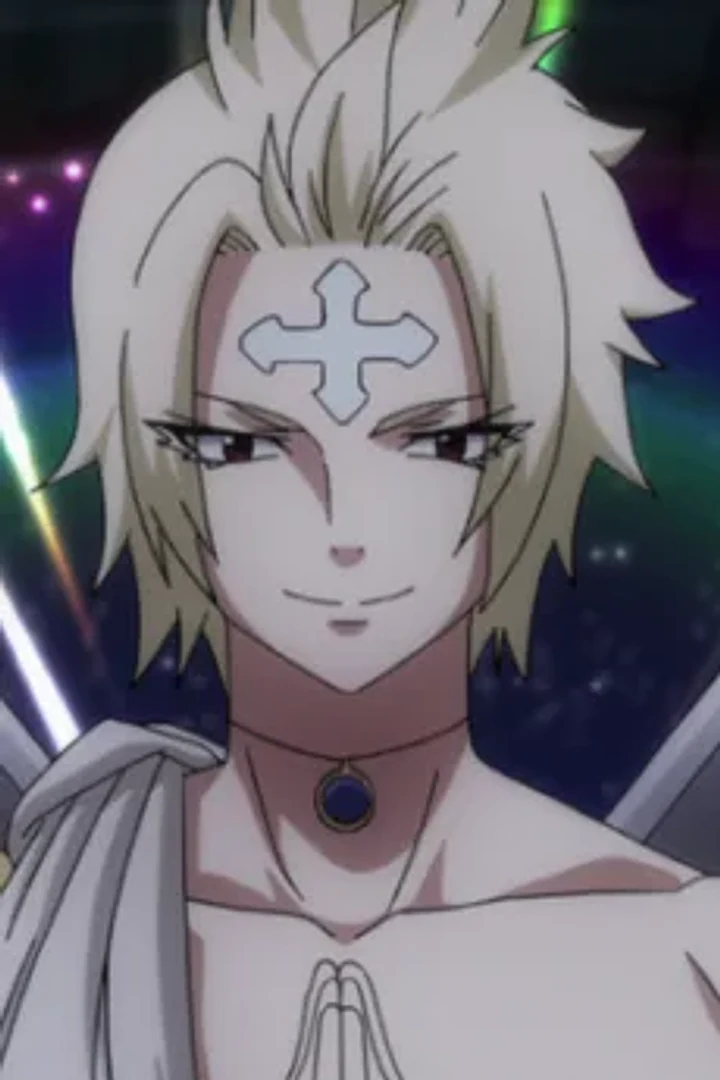
- Takahiro Sakurai - Japanese
Performance credits are listed by release language and checked against the cited release sources.
Complete character analysis
Story, powers and development
Story spoilers ahead
The spoiler-safe introduction appears above. The sections below connect personality and abilities to relationships, defining moments, adaptation choices and current status.
Character study
Personality and motivation
- Confident and openly competitive
- Deeply devoted to Lector
- More emotionally expressive than Rogue
- Capable of admitting when an inherited value system has failed
- Protective of the reformed Sabertooth
Power system
Abilities, powers and limitations
Abilities
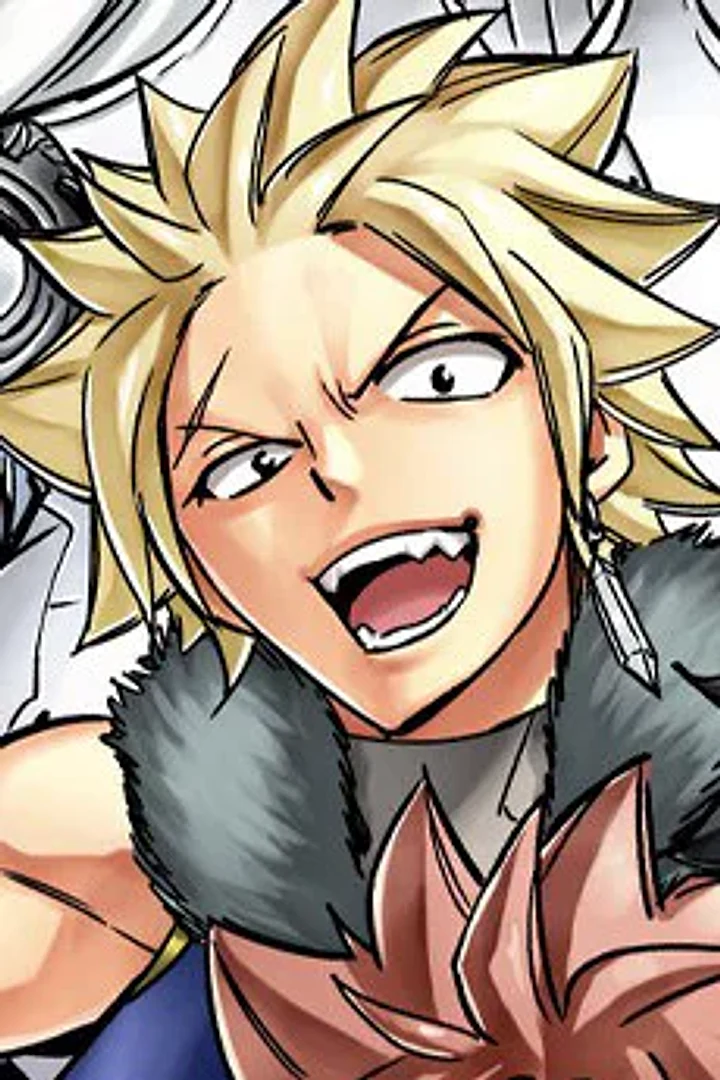
- White Dragon Slayer Magic that produces destructive white and light-based attacks
- White Dragon's Roar and close-range techniques reinforced by Dragon Slayer physiology
- Dragon Force reached through his Third-Generation combination of dragon training and Lacrima power
- White Drive, which raises speed, strength and magical output
- Ability to consume compatible white or light magic to restore energy
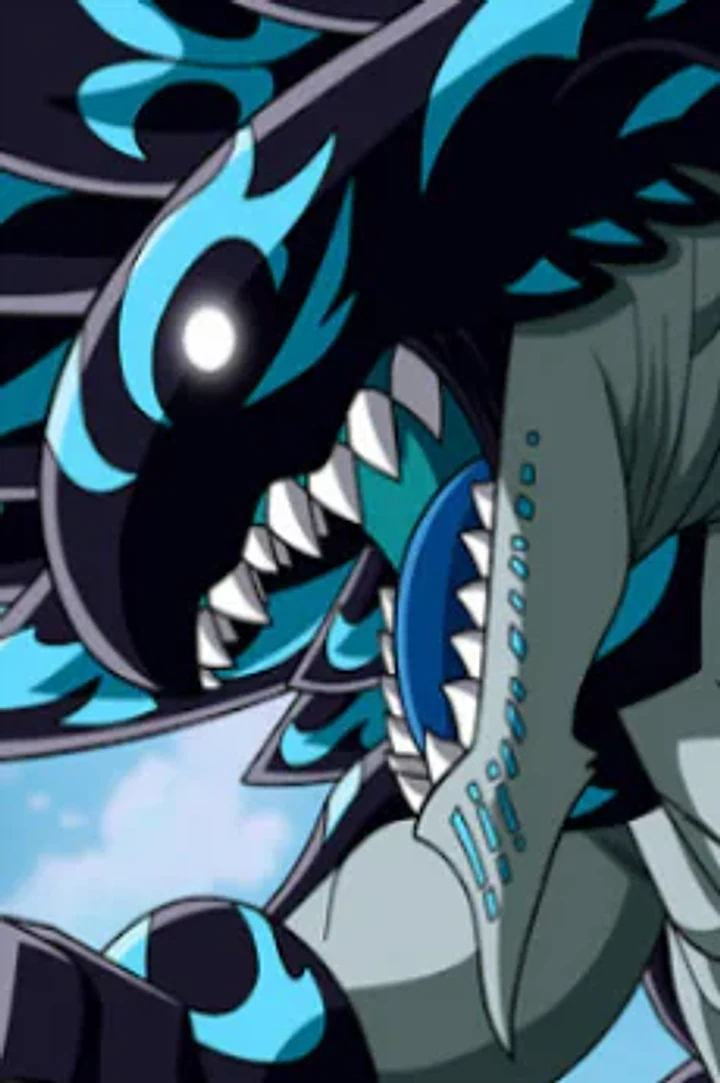
- White Shadow Dragon Mode gained by combining Rogue's shadow power with his own magic
Limits
- Sting cannot replenish himself by consuming magic he produced.
- Dragon Slayer motion sickness makes ordinary vehicle travel difficult once his power matures.
- His early confidence is built on rankings and can collapse when a battle exposes the weakness of Sabertooth's values.
- Absorbing a compatible magic does not automatically neutralize every secondary effect of an opponent's technique.
- Guild leadership requires judgement and responsibility that raw Dragon Slayer power cannot supply.
Character connections
Important relationships
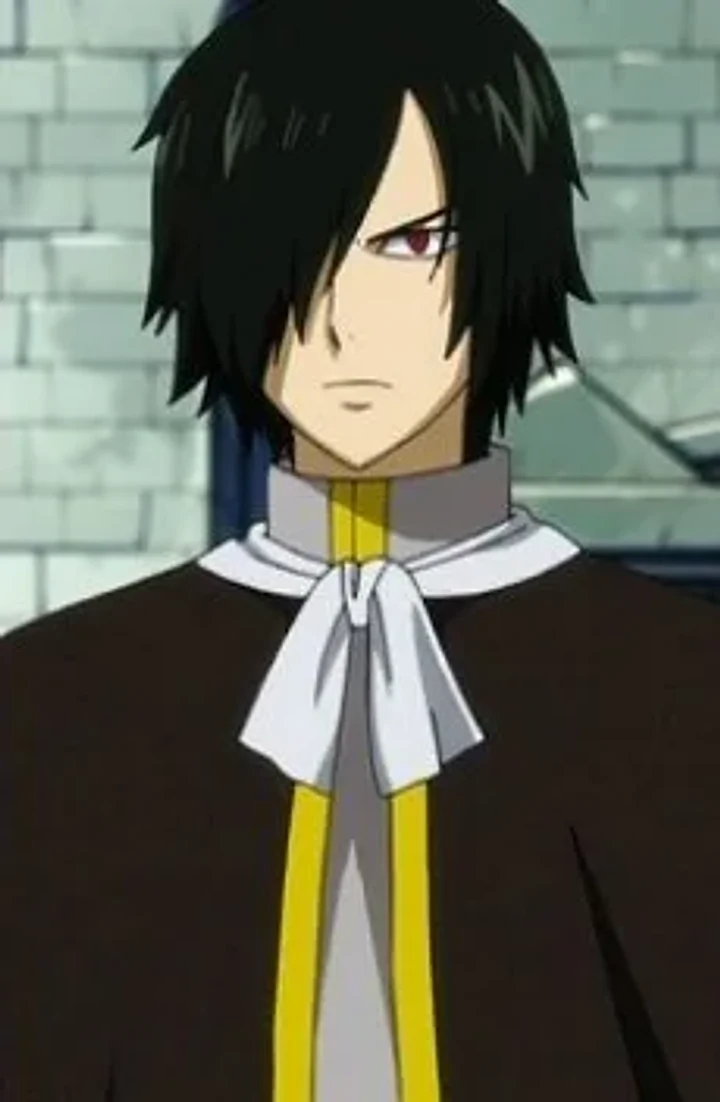
- Rogue Cheney is Sting's fellow Twin Dragon, closest combat partner and the source of the shadow power used against Larcade.
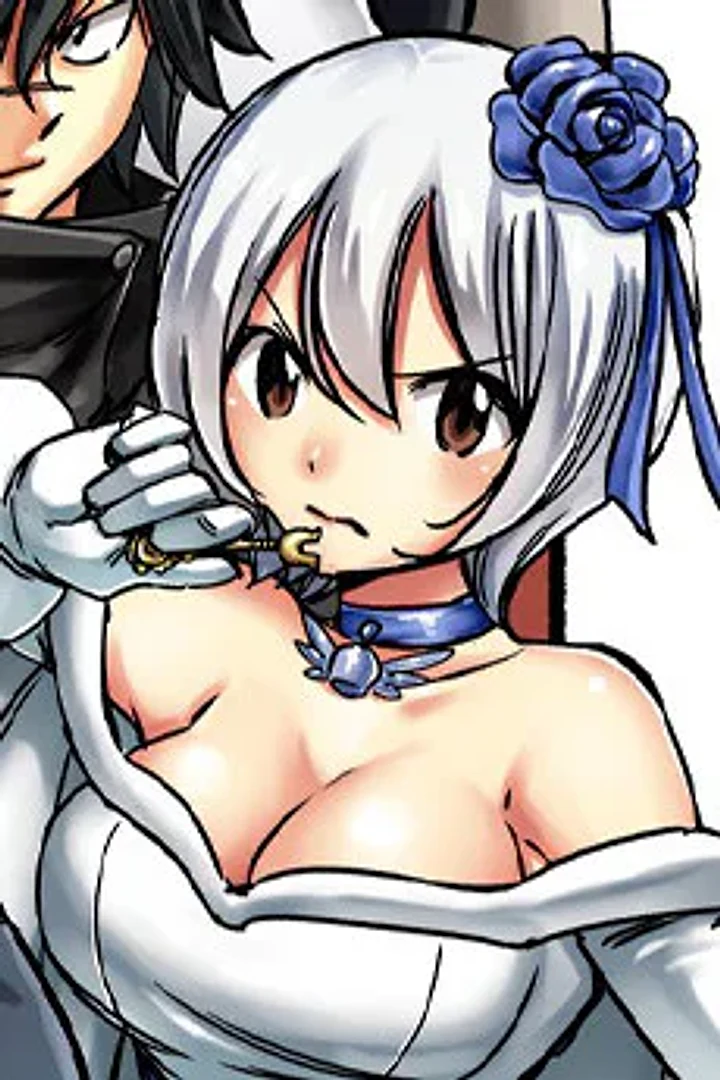
- Lector gives Sting a bond that Sabertooth's strength-first culture cannot explain or replace.
- Weisslogia raises Sting, teaches him White Dragon Slayer Magic and later reveals the purpose behind the dragons' disappearance.
- Natsu Dragneel defeats the Twin Dragons and becomes the clearest example of strength rooted in trust rather than status.
- Yukino Agria's expulsion shows Sting the cruelty of Jiemma's rule, and restoring her membership marks the guild's reform.
- Jiemma embodies the system Sting eventually rejects before facing its demonized form beside Rogue.
Story progression
Defining moments
- Entering the Grand Magic Games as a celebrated Third-Generation Dragon Slayer turns Sting into the public face of Sabertooth's dominance.
- Losing to Natsu with Rogue overturns his belief that technical generation alone determines who has surpassed whom.
- Refusing to attack Fairy Tail's exhausted final team places Lector's bond and his own conscience above a tournament victory.
- Removing Jiemma and becoming guild master gives Sting responsibility for changing the institution that shaped him.
- Defeating the demonized Jiemma with Rogue proves that Sabertooth's future no longer belongs to its former master.
- Combining white and shadow power against Larcade shows Sting accepting partnership instead of treating support as weakness.
Visual language
Symbolism and visual design
White magic begins as a badge of superiority but develops into an image of clarity after Sting recognizes Sabertooth's corruption.
The crossed scar over his eyebrow gives his bright, polished design a visible mark of conflict.
Lector's small stature contrasts with Sabertooth's obsession with dominance and reveals what Sting values beyond appearances.
White Shadow Dragon Mode turns the Twin Dragons' friendship into a shared visual and magical form.
Adaptation notes
Manga versus anime
The manga places Sting's change across the Grand Magic Games, Sabertooth's leadership transition, Tartaros and Alvarez, letting later teamwork test whether his reform is lasting.
The anime preserves that progression while giving Sting and Lector's reactions, the renewed Sabertooth atmosphere and the Twin Dragons' coordinated battles more performance space. Official episode material identifies Sting as Sabertooth's new master and later centers his and Rogue's confrontation with the demonized Jiemma. Takahiro Sakurai voices Sting in Japanese.
Spoiler section
Ending and current status
The main profile avoids end-of-series outcomes and late identity or relationship reveals.
Ending and current-status coverage will only appear inside a dedicated, clearly labelled spoiler section.