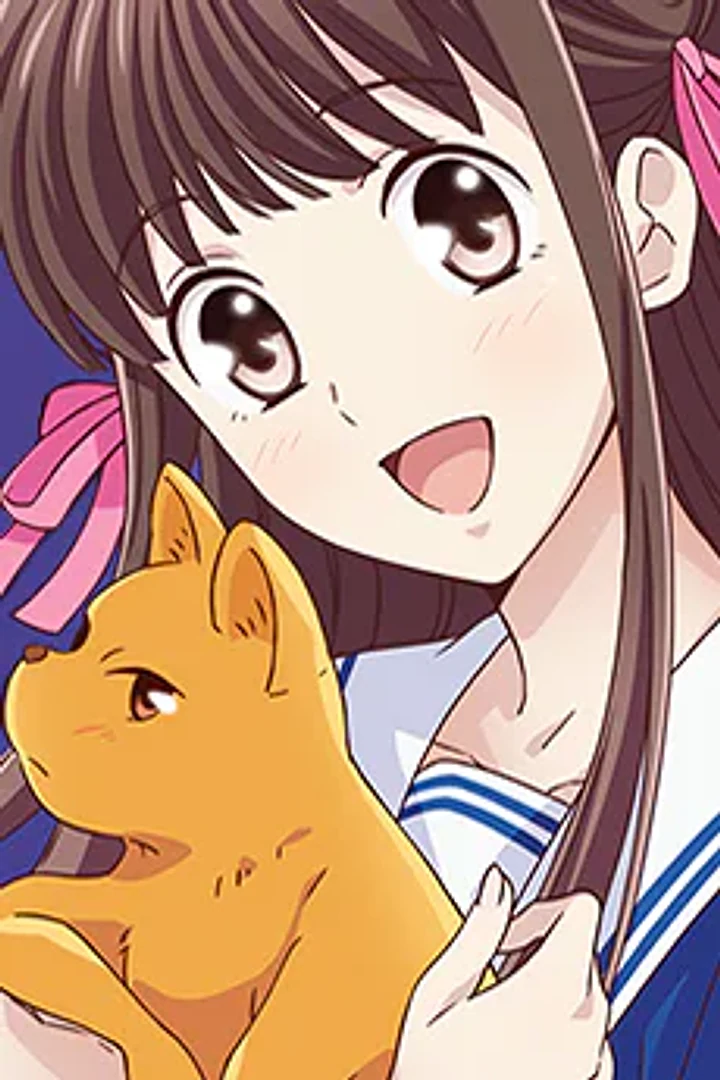
Performance
Voice actors and performance
Performance credits are listed by release language and checked against the cited release sources.
Complete character analysis
Story, powers and development
Story spoilers ahead
The spoiler-safe introduction appears above. The sections below connect personality and abilities to relationships, defining moments, adaptation choices and current status.
Character study
Personality and motivation
- Compassionate
- Diligent
- Optimistic
- Conflict-avoidant
Power system
Abilities, powers and limitations
Abilities
- Emotional attentiveness and patient listening
- Cooking, housekeeping and practical self-reliance
- Resilience through grief and instability
- De-escalating conflict without humiliating either person
Limits
- Tohru minimises her own needs and can accept burdens that should be shared.
- Avoiding conflict sometimes delays necessary honesty rather than protecting a relationship.
- Kindness can support someone affected by the Sohma curse, but it cannot by itself undo coercion or abuse.
Character connections
Important relationships
- Kyo Sohma responds to Tohru's acceptance with a mixture of defensiveness and growing trust, making their bond central to how both understand belonging.
- Yuki Sohma finds an ordinary warmth in Tohru that contrasts with the controlled Sohma household, though the meaning of that comfort changes as he understands it.
- Kyoko Honda remains a powerful presence through Tohru's memories and photograph, shaping her values while also revealing grief she struggles to examine directly.
Story progression
Defining moments
- Continuing school while living in a tent shows Tohru's resourcefulness and the extent to which she hides hardship from friends.
- Learning the Sohma transformation secret without rejecting the people involved establishes acceptance as a deliberate response rather than surprise-free innocence.
- Choosing the Sohma household as a place she wants to return to allows Tohru to express belonging as her own need, not merely payment for chores.
Visual language
Symbolism and visual design
The rice ball left outside a fruits basket represents the fear of being the one item that does not fit, while Tohru's presence questions who gets to define the basket.
Her mother's photograph makes memory a daily companion, preserving love while showing how tightly Tohru holds the past.
The tent combines independence with precarity: it looks like self-sufficiency until weather, land and other people reveal how fragile that arrangement is.
Adaptation notes
Manga versus anime
The 2019 anime was structured as a new adaptation of Natsuki Takaya's manga and follows the story far beyond the point reached by the 2001 television series.
The earlier anime places greater weight on episodic comedy and stops before much of Tohru's later development. Manaka Iwami voices Tohru in the 2019 version.
Spoiler section
Ending and current status
The main profile avoids end-of-series outcomes and late identity or relationship reveals.
Ending and current-status coverage will only appear inside a dedicated, clearly labelled spoiler section.