Performance
Voice actors and performance
Performance credits are listed by release language and checked against the cited release sources.
Complete character analysis
Story, powers and development
Story spoilers ahead
The spoiler-safe introduction appears above. The sections below connect personality and abilities to relationships, defining moments, adaptation choices and current status.
Character study
Personality and motivation
- Combative
- Blunt
- Suspicious of institutions
- Loyal beneath constant irritation
Power system
Abilities, powers and limitations
Abilities
- Releasing Kubikiri Orochi into a broad, serrated cleaver designed for forceful close-range attacks
- Using fast sword combinations, powerful kicks and aggressive movement to keep an opponent reacting
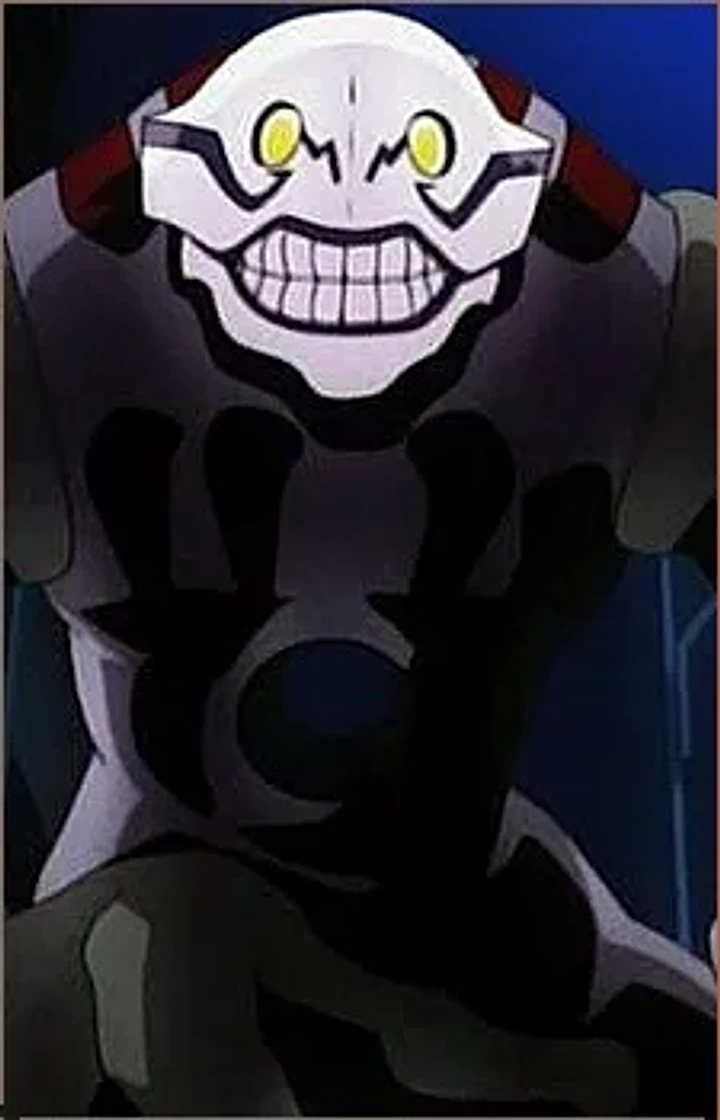
- Donning a Hollow mask to amplify spiritual power, speed and striking force
- Using Cero and other Visored combat techniques after gaining control of her Hollowfication
Limits
- Kubikiri Orochi and Hiyori's preferred fighting style require close distance, exposing her to counterattacks from longer-range weapons.
- A Hollow mask provides a large temporary increase but cannot be treated as an unlimited transformation.
- Her anger can override Shinji's warnings and tactical patience, making provocation especially effective against her.
Character connections
Important relationships
- Shinji Hirako absorbs Hiyori's insults without abandoning her, becoming the most stable relationship in her century of exile.
- Kisuke Urahara initially represents an unwanted replacement for Hikifune, but Hiyori's resistance gradually develops into trust before Aizen destroys their division.
- Kirio Hikifune is the captain Hiyori regarded like a mother, making her promotion to Squad Zero feel like personal abandonment.
- Ichigo Kurosaki becomes Hiyori's trainee and mirror, another Soul Reaper forced to decide whether Hollow power is only an enemy.
Story progression
Defining moments
- Fighting Urahara's appointment to Squad 12 reveals that hostility is Hiyori's first response to grief and institutional change.
- Provoking Ichigo's inner Hollow during their test turns her abrasive method into the gateway to his Visored training.
- Confronting Aizen in Fake Karakura Town after a century of exile shows why her anger cannot be dismissed as empty temperament.
Visual language
Symbolism and visual design
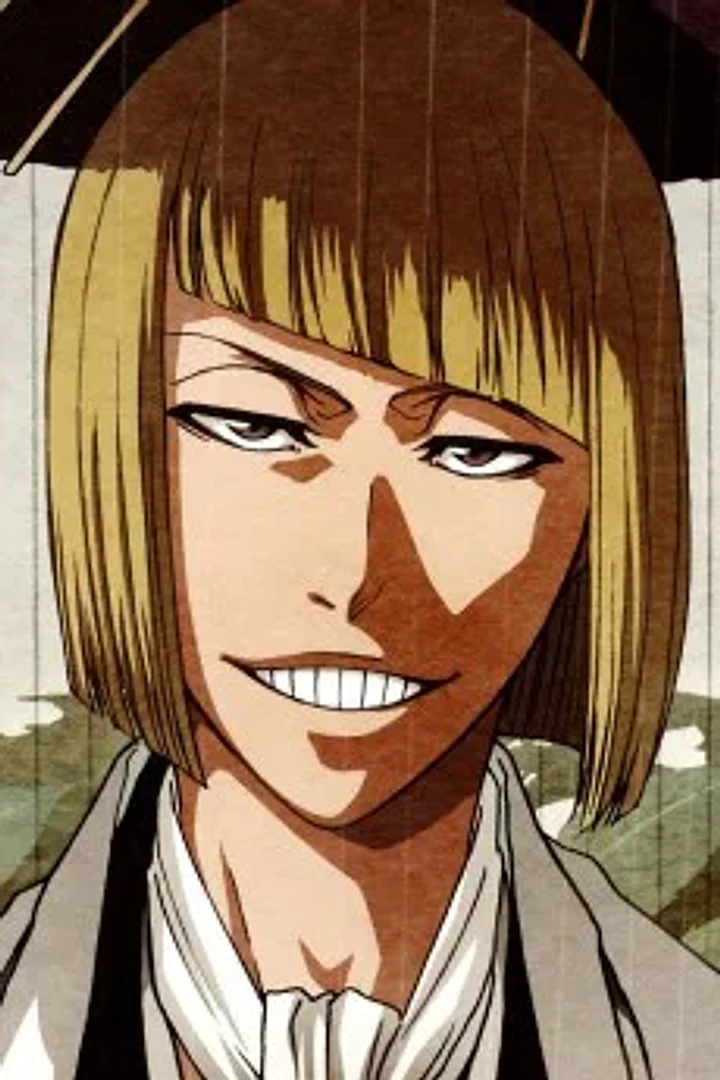
Hiyori's tracksuit and sandals reject Soul Society formality, visually preserving the exile that the institution cannot simply reverse.
The name Kubikiri Orochi evokes a neck-cutting serpent, matching a jagged blade and attacks that move with snapping aggression.
Her small frame and enormous cleaver make emotional force visible: she occupies space by refusing to soften either weapon or voice.
Adaptation notes
Manga versus anime
The manga uses Turn Back the Pendulum to show the loyalty beneath Hiyori's hostility before the present-day Visored training. Her conflict with Aizen then reads as accumulated betrayal rather than a sudden outburst.
The anime expands arguments with Shinji, Squad 12 memories and Ichigo's training exchanges. Reiko Takagi's Japanese performance turns the rapid shifts between comedy, fury and pain into a defining part of Hiyori's presence.
Spoiler section
Ending and current status
The main profile avoids end-of-series outcomes and late identity or relationship reveals.
Ending and current-status coverage will only appear inside a dedicated, clearly labelled spoiler section.