Performance
Voice actors and performance
- Masakazu Morita — Japanese
Performance credits are listed by release language and checked against the cited release sources.
Complete character analysis
Story, powers and development
Story spoilers ahead
The spoiler-safe introduction appears above. The sections below connect personality and abilities to relationships, defining moments, adaptation choices and current status.
Character study
Personality and motivation
- Protective
- Blunt
- Perceptive
- Reluctant to share burdens
Power system
Abilities, powers and limitations
Abilities
- Soul Reaper combat
- Zangetsu
- Getsuga Tensho
- Exceptional spiritual pressure
Limits
- Protective instinct encourages him to accept responsibility before understanding the full conflict.
- Uncertainty about the origins of his power can interfere with access and control.
- He often conceals fear from friends, reducing the support available when pressure is greatest.
Character connections
Important relationships
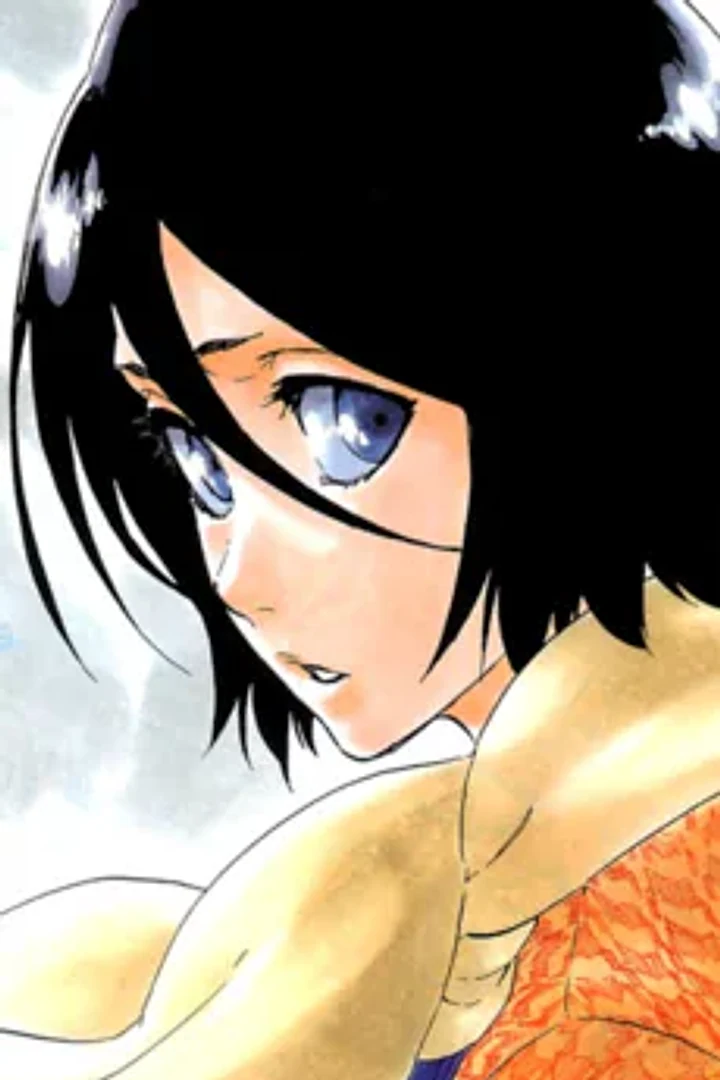
- Rukia changes Ichigo's understanding of death and duty, then becomes a partner whose fate he refuses to leave to institutional judgement.
- Orihime and Chad connect supernatural conflict to the school friendships and neighbourhood Ichigo is trying to preserve.
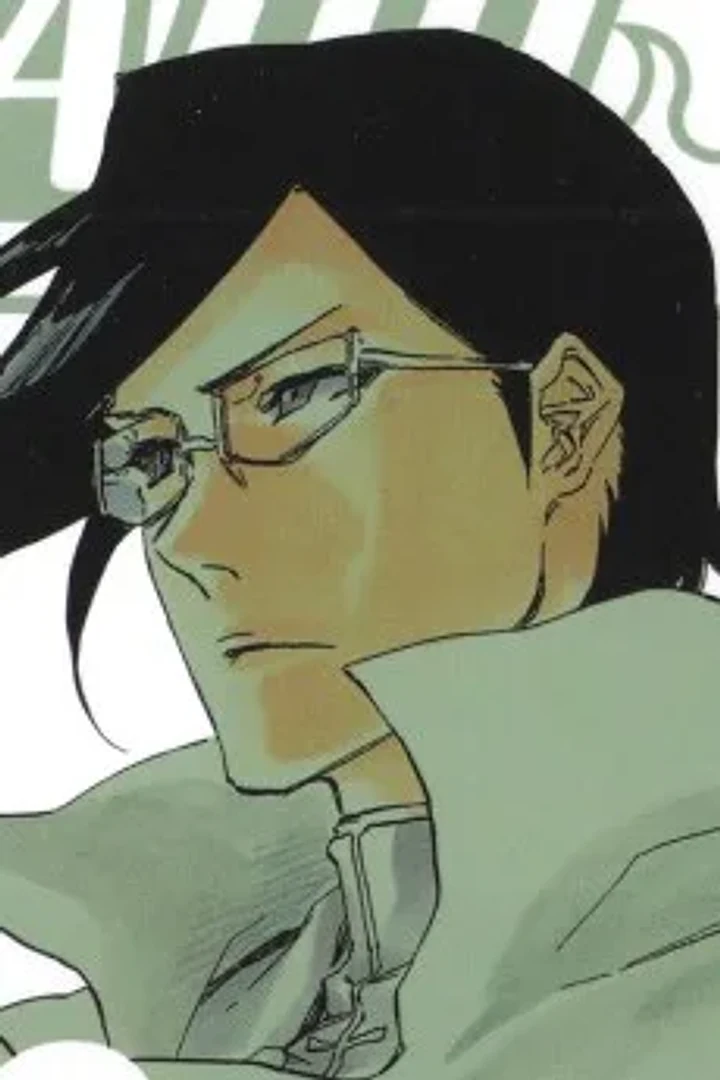
- Uryu Ishida begins as an ideological rival whose Quincy perspective complicates Ichigo's assumptions about Soul Reapers and Hollows.
Story progression
Defining moments
- Accepting Rukia's power to defend his family turns spiritual perception into active responsibility.
- Entering the Soul Society for a friend shows that loyalty can matter more to him than the legitimacy of an established law.
- Confronting the presence within Zangetsu makes self-knowledge part of combat rather than a separate private concern.
Visual language
Symbolism and visual design
Bright orange hair makes Ichigo visually conspicuous in ordinary life, while the black Soul Reaper uniform marks entry into another social order.
Zangetsu's changing form reflects a power whose meaning develops as Ichigo's understanding of himself changes.
Adaptation notes
Manga versus anime
The original television anime expands early school life and some journeys, while also introducing anime-original arcs that change the rhythm of the manga's central progression.
Thousand-Year Blood War uses updated colour, sound and tighter seasonal structure to emphasise scale and identity revelations differently from the weekly manga.
Spoiler section
Ending and current status
The main profile avoids end-of-series outcomes and late identity or relationship reveals.
Ending and current-status coverage will only appear inside a dedicated, clearly labelled spoiler section.