Performance
Voice actors and performance
- Noriaki Sugiyama - Japanese
Performance credits are listed by release language and checked against the cited release sources.
Complete character analysis
Story, powers and development
Story spoilers ahead
The spoiler-safe introduction appears above. The sections below connect personality and abilities to relationships, defining moments, adaptation choices and current status.
Character study
Personality and motivation
- Precise
- Proud
- Quietly compassionate
- Competitive with Ichigo
Power system
Abilities, powers and limitations
Abilities
- Forming a spiritual bow and firing arrows made from gathered reishi
- Using Hirenkyaku for high-speed movement across spiritual particles
- Employing Ginto tubes, Seele Schneider and other prepared Quincy tools
- Analysing an opponent's spiritual structure and fighting effectively at range
Limits
- Quincy techniques depend on available spiritual particles and careful control of their flow.
- Some maximum-output methods trade lasting power or bodily safety for a single decisive advantage.
- Pride makes Uryu conceal injury, family knowledge and plans that teammates could help him carry.
Character connections
Important relationships
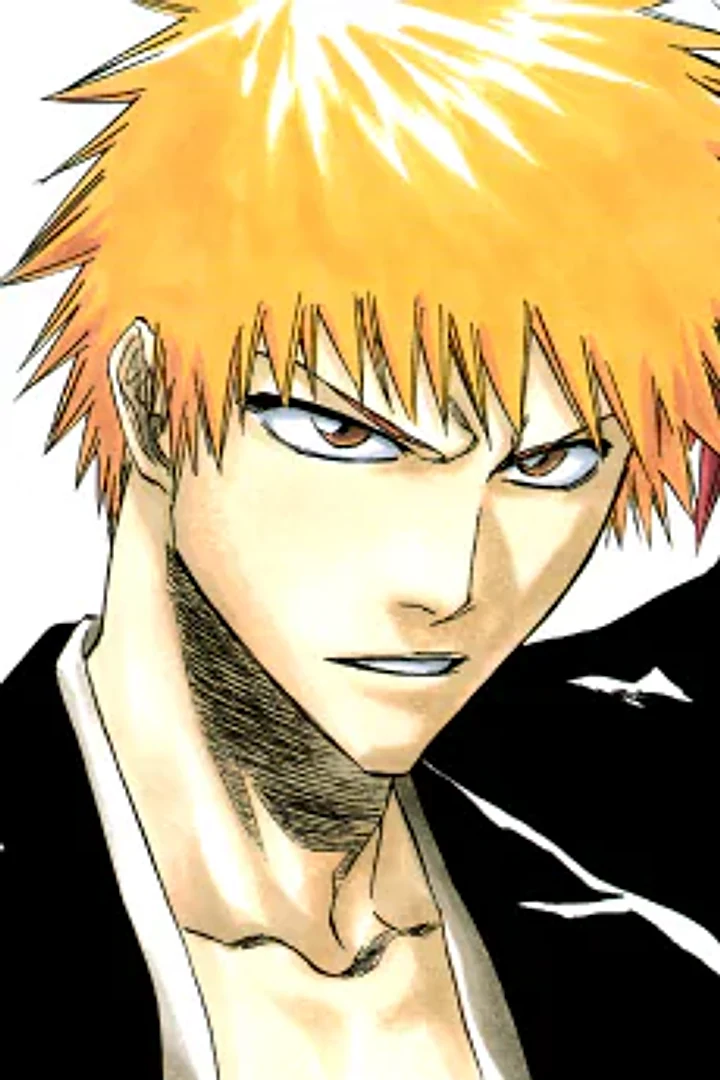
- Ichigo Kurosaki is Uryu's rival and closest battlefield equal, turning inherited hostility into a friendship expressed through argument and rescue.
- Soken Ishida teaches Uryu Quincy technique and a philosophy of cooperation, giving his grandfather's death lasting moral and political weight.
- Ryuken Ishida rejects the romantic image of Quincy duty and clashes with his son, though his knowledge and motives are more complicated than indifference.
- Orihime Inoue becomes a trusted teammate whose empathy and defensive abilities complement Uryu's reserved, analytical approach.
Story progression
Defining moments
- Using Hollow bait to challenge Ichigo exposes the danger of turning historical grievance into a contest that endangers other people.
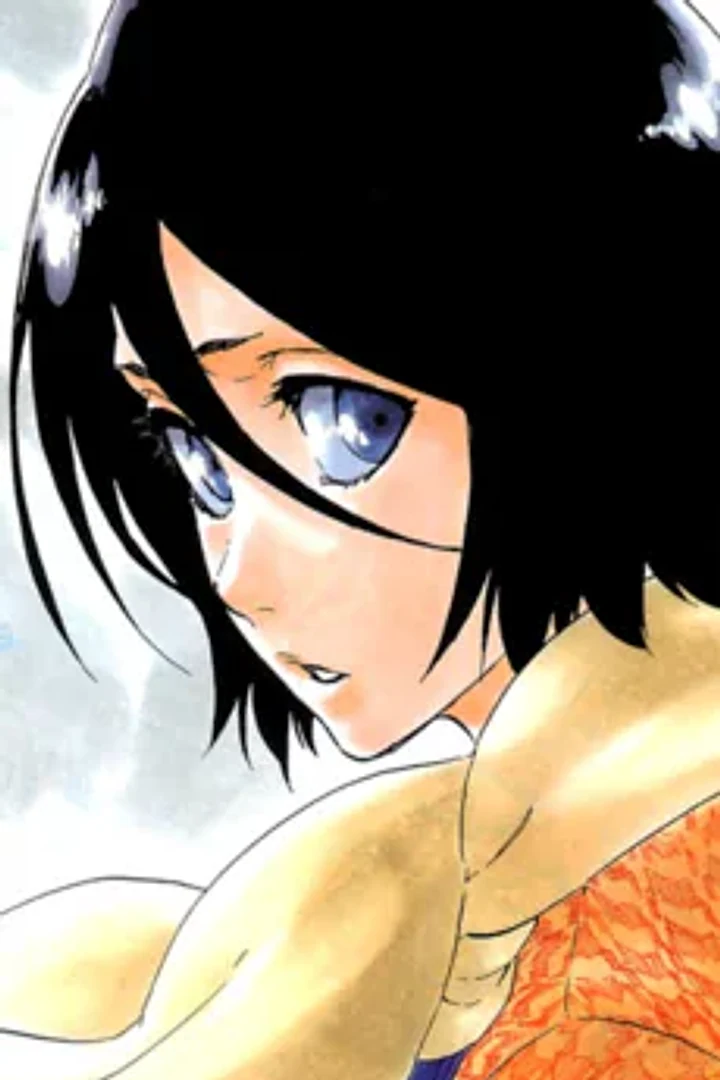
- Joining the Soul Society rescue mission proves that Uryu can oppose Soul Reaper institutions while risking himself for Rukia.
- Fighting Mayuri confronts Uryu with the human cost of Quincy persecution and pushes technique beyond its safe limits.
Visual language
Symbolism and visual design
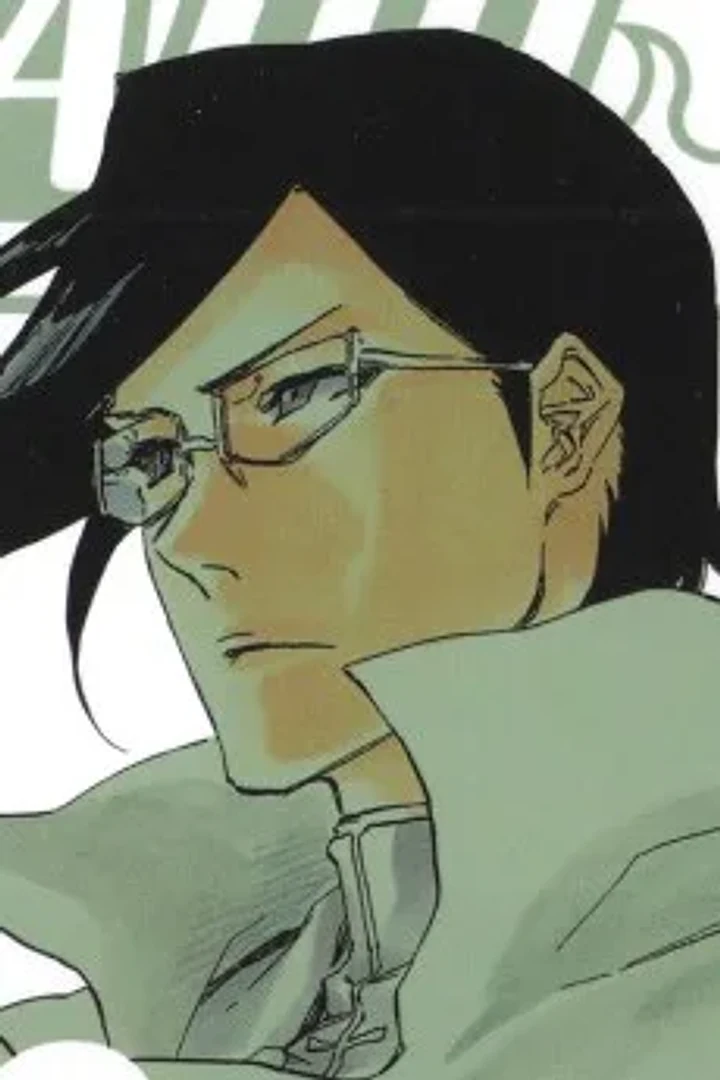
Quincy white distinguishes Uryu from Soul Reaper black, keeping historical and philosophical difference visible even during cooperation.
The bow creates distance and geometry, matching a fighter who prefers calculation before commitment.
Glasses, neat uniform and expert sewing complicate the expected warrior image, making craftsmanship part of his precision.
Adaptation notes
Manga versus anime
Tite Kubo's manga is the source continuity. The 2004 anime expands battles and gives Uryu additional roles in anime-original arcs, sometimes extending the time between his major manga decisions.
Bleach: Thousand-Year Blood War places Quincy history at the centre of the conflict and gives Uryu a later status that the main profile intentionally does not reveal. Noriaki Sugiyama voices Uryu in Japanese.
Spoiler section
Ending and current status
The main profile avoids end-of-series outcomes and late identity or relationship reveals.
Ending and current-status coverage will only appear inside a dedicated, clearly labelled spoiler section.