Performance
Voice actors and performance
Performance credits are listed by release language and checked against the cited release sources.
Complete character analysis
Story, powers and development
Story spoilers ahead
The spoiler-safe introduction appears above. The sections below connect personality and abilities to relationships, defining moments, adaptation choices and current status.
Character study
Personality and motivation
- Compassionate
- Imaginative
- Emotionally perceptive
- Courageous without enjoying violence
Power system
Abilities, powers and limitations
Abilities
- Using Soten Kisshun to reject damage within a protective healing field
- Creating the defensive barrier Santen Kesshun
- Launching Koten Zanshun as Shun Shun Rikka's offensive technique
- Sensing spiritual pressure and supporting allies under battlefield conditions
Limits
- Confidence and emotional state directly affect the strength and reliability of her rejection abilities.
- Orihime's reluctance to harm others limits an offensive technique that depends on decisive intent.
- Enemies can exploit her determination to protect friends by making their safety the price of her cooperation.
Character connections
Important relationships
- Ichigo Kurosaki inspires Orihime's affection and trust, but her development depends on becoming a partner in protection rather than only someone he must rescue.
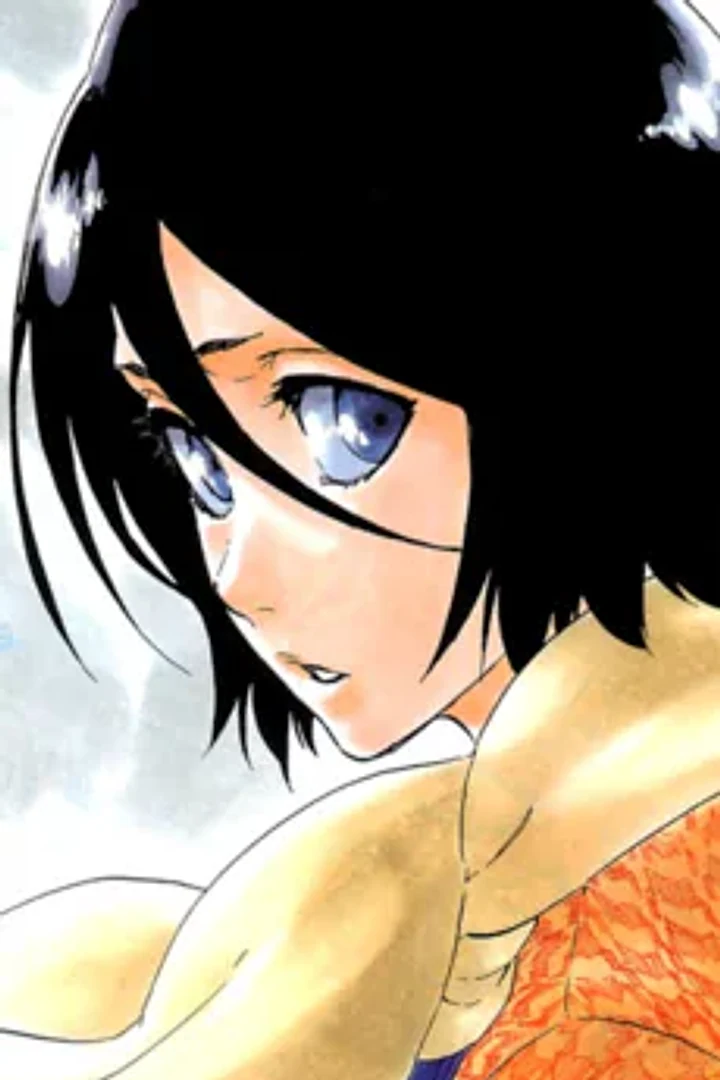
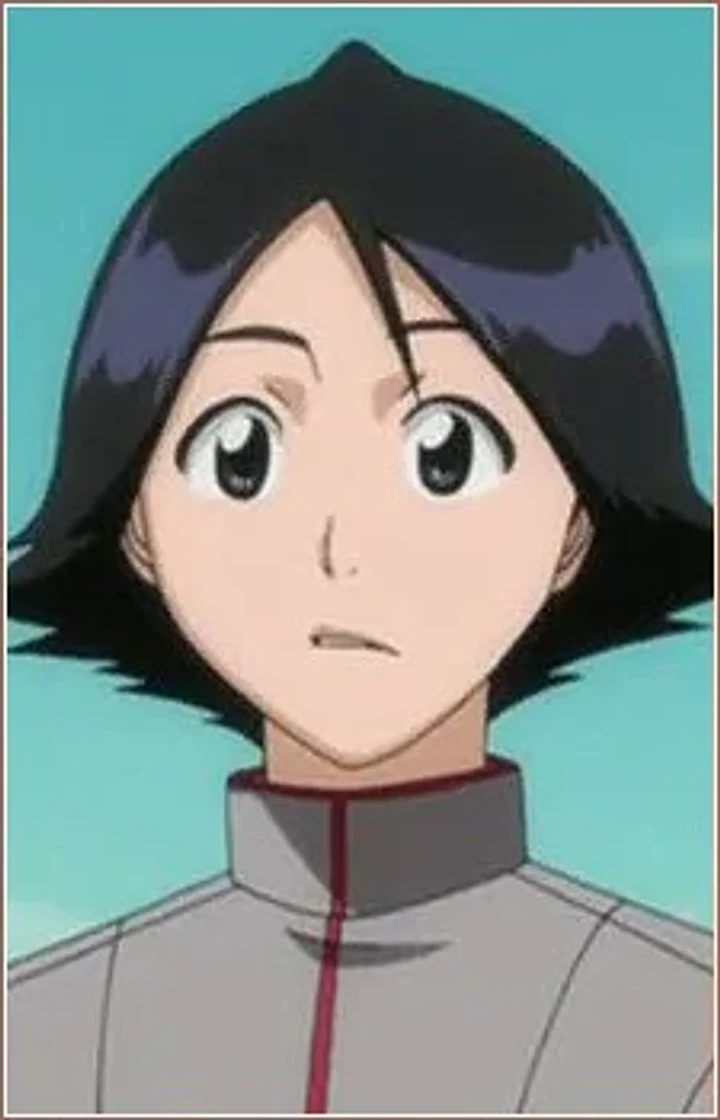
- Tatsuki Arisawa is Orihime's closest school friend and defender, giving her ordinary life an attachment independent of supernatural conflict.
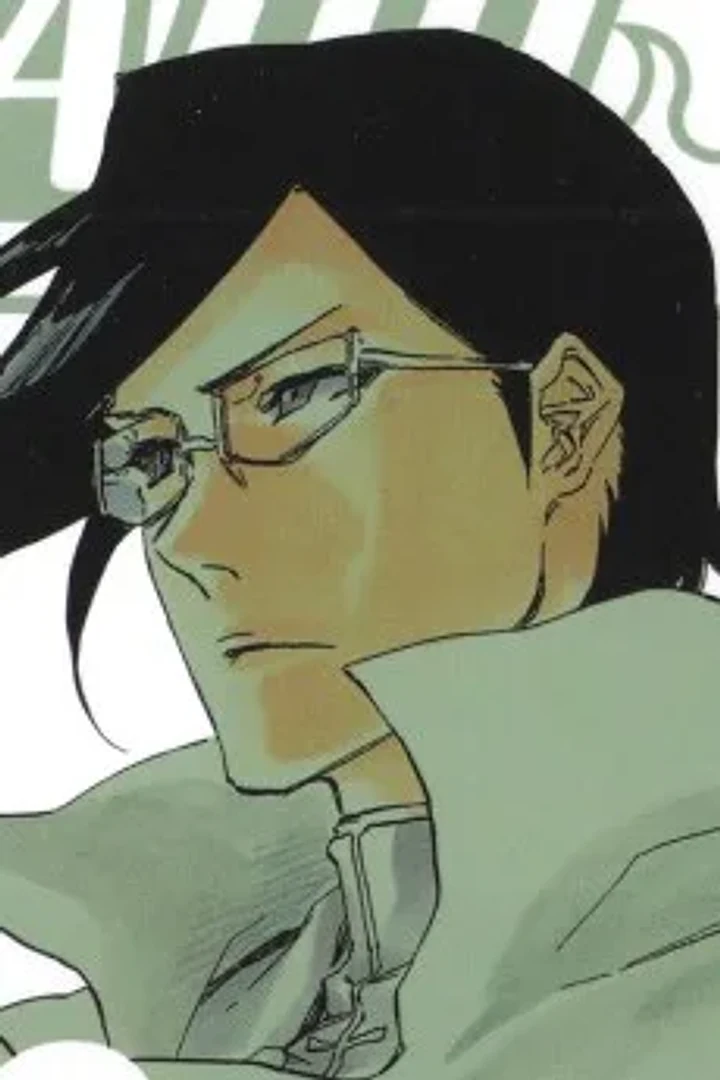
- Uryu Ishida becomes a dependable teammate whose restraint and observation complement Orihime during missions away from Karakura Town.
Story progression
Defining moments
- Facing the Hollow formed from her brother's soul turns grief into an act of recognition and forgiveness rather than revenge.
- Entering Soul Society to help rescue Rukia shows Orihime choosing supernatural danger before she considers herself a fighter.
- Standing between an attack and her companions demonstrates that defence is an active confrontation, not a lesser alternative to striking back.
Visual language
Symbolism and visual design
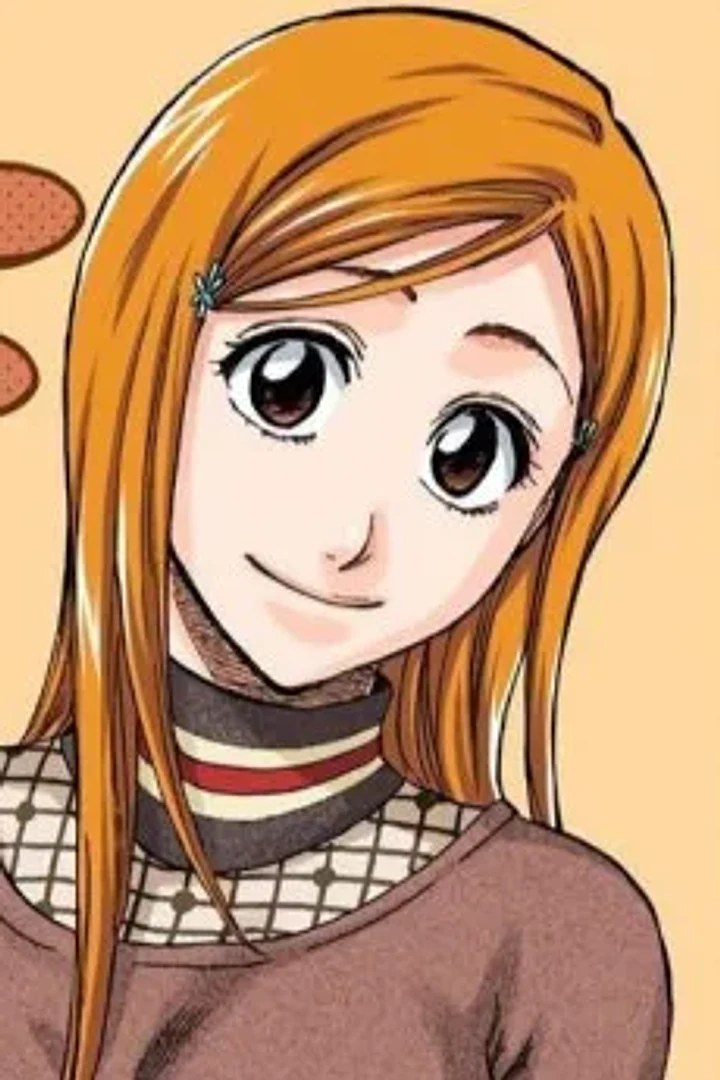
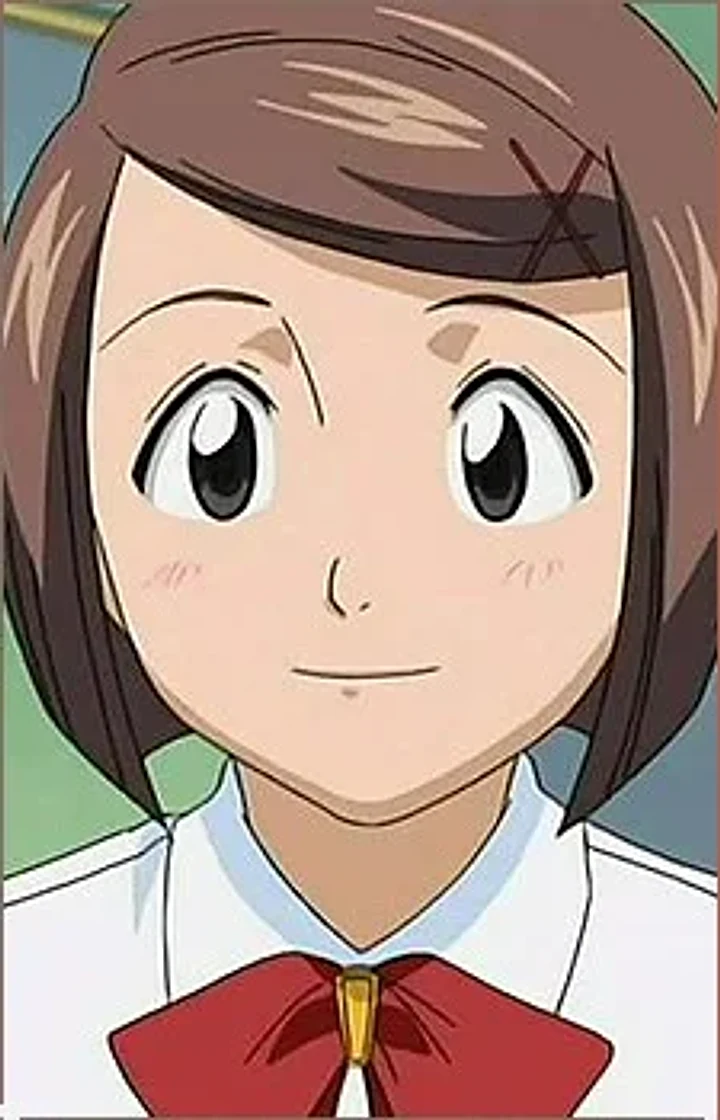
The flower-shaped hairpins from Sora preserve sibling love while becoming the focus of Orihime's independent power.
Six small spirits divide healing, defence and attack into relationships, making cooperation part of every technique.
Her warm school-life palette contrasts with Soul Reaper black and Quincy white, keeping ordinary human care visible inside spiritual war.
Adaptation notes
Manga versus anime
The manga gives Orihime substantial internal narration and school-life development. The 2004 anime compresses or redistributes some early scenes while adding filler arcs and team interactions beyond the manga.
Bleach: Thousand-Year Blood War adapts her later role with updated production and closer involvement from Tite Kubo. Ending and relationship outcomes remain reserved for spoiler-marked coverage. Yuki Matsuoka voices Orihime in Japanese.
Spoiler section
Ending and current status
The main profile avoids end-of-series outcomes and late identity or relationship reveals.
Ending and current-status coverage will only appear inside a dedicated, clearly labelled spoiler section.