Performance
Voice actors and performance
- Daisuke Kishio - Japanese
Performance credits are listed by release language and checked against the cited release sources.
Complete character analysis
Story, powers and development
Story spoilers ahead
The spoiler-safe introduction appears above. The sections below connect personality and abilities to relationships, defining moments, adaptation choices and current status.
Character study
Personality and motivation
- Arrogant
- Taunting
- Proud of rapid promotion
- Cruel toward restrained opponents
- Careless about political insecurity
Power system
Abilities, powers and limitations
Abilities
- Using Sonido, Hierro, Cero and the spiritual pressure associated with an Espada-level Arrancar
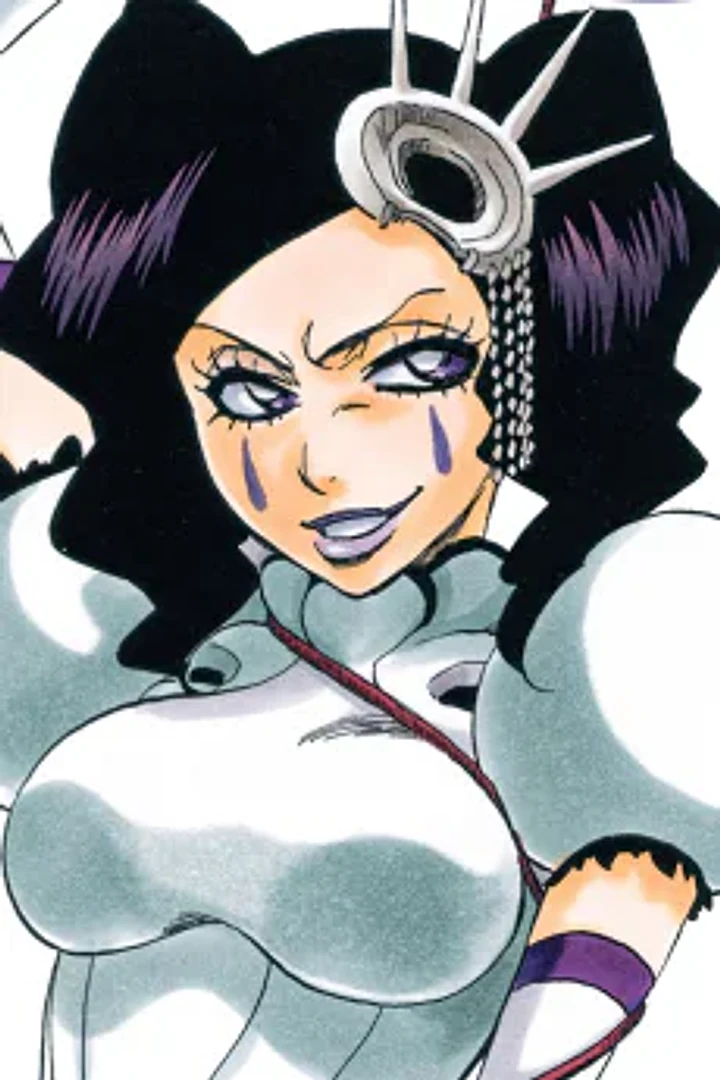
- Releasing Trepadora to form eight long, flexible tentacles from a carapace around the upper body
- Binding and crushing multiple opponents simultaneously while attacking across a wide radius
- Extending spikes from the tentacles to convert restraint into a piercing attack
- Using each limb independently to defend, redirect force or maintain control over a crowded battlefield
- Returning through Mayuri's preservation and modification as a member of the Kurotsuchi Corpse Unit
Limits
- Trepadora controls horizontal space but leaves Luppi vulnerable to an environmental technique assembled beyond the tentacles' immediate reach.
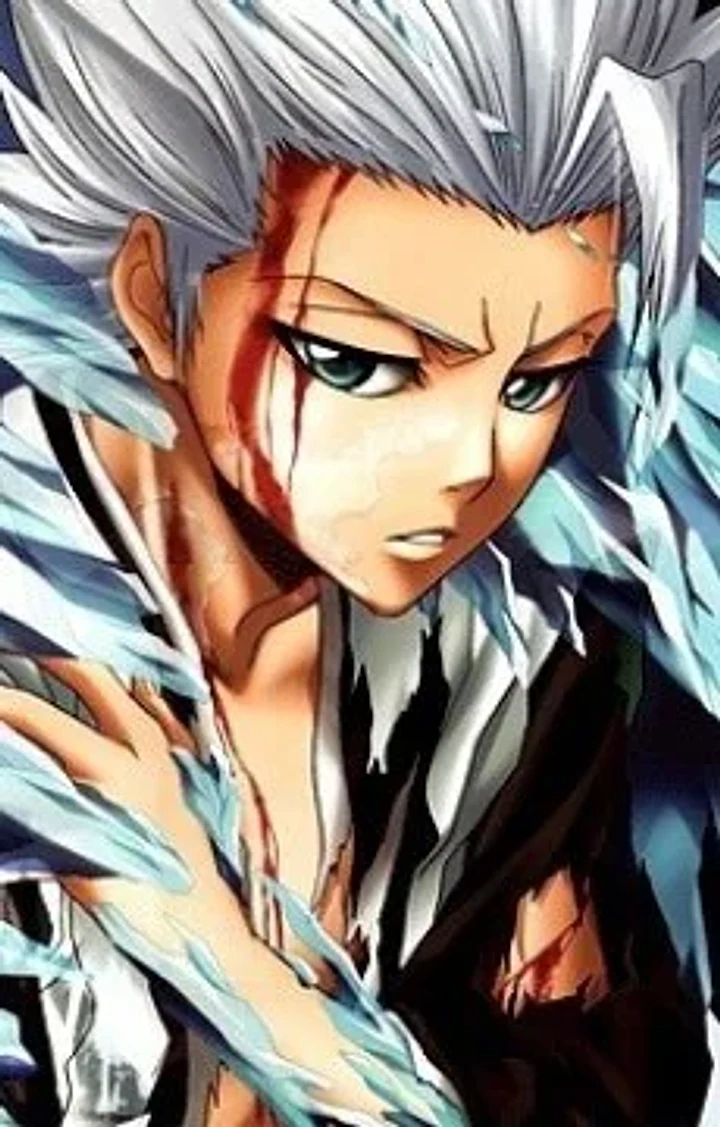
- Hitsugaya's Thousand-Year Ice Prison traps the entire released body rather than trying to cut through each limb separately.
- Luppi mistakes a temporary administrative promotion for lasting protection inside an organization governed by Aizen's convenience.
- Grimmjow's restored arm and rank end the rivalry before Luppi can prepare for a direct execution.
- Revival returns combat function while placing Luppi's body and deployment under Mayuri's control.
Character connections
Important relationships
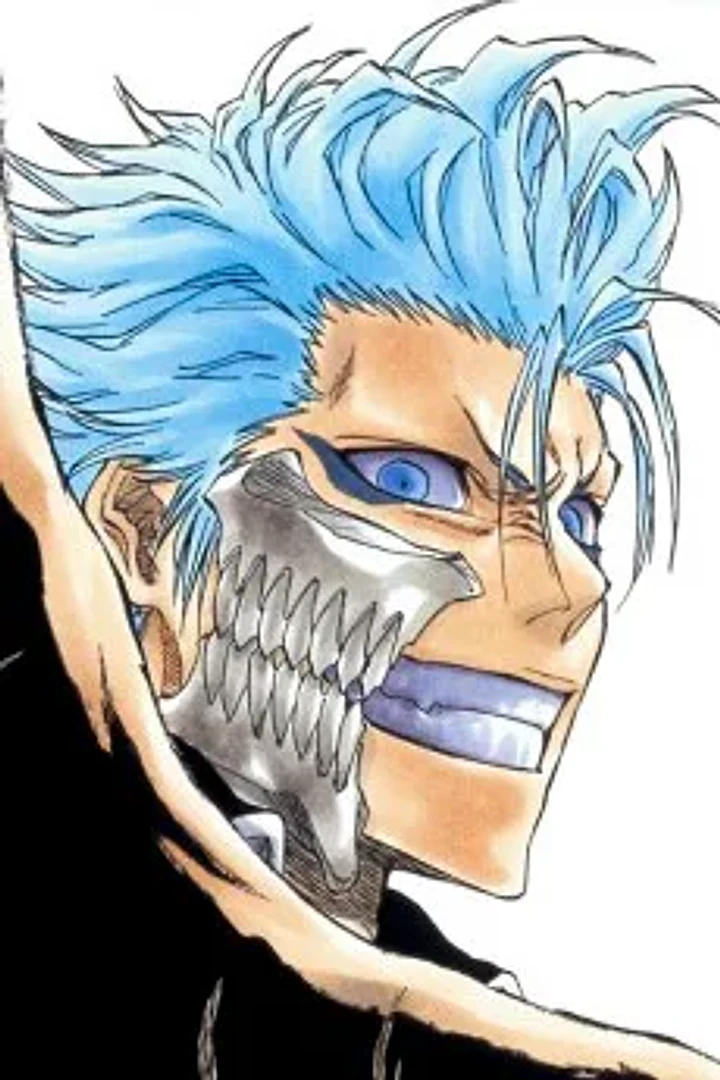
- Grimmjow Jaegerjaquez sees Luppi as the replacement occupying his number and kills him as soon as Orihime restores the arm and tattoo that Aizen had removed.
- Toshiro Hitsugaya survives Trepadora's pressure and uses the available moisture to imprison Luppi in a massive formation of ice.
- Rangiku Matsumoto, Ikkaku Madarame, Yumichika Ayasegawa and Shuhei Hisagi are caught in Luppi's multi-target assault during the Karakura diversion.
- Orihime Inoue never chooses the rivalry, but her restoration power makes Grimmjow whole and instantly changes Luppi's status from Espada to disposable obstacle.
- Sosuke Aizen promotes Luppi and then permits the restored Grimmjow to resume the number, showing that rank serves Aizen's current design rather than the holder.
- Mayuri Kurotsuchi recovers Luppi's remains and deploys him beside Dordoni, Cirucci and Charlotte in the Corpse Unit.
Story progression
Defining moments
- Appearing with Grimmjow's former number turns a bodily punishment into an immediate contest over identity and replaceability.
- Releasing Trepadora against the advance team demonstrates why Luppi can occupy an Espada seat despite the promotion's political fragility.
- Binding several Soul Reapers at once lets the apparent side battle fulfil its real purpose by keeping Karakura's defenders occupied.
- Surviving the ice prison long enough to be extracted prevents Hitsugaya's victory from changing the outcome of Orihime's abduction.
- Watching Orihime restore Grimmjow reveals that the condition supporting Luppi's entire promotion has vanished.
- Being killed by Grimmjow and later revived by Mayuri reduces two claims to elite status into a body another authority can reuse.
Visual language
Symbolism and visual design
The number 6 moves from one body to another, making rank look less like identity than a label Aizen can remove and reassign.
Trepadora's many arms express possessive control, but the fighter at their center has almost no control over his own institutional position.
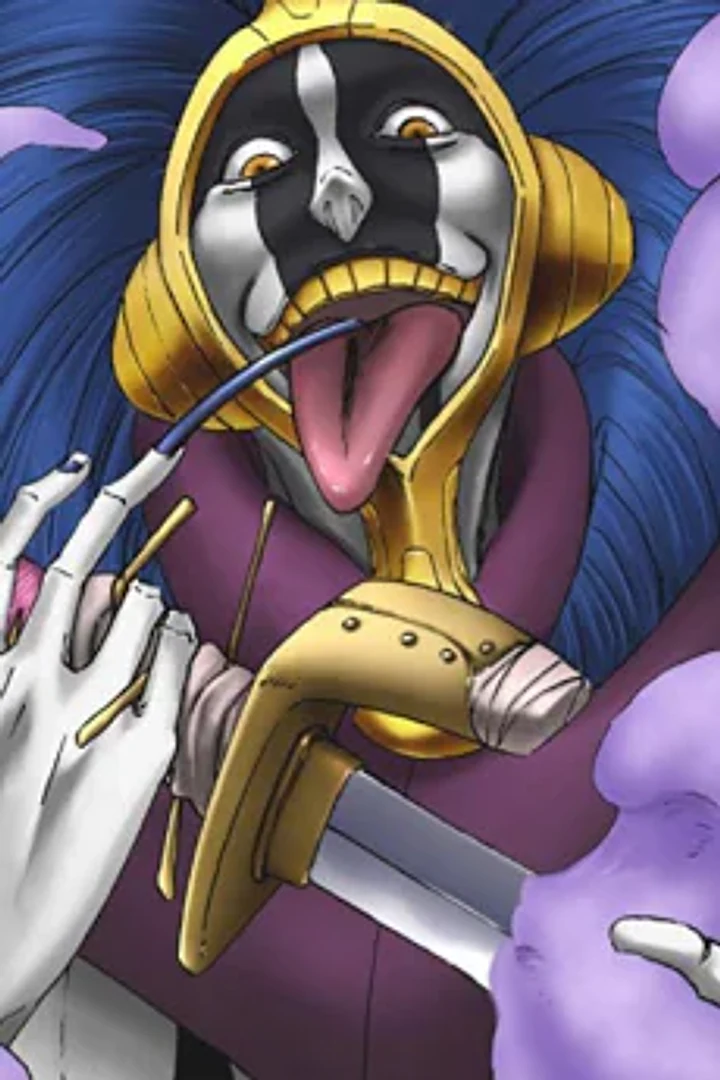
A small, ornate silhouette unfolding into a broad predatory form contrasts Luppi's appearance with the scale of his battlefield reach.
Grimmjow's restored tattoo functions like a verdict: one visible number returns, and the replacement becomes excess.
Adaptation notes
Manga versus anime
The manga presents the Karakura battle as a diversion whose tactical success belongs to Ulquiorra's abduction plan, not to whether Luppi defeats every opponent. Grimmjow's execution then closes the temporary-number storyline abruptly.
The original anime expands Trepadora's individual limb attacks and the advance team's attempts to escape them. Thousand-Year Blood War restores Daisuke Kishio's Japanese performance when Mayuri reveals Luppi as part of the Corpse Unit.
Spoiler section
Ending and current status
The main profile avoids end-of-series outcomes and late identity or relationship reveals.
Ending and current-status coverage will only appear inside a dedicated, clearly labelled spoiler section.