Performance
Voice actors and performance
- Fumihiko Tachiki - Japanese
Performance credits are listed by release language and checked against the cited release sources.
Complete character analysis
Story, powers and development
Story spoilers ahead
The spoiler-safe introduction appears above. The sections below connect personality and abilities to relationships, defining moments, adaptation choices and current status.
Character study
Personality and motivation
- Fearless
- Direct
- Battle-obsessed
- Unexpectedly tolerant of individuality
Power system
Abilities, powers and limitations
Abilities
- Overwhelming spiritual pressure, physical strength and durability
- Instinctive swordsmanship refined through countless life-or-death fights
- Adapting rapidly after experiencing an opponent's rhythm and power
- Removing his energy-consuming eyepatch when a battle demands his unsuppressed strength
Limits
- Kenpachi often gives an opponent opportunities to recover because a longer fight matters more to him than an efficient victory.
- For much of the story, relying on instinct keeps him from understanding or cooperating with his Zanpakuto.
- His preference for direct confrontation offers few answers to deception, specialised rules or threats that cannot be cut safely.
Character connections
Important relationships
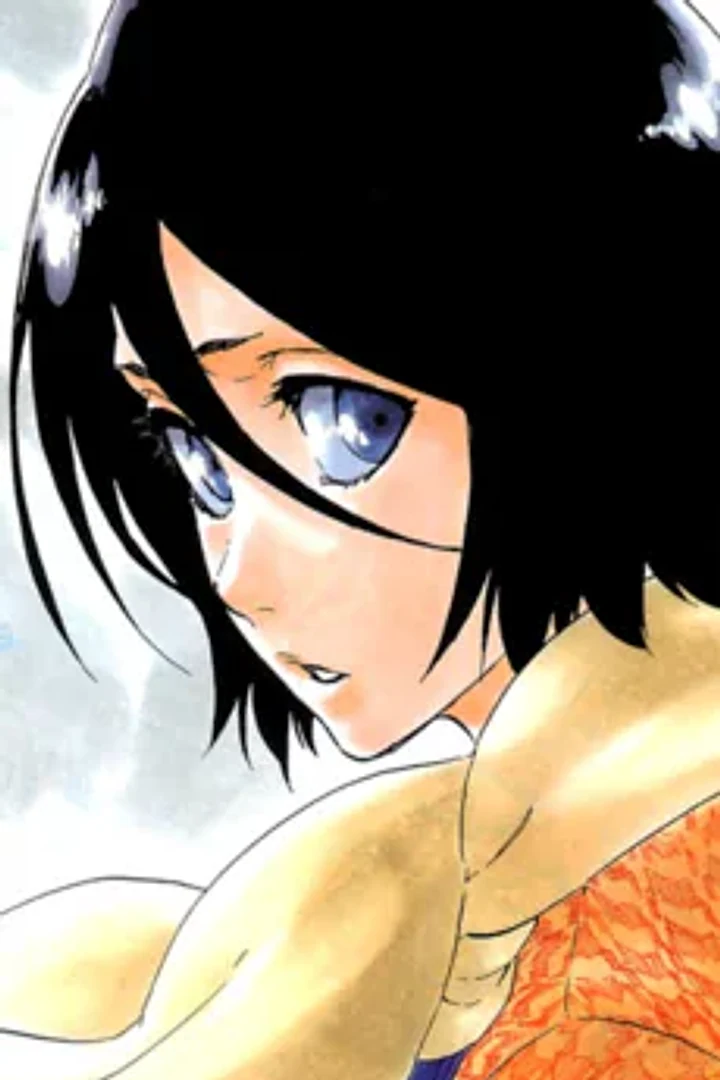
- Yachiru Kusajishi is Kenpachi's constant companion and lieutenant, bringing playfulness and companionship into a life otherwise organised around battle.
- Ichigo Kurosaki becomes a treasured rival because their first duel gives Kenpachi the uncertainty and excitement he seeks.
- Retsu Unohana shares a formative history with Kenpachi and understands the limits he placed on himself more clearly than he does.
Story progression
Defining moments
- Hunting Ichigo through the Seireitei introduces a captain whose spiritual pressure feels dangerous before he even swings his sword.
- Removing his eyepatch reveals that apparent recklessness includes a deliberate system for weakening himself.
- Hearing his Zanpakuto after a rare defeat opens the possibility that greater strength requires relationship rather than isolation.
Visual language
Symbolism and visual design
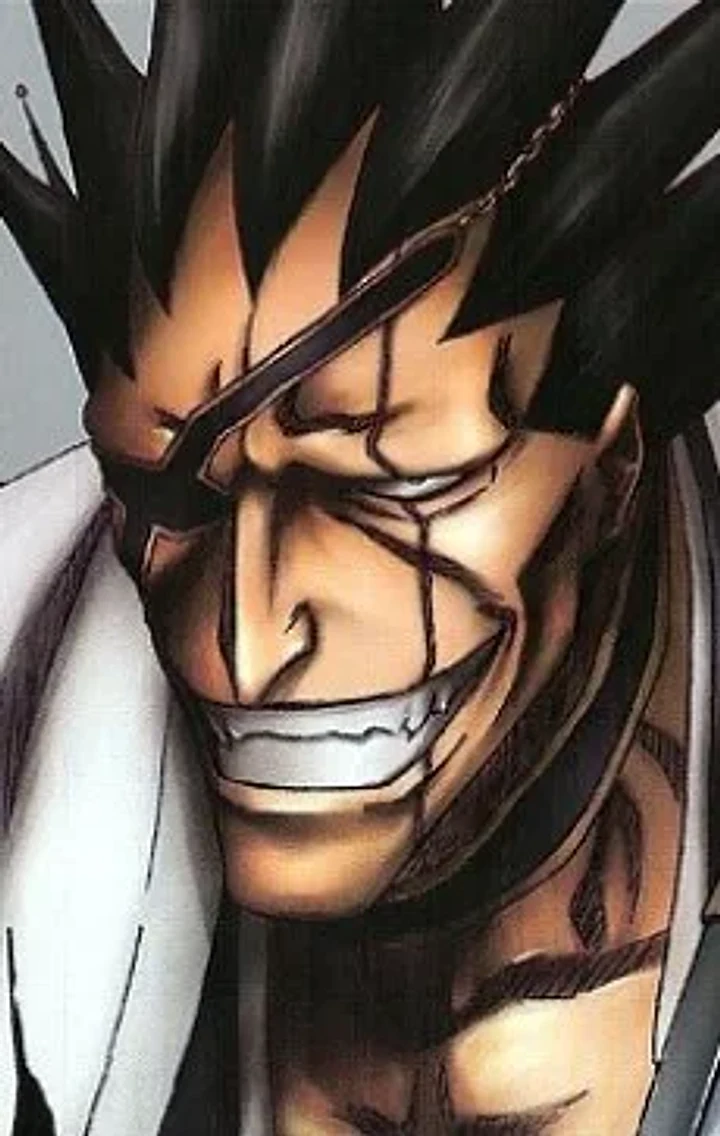
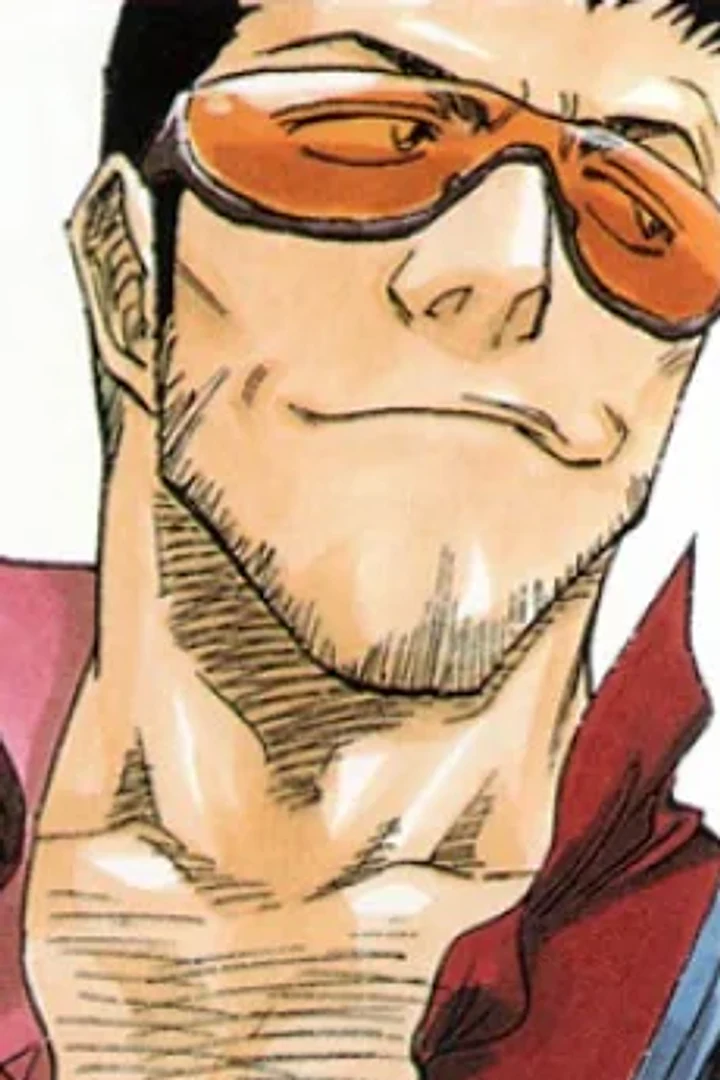
The eyepatch turns self-restraint into a visible object and makes Kenpachi's search for equality part of his silhouette.
Bells in his hair give enemies information about his position, converting battle itself into a handicap he willingly offers.
His damaged sword mirrors a fighter who values use and experience over polish, while its neglected name marks an incomplete bond.
Adaptation notes
Manga versus anime
The manga establishes Kenpachi through abrupt battles and carefully delayed revelations. The 2004 anime extends several clashes and gives Squad 11 additional appearances in anime-original arcs.
Bleach: Thousand-Year Blood War reveals crucial history and later stages of Kenpachi's relationship with his sword. Those identities, techniques and outcomes are left to spoiler-marked coverage. Fumihiko Tachiki voices Kenpachi in Japanese.
Spoiler section
Ending and current status
The main profile avoids end-of-series outcomes and late identity or relationship reveals.
Ending and current-status coverage will only appear inside a dedicated, clearly labelled spoiler section.