Performance
Voice actors and performance
- Soichiro Hoshi - Japanese
Performance credits are listed by release language and checked against the cited release sources.
Complete character analysis
Story, powers and development
Story spoilers ahead
The spoiler-safe introduction appears above. The sections below connect personality and abilities to relationships, defining moments, adaptation choices and current status.
Character study
Personality and motivation
- Vacant in manner
- Confident in automatic protection
- Taunting
- Slow to recognize concealed technique
Power system
Abilities, powers and limitations
Abilities
- Using the Schrift W, The Wind, to bend hostile attacks away from himself or the person he is protecting
- Reacting to perceived enemies without needing to face each incoming weapon directly
- Twisting bodies and cutting opponents by redirecting their physical path with a gesture
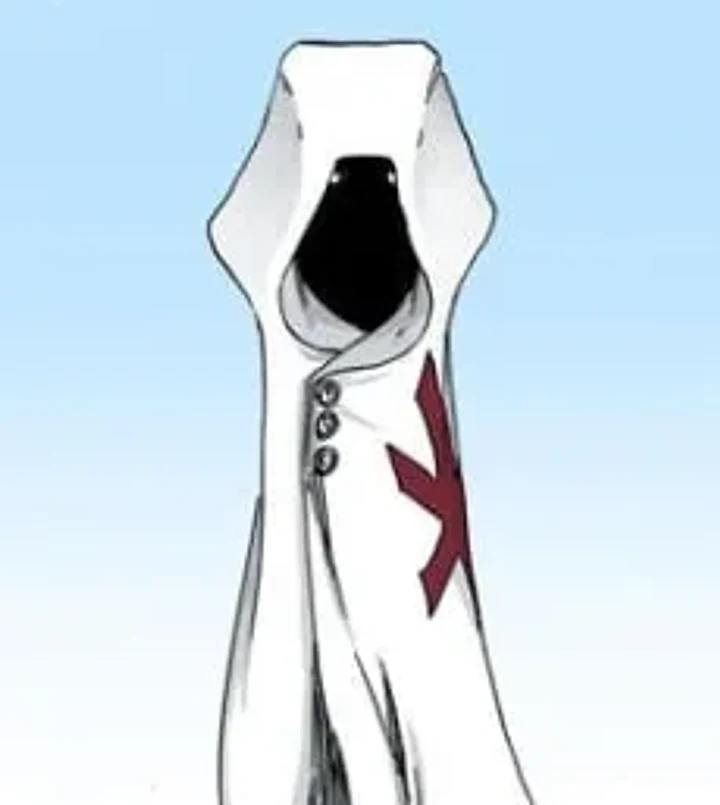
- Concealing himself within Yhwach's shadow until his defensive ability is required
- Using standard Quincy spiritual perception and reishi control in the high-density Royal Palace
Limits
- The Wind only answers danger Nianzol notices or recognizes, leaving a completed attack outside his awareness able to bypass it.
- Redirection protects against an incoming path but does not grant exceptional durability once an attack has already been placed against his body.
- Confidence in the automatic defense gives Senjumaru time to modify his coat without him understanding the sewing itself as the threat.
- No Quincy: Vollstandig or broader transformation is revealed for Nianzol in the published battle.
Character connections
Important relationships
- Yhwach carries Nianzol through the Royal Palace approach and relies on The Wind to prevent the Soul King's Blades from touching him.
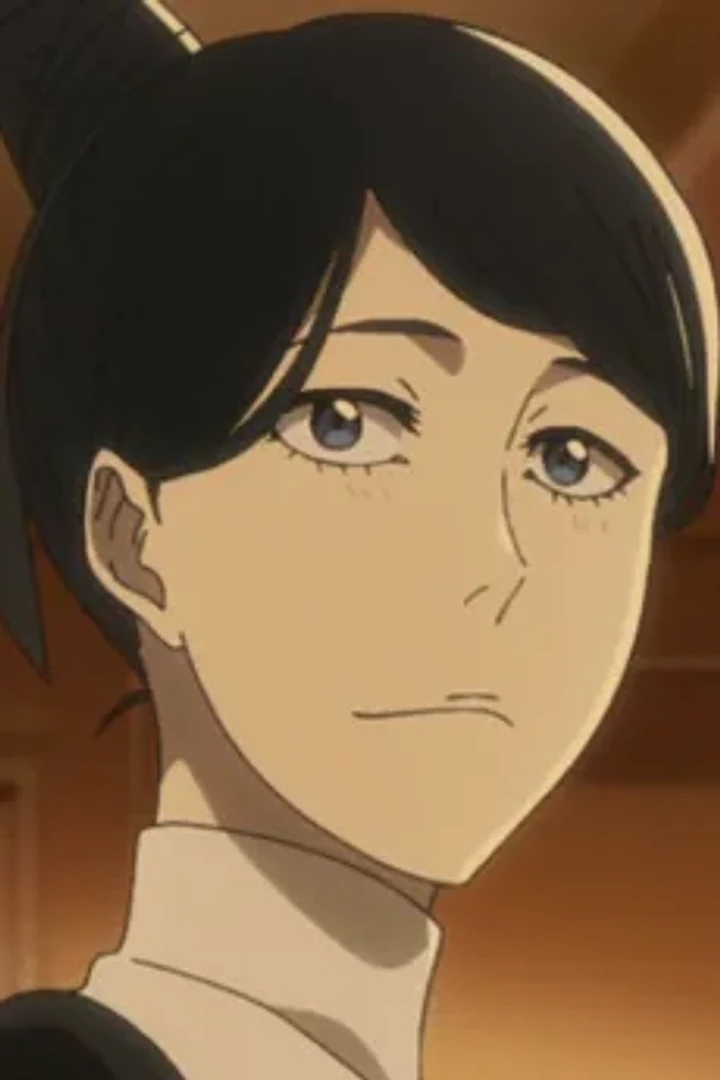
- Senjumaru Shutara identifies the perception condition behind The Wind and turns Nianzol's own coat into the instrument of his defeat.
- The Soul King's Blades are cut down when their direct attacks bend away, establishing why ordinary guards cannot clear the route to Yhwach.
- Jugram Haschwalth and Uryu Ishida witness Nianzol's emergence as part of the small group advancing with the Quincy King.
Story progression
Defining moments
- Revealing himself from Yhwach's shadow explains why every weapon aimed at the Quincy King has curved aside.
- Redirecting the Royal Palace guards' bodies demonstrates that The Wind can turn defense into a lethal distortion of an opponent's path.
- Failing to notice Senjumaru tailoring his uniform establishes the precise difference between an incoming attack and a trap already completed.
- Being pierced from inside the altered coat ends the protection without requiring Squad Zero to overpower the redirection field.
Visual language
Symbolism and visual design
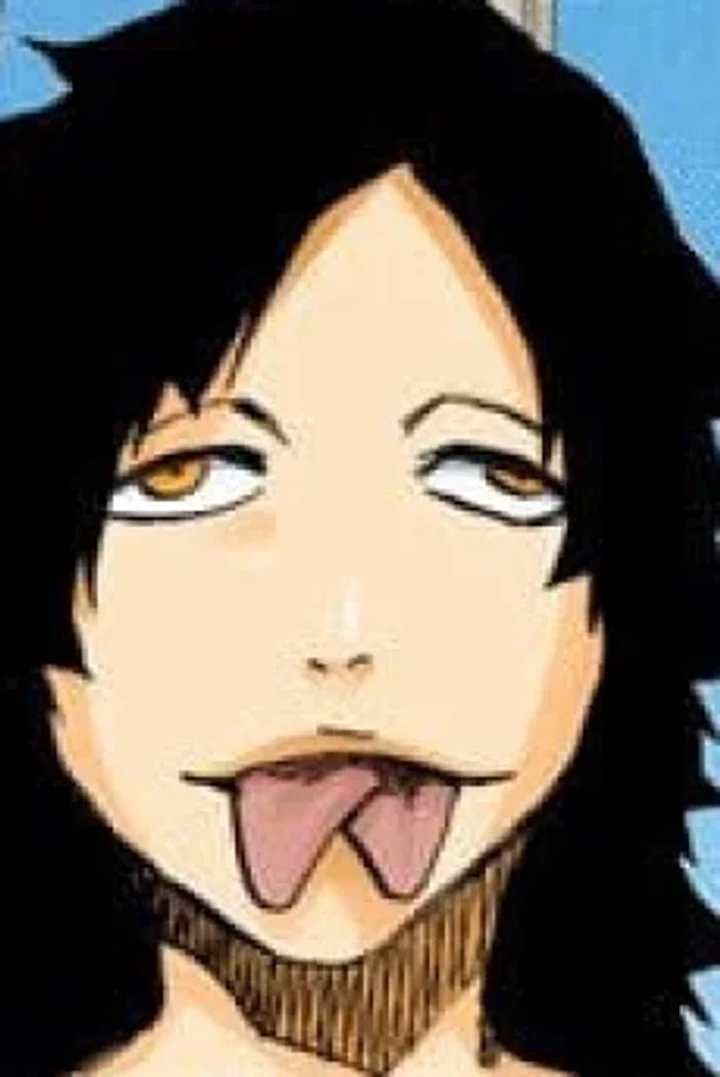
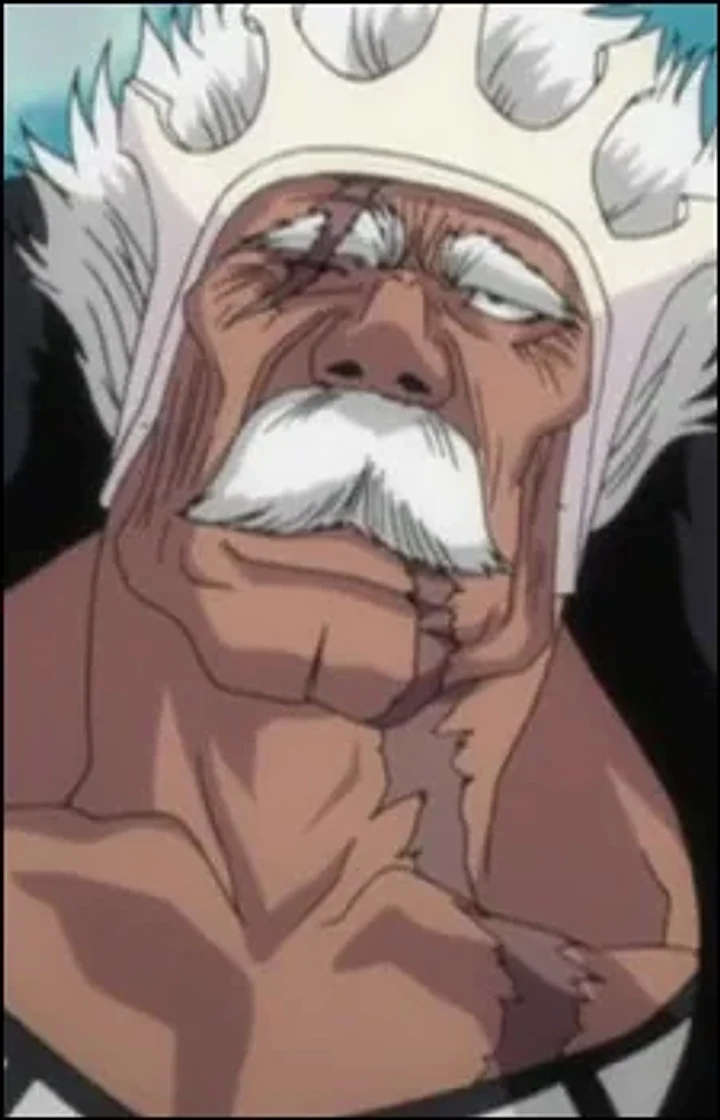
Two tongues make divided speech part of Nianzol's face, echoing a power that sends a single path in opposing directions.
The Wind names an invisible change of course rather than a visible projectile, matching a defense understood mainly through what fails to arrive.
Hiding in Yhwach's shadow gives the king's apparent invulnerability a concealed human mechanism until Squad Zero forces it into view.
Adaptation notes
Manga versus anime
The manga resolves Nianzol's ability through a compact contest between perception and Senjumaru's speed. The Wind bends recognized hostility, while the altered garment works because Nianzol notices the threat only after the sewing is complete.
Thousand-Year Blood War gives the Royal Palace confrontation more movement and clearly stages Nianzol emerging from the shadows to protect Yhwach. Soichiro Hoshi's Japanese performance incorporates the character's unusual two-tongued speech without making the ability itself less understandable.
Spoiler section
Ending and current status
The main profile avoids end-of-series outcomes and late identity or relationship reveals.
Ending and current-status coverage will only appear inside a dedicated, clearly labelled spoiler section.