Performance
Voice actors and performance
Performance credits are listed by release language and checked against the cited release sources.
Complete character analysis
Story, powers and development
Story spoilers ahead
The spoiler-safe introduction appears above. The sections below connect personality and abilities to relationships, defining moments, adaptation choices and current status.
Character study
Personality and motivation
- Cultivated
- Theatrical
- Perceptive
- Overconfident when explaining his art
Abilities, powers and limitations
How do Rose's musical Zanpakuto and Bankai work?
Abilities
- Releasing Kinshara into a long golden whip with a flower-shaped tip for flexible mid-range attacks
- Conducting sound through the whip to create techniques such as explosive musical notes
- Using Bankai, Kinshara Butodan, to summon masked dancers whose music makes an opponent experience destructive theatrical illusions as reality
- Using a Hollow mask to raise his spiritual power and add Visored techniques to captain-level swordsmanship
Limits
- Kinshara Butodan works through hearing and the target's heart accepting the musical illusion, so destroying the ability to hear can break its effect.
- Rose's decision to explain the Bankai's mechanism gives an adaptable opponent information that should remain concealed.
- His Shikai's whip form needs room to create arcs and rhythm, making cramped close combat less suited to its full range.
Character connections
Important relationships
- Izuru Kira serves as Rose's lieutenant after Gin's betrayal, giving Squad 3 a captain whose expressive openness contrasts with its former secrecy.
- Shinji Hirako and the other Visored share Rose's Hollowfication, exile and eventual decision about whether to return to Soul Society.
- Kensei Muguruma fights beside Rose during the Wandenreich invasion, pairing direct explosive punches with Rose's theatrical sound-based power.
- Sosuke Aizen removes Rose from captaincy through the Hollowfication conspiracy, shaping a century of life outside the institution he later rejoins.
Story progression
Defining moments
- Joining the investigation into Muguruma Squad 9's disappearance places Rose among the captains transformed from rescuers into Aizen's test subjects.
- Appearing with the Visored against Aizen's forces brings a former captain back to Soul Society's battlefield without erasing the exile.
- Unveiling Kinshara Butodan against Mask de Masculine reveals a Bankai based on musical belief and the fatal cost of explaining its stagecraft.
Visual language
Symbolism and visual design
Kinshara's flower-tipped whip combines conductor's baton, instrument string and thorned ornament in one weapon.
The Bankai's masked dancers turn combat into theatre, positioning Rose as composer while making the opponent an involuntary audience.
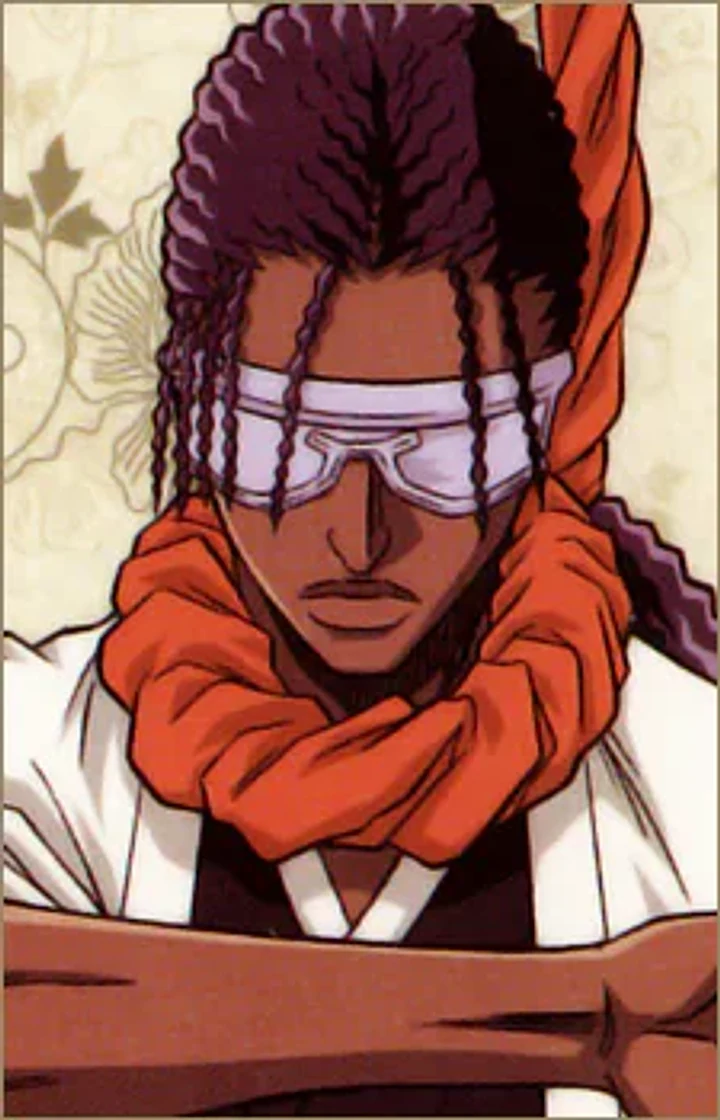
Long curled hair and aristocratic dress distinguish his cultivated presence from Squad 3's association with despair and secrecy.
Adaptation notes
Manga versus anime
The manga withholds Rose's Bankai until the Thousand-Year Blood War, where its elaborate rules and sudden counter demonstrate both his creativity and tactical vanity. Official English material uses both Otoribashi and Ohtoribashi romanizations.
The anime expands the music, stage lighting and dancer movement of Kinshara Butodan, giving its sensory mechanism much greater presence. Shouto Kashii's Japanese performance moves from calm appreciation to emphatic theatrical command.
Spoiler section
Ending and current status
The main profile avoids end-of-series outcomes and late identity or relationship reveals.
Ending and current-status coverage will only appear inside a dedicated, clearly labelled spoiler section.