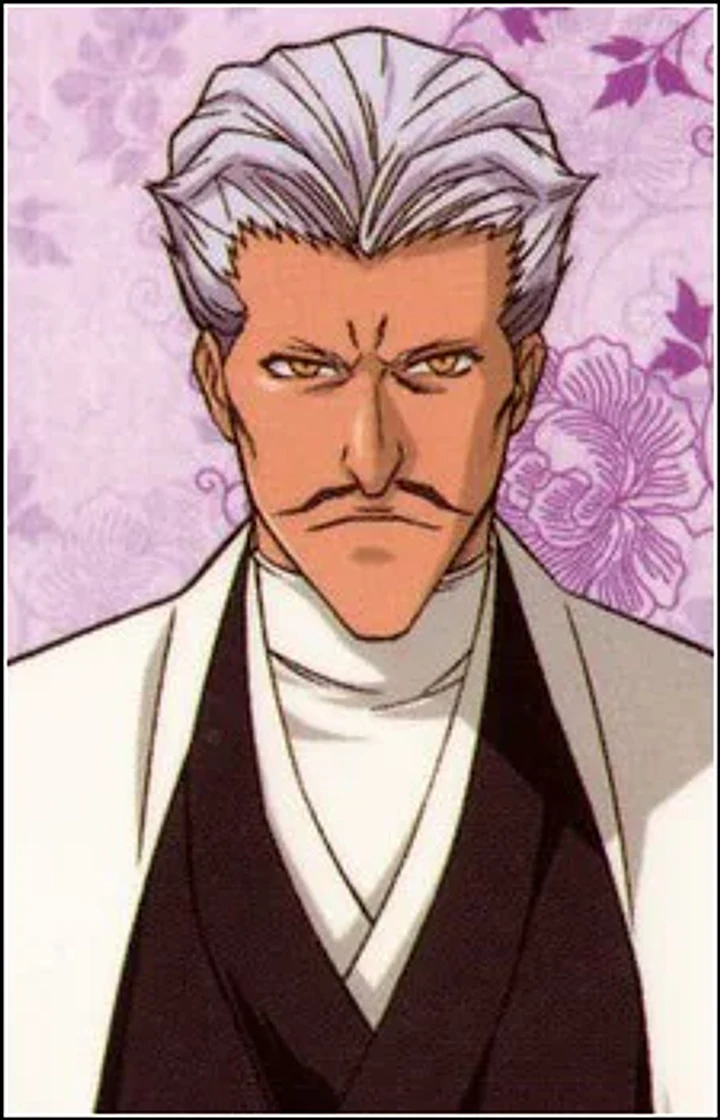
Performance
Voice actors and performance
Performance credits are listed by release language and checked against the cited release sources.
Complete character analysis
Story, powers and development
Story spoilers ahead
The spoiler-safe introduction appears above. The sections below connect personality and abilities to relationships, defining moments, adaptation choices and current status.
Character study
Personality and motivation
- Virtuous beneath a rough appearance
- Direct
- Practical
- Deeply loyal
- Protective of subordinates
Power system
Abilities, powers and limitations
Abilities
- Using well-rounded Soul Reaper fundamentals rather than depending on a single specialist discipline
- Fighting at close range with an unnamed Zanpakuto whose transformed blade has been shown but never officially explained
- Applying capable swordsmanship, physical strength and movement in lieutenant-level combat
- Using leadership and battlefield judgment to keep Squad 7 functioning during and after its captain's fall
- Enduring the pressures of the Wandenreich invasion while continuing to support wounded allies and his commanding officer
Limits
- The manga and official anime guide do not reveal Iba's Zanpakuto name, release command, ability or Bankai.
- His balanced skill set gives him versatility, but the story provides few extended battles that establish an exceptional specialty.
- Loyalty to Komamura cannot stop the captain from choosing a self-destructive path powered by revenge.
- His promotion is shown in the epilogue without a detailed account of the training and institutional decisions that led to it.
Character connections
Important relationships
- Sajin Komamura is Iba's captain and moral center; Iba accepts him without prejudice, carries him after the Humanization Technique ends and refuses to condemn the path he chose.
- Ikkaku Madarame is a former Squad 11 comrade and friendly rival who can challenge Iba's career motives because Iba understands Ikkaku's own hidden ambition.
- Chikane Iba, Tetsuzaemon's mother and a former Squad 3 lieutenant, represents the family connection to the command structure he works to enter on his own terms.
- Squad 7 depends on Iba to preserve its values after Komamura can no longer serve, turning a lieutenant's daily reliability into a captain's responsibility.
- The wider Gotei 13 recognizes Iba as part of the postwar generation of captains responsible for rebuilding Soul Society.
Story progression
Defining moments
- Sharing a drink and a fight with Ikkaku during the Soul Society conflict reveals two different compromises hidden beneath their warrior pride.
- Standing beside Komamura through the Wandenreich invasion demonstrates that Iba's loyalty applies under pressure rather than only in ordinary command.
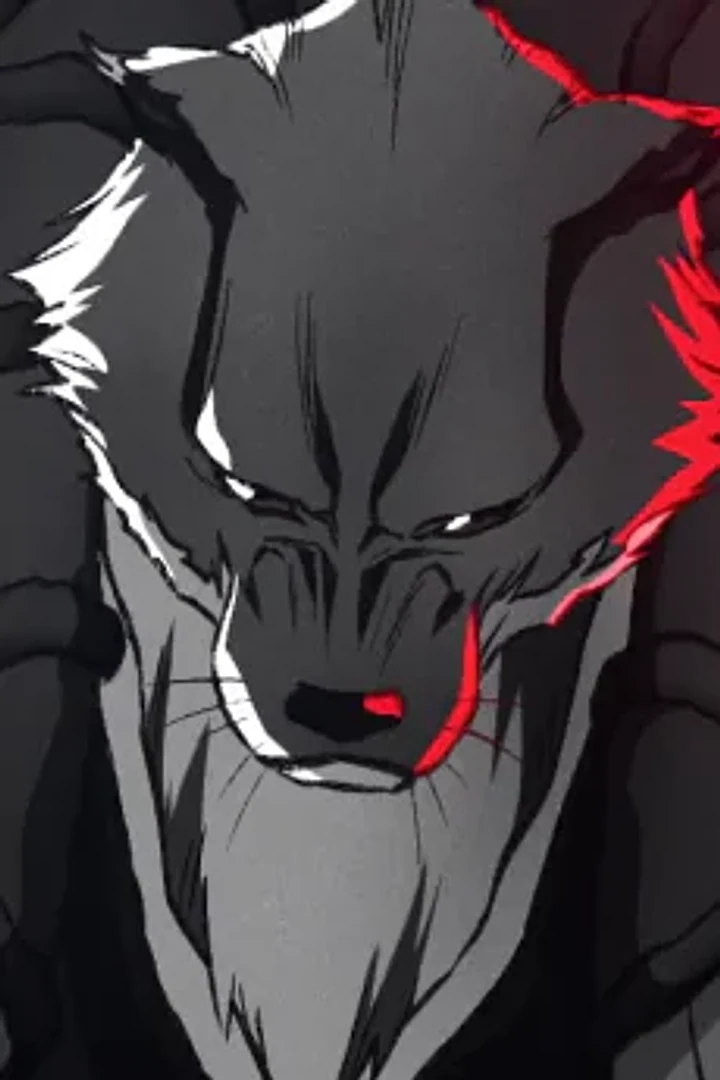
- Finding Komamura after the Humanization Technique has reduced him to a wolf forces Iba to answer loss without the comfort of restoring his captain.
- Carrying Komamura while insisting that his path was not wrong turns support into an act of compassion rather than a tactical judgment.
- Appearing as Squad 7's captain ten years after the war confirms that his long pursuit of leadership ends in service, not merely status.
Visual language
Symbolism and visual design
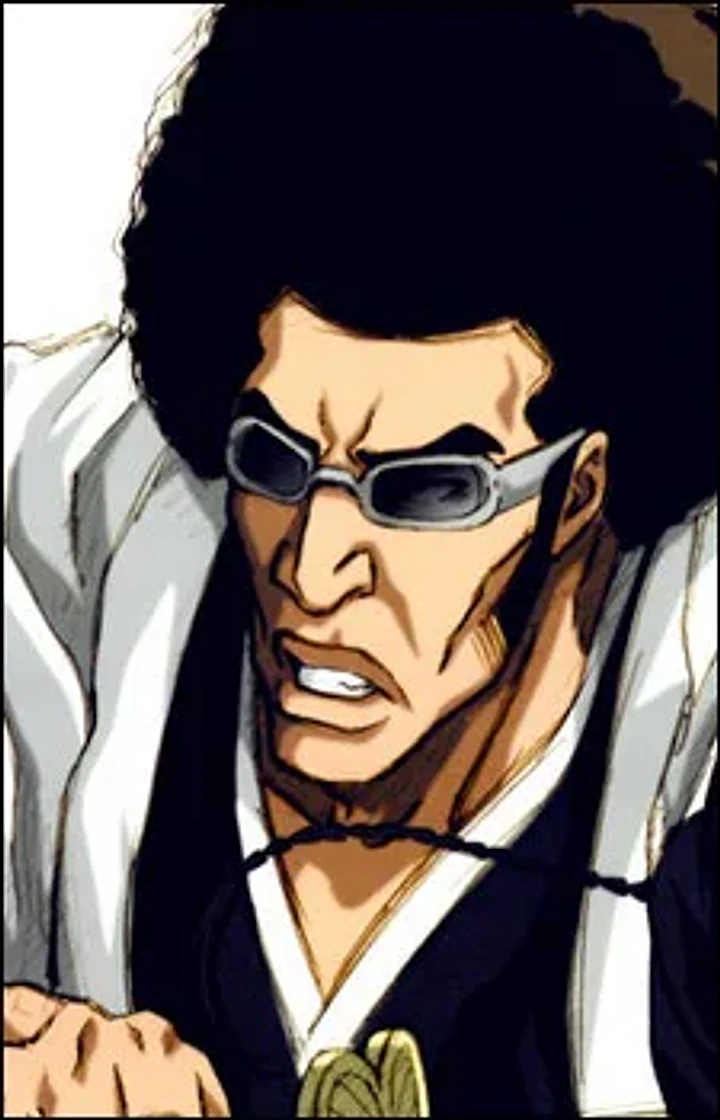
Dark sunglasses and a hard-edged dialect create a silhouette associated with intimidation, while his conduct repeatedly reveals patience and decency beneath it.
Iba's unnamed sword keeps attention on the person carrying the office rather than allowing a celebrated release to substitute for character.
His movement from Squad 11 to Squad 7 contrasts strength pursued for its own sake with strength shaped into institutional responsibility.
Carrying Komamura transforms the usual captain-lieutenant hierarchy: the subordinate literally bears the weight of the leader whose values he must continue.
Adaptation notes
Manga versus anime
The manga uses brief conversations and supporting appearances to build Iba rather than giving him a signature solo battle. The final volume confirms his postwar captaincy but does not reveal a Bankai or complete Zanpakuto profile.
The anime makes his Hiroshima dialect and rough warmth more immediate through Rintaro Nishi's Japanese performance. Thousand-Year Blood War preserves his support for Komamura while the official character guide describes him as virtuous and well rounded.
Spoiler section
Ending and current status
The main profile avoids end-of-series outcomes and late identity or relationship reveals.
Ending and current-status coverage will only appear inside a dedicated, clearly labelled spoiler section.