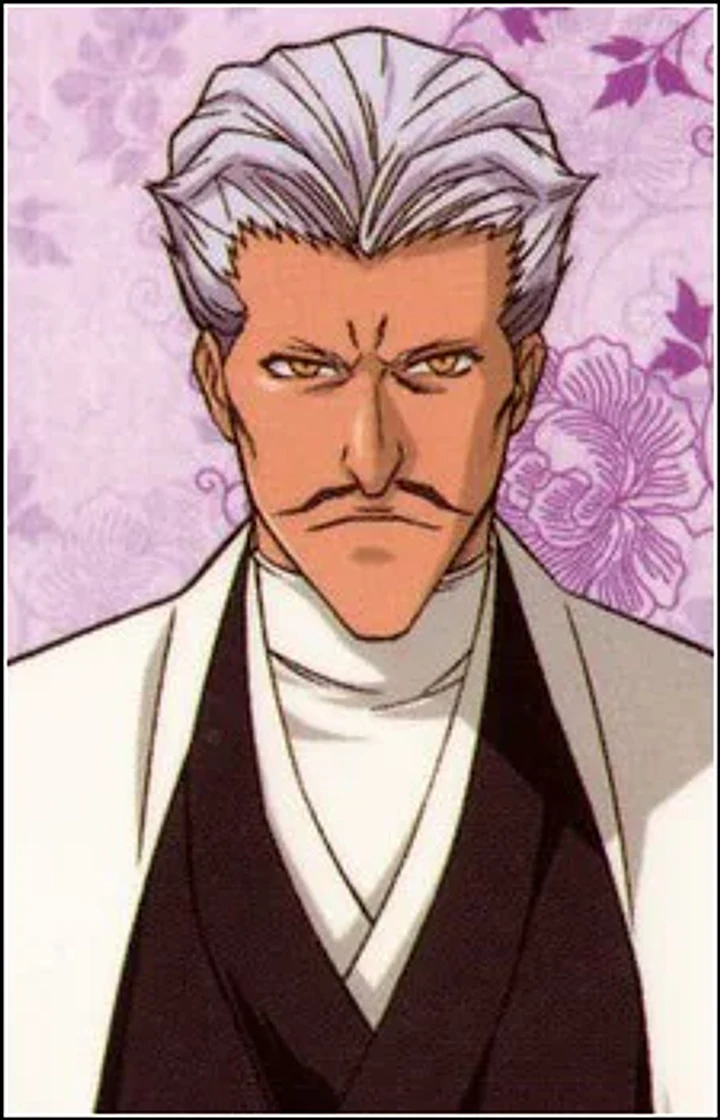
Performance
Voice actors and performance
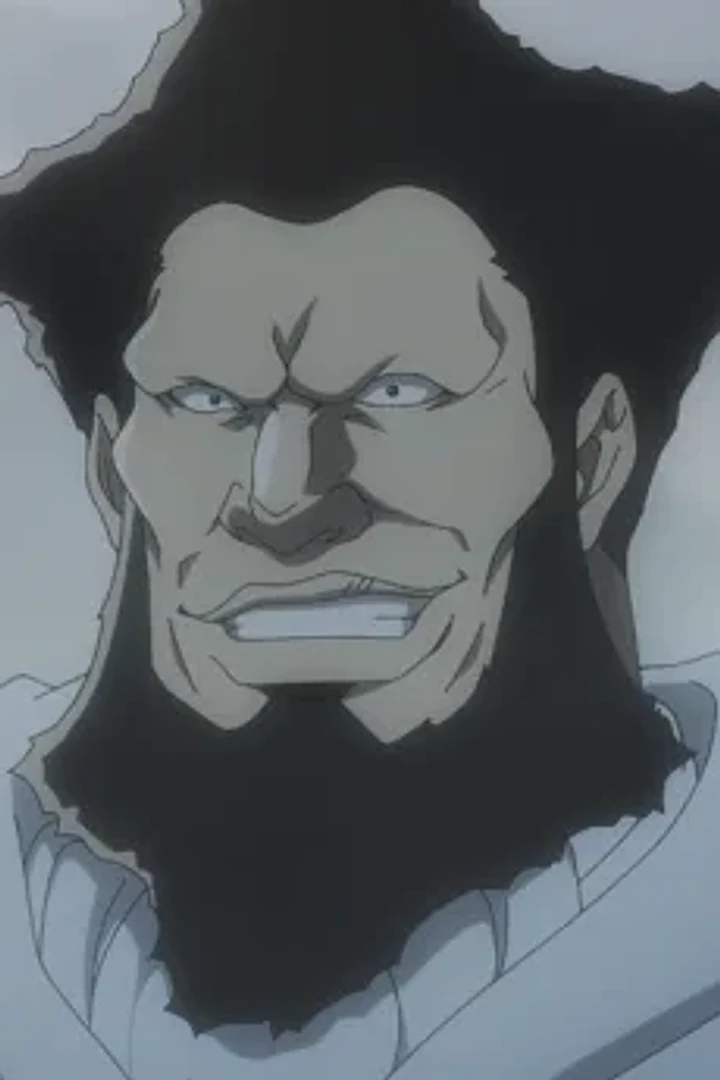
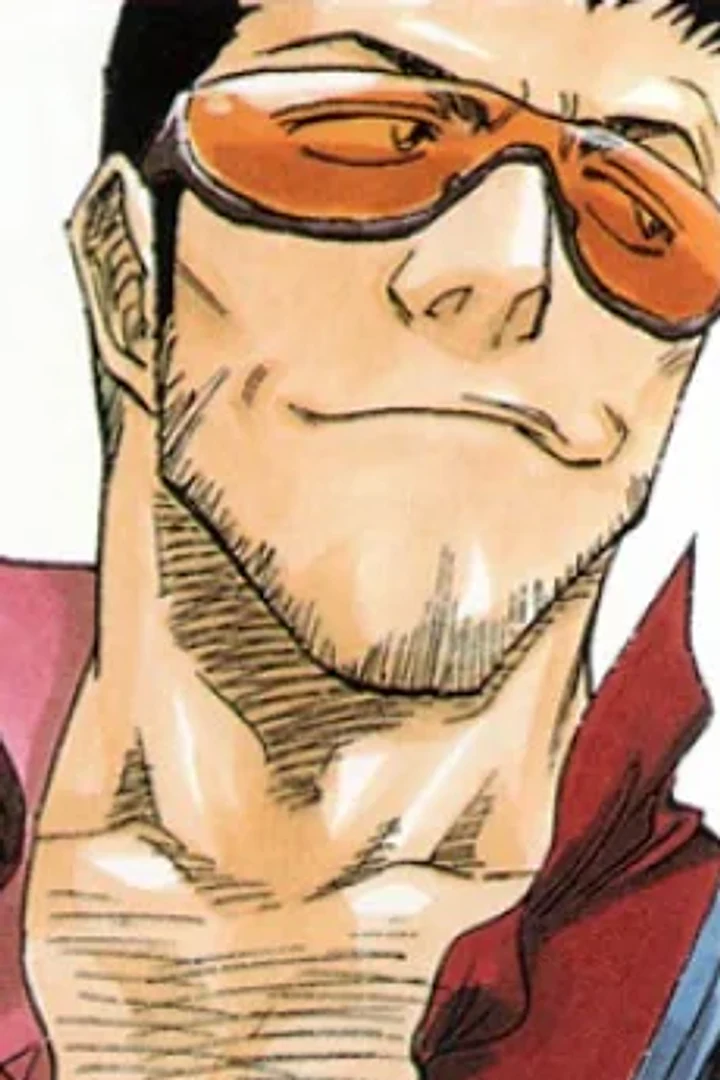
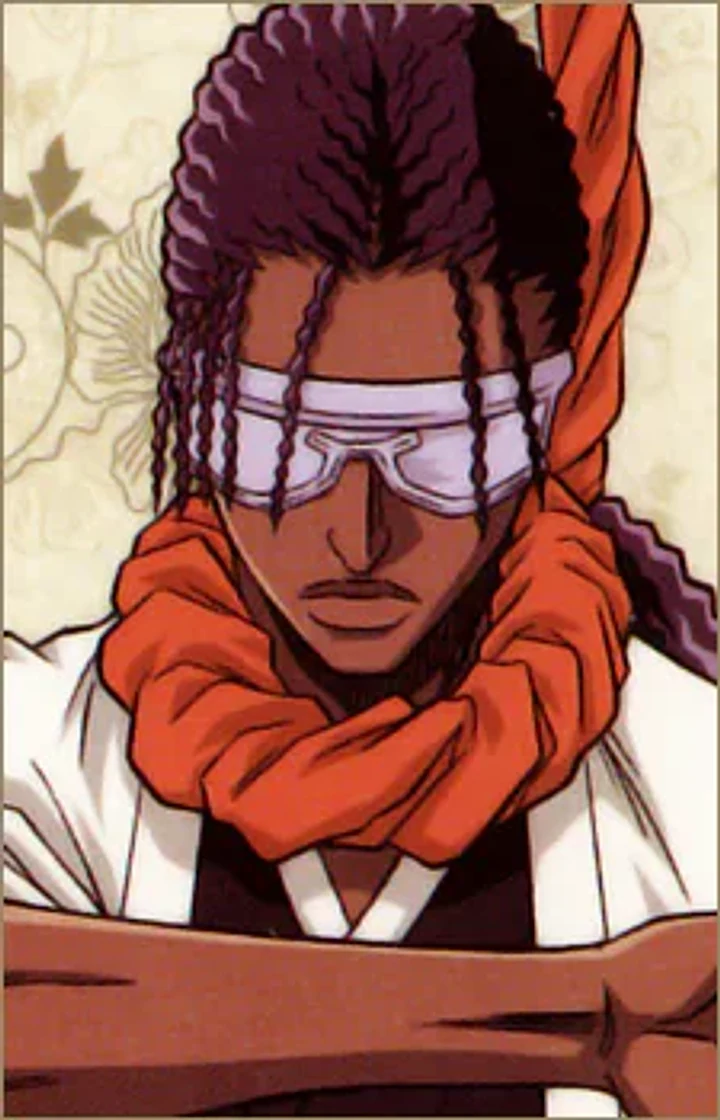
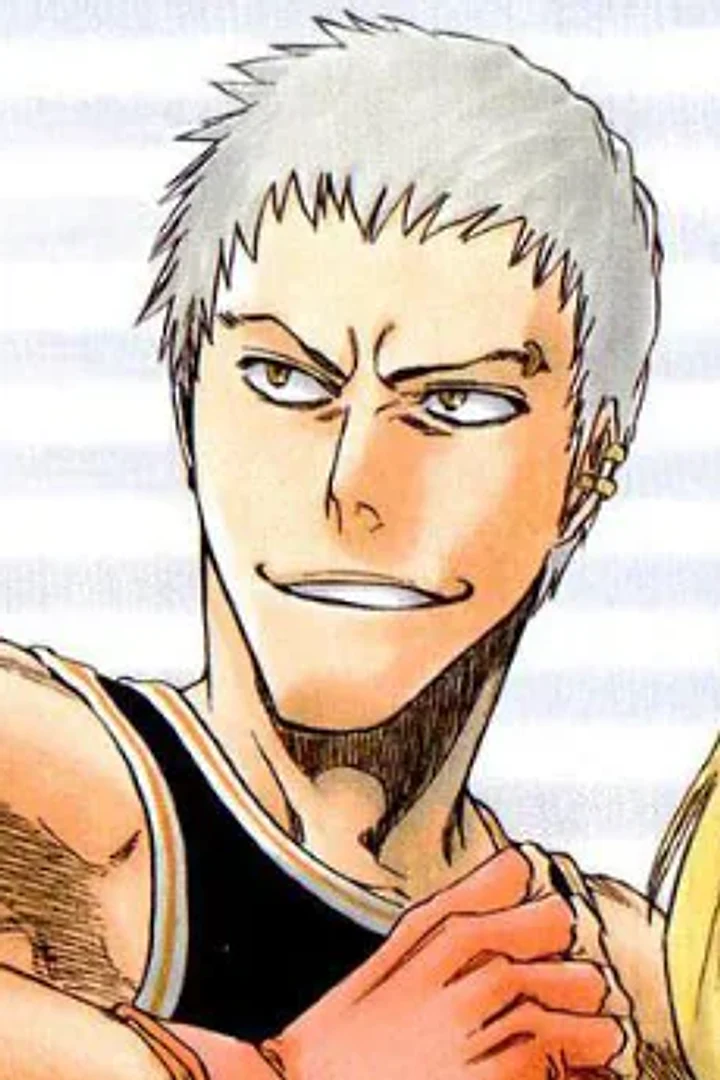
- Taro Yamaguchi - Japanese
Performance credits are listed by release language and checked against the cited release sources.
Complete character analysis
Story, powers and development
Story spoilers ahead
The spoiler-safe introduction appears above. The sections below connect personality and abilities to relationships, defining moments, adaptation choices and current status.
Character study
Personality and motivation
- Reserved
- Disciplined
- Loyal
- Uninterested in status for its own sake
Power system
Abilities, powers and limitations
Abilities
- Releasing Gonryomaru into a rapier-like weapon capable of conducting lightning
- Using the Bankai Koko Gonryo Rikyu to form a canopy of storm clouds and direct massive lightning strikes
- Applying captain-class spiritual pressure and centuries of swordsmanship in support of Squad 1
- Maintaining administrative and battlefield continuity as Yamamoto's lieutenant across the Gotei 13's history
Limits
- Chojiro's Bankai is stolen before Soul Society understands the medallions, turning a rarely displayed strength into enemy intelligence.
- His long commitment to a supporting role means the published story records very few complete battles from which to judge his full range.
- An early defeat by Ichigo demonstrates that rank, experience and concealed power do not prevent a sudden opponent from breaking established expectations.
Character connections
Important relationships
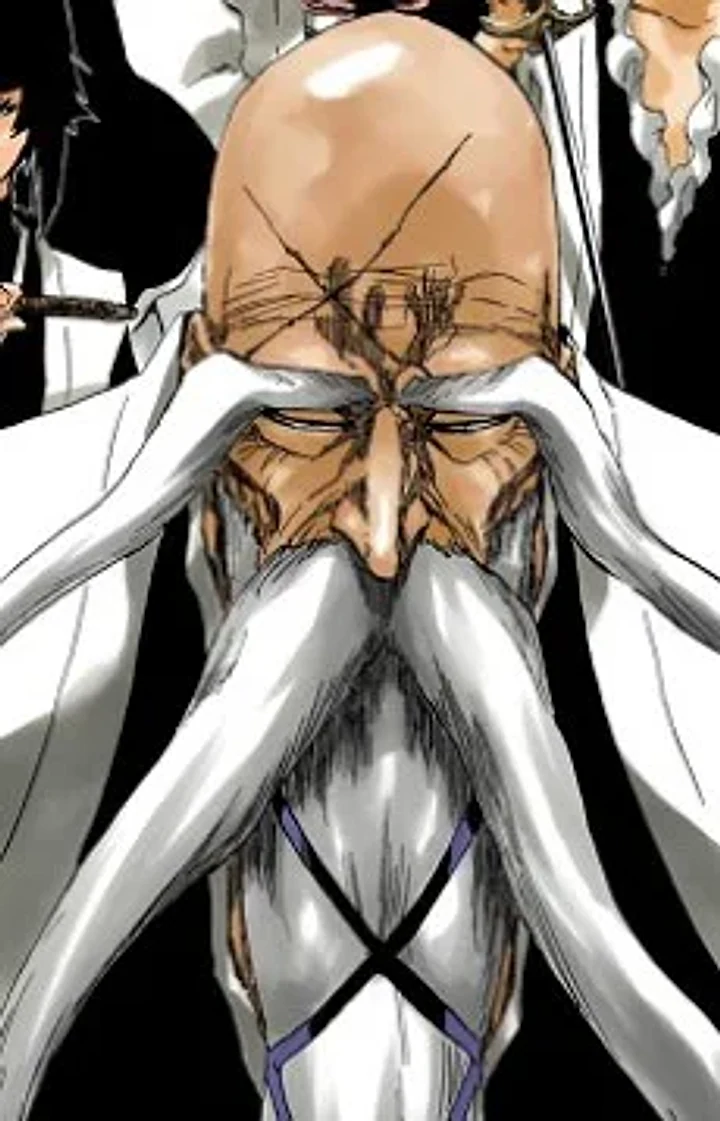
- Shigekuni Genryusai Yamamoto is Chojiro's teacher and commanding officer; Chojiro shapes his entire career around becoming the right hand Yamamoto can rely on.
- Shunsui Kyoraku inherits leadership of Squad 1 after both men fall, making Chojiro's death part of the institutional break the new Head Captain must repair.
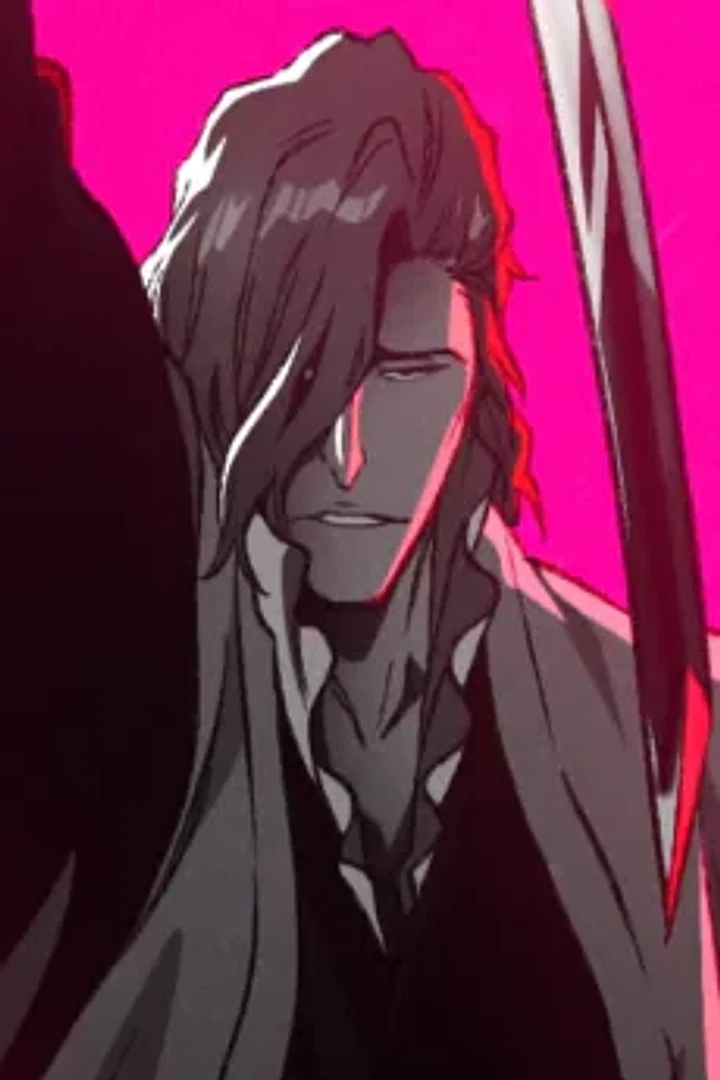
- Driscoll Berci kills Chojiro, steals Koko Gonryo Rikyu and later uses an inferior version of the Bankai against Yamamoto.
- The Squad 1 members who see Chojiro mainly as a formal lieutenant only understand the scale of his history through the mourning that follows.
Story progression
Defining moments
- Mastering Bankai after asking to become Yamamoto's right hand proves that his loyalty is backed by difficult, measurable discipline.
- Scarring Yamamoto with Koko Gonryo Rikyu establishes the Bankai's true force and the teacher's recognition of Chojiro's resolve.
- Refusing captaincy preserves a chosen form of service even when conventional advancement is available.
- Using his final strength to warn Yamamoto that the enemy can take Bankai gives Soul Society its first crucial clue about the invasion.
Visual language
Symbolism and visual design
Lightning represents power that is usually contained but becomes unmistakable in the brief instant it is released.
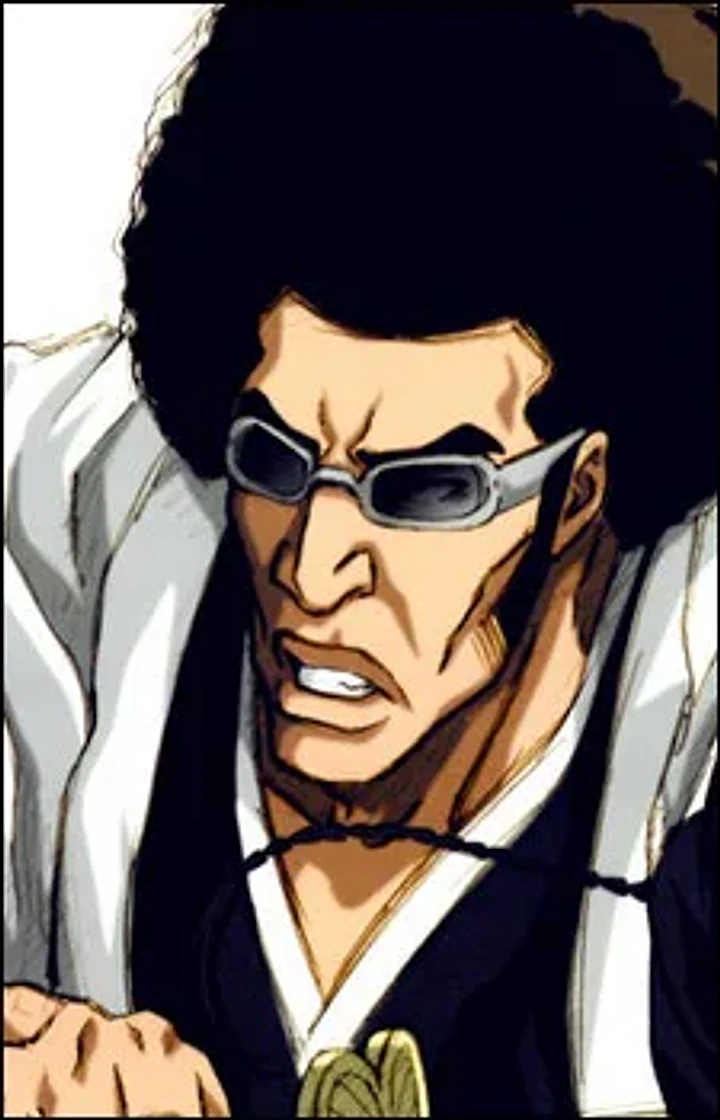
Chojiro's Western-influenced tastes and formal appearance distinguish his private identity within the oldest command structure in Soul Society.
The lieutenant badge becomes more than a lower rank: for Chojiro it is the office he deliberately makes into a life's highest purpose.
Adaptation notes
Manga versus anime
The manga intentionally withholds Chojiro's history until after his death, transforming an apparently minor officer into evidence of how much Yamamoto loses in the first invasion. His Bankai's strength is communicated partly through Yamamoto's judgment of Driscoll's imitation.
Thousand-Year Blood War expands the visual scale of the funeral, flashback and lightning Bankai. Taro Yamaguchi's restrained Japanese performance suits a character whose strongest emotions are expressed through continued service rather than speeches.
Spoiler section
Ending and current status
The main profile avoids end-of-series outcomes and late identity or relationship reveals.
Ending and current-status coverage will only appear inside a dedicated, clearly labelled spoiler section.