Performance
Voice actors and performance
Performance credits are listed by release language and checked against the cited release sources.
Complete character analysis
Story, powers and development
Story spoilers ahead
The spoiler-safe introduction appears above. The sections below connect personality and abilities to relationships, defining moments, adaptation choices and current status.
Character study
Personality and motivation
- Formal about rank and division protocol
- Sensitive to how combat officers perceive Squad 4
- Proud of his position as a relief-team leader
- Meticulous enough to record frustrations in a diary
- Dependable when medical coordination is required
Power system
Abilities, powers and limitations
Abilities
- Healing Kidō and medical training appropriate to a senior Squad 4 officer
- Leading the First Relief Team through active conflict zones
- Organizing triage, transport and treatment for multiple wounded Soul Reapers
- Monitoring subordinate attendance and reporting irregularities through the chain of command
- Spiritual perception sufficient to assess battlefield conditions and powerful changes in reiatsu
- Standard Soul Reaper sword training, although his Zanpakutō release remains unrevealed
Limits
- Squad 4's specialization leaves Iemura less combat-focused than Third Seats in many other divisions.
- His concern with dignity and status can distract from the emotional reasons behind a subordinate's actions.
- He cannot personally control every relief-team member during a citywide invasion.
- No named Zanpakutō, Shikai or Bankai is revealed for him in the manga.
- His administrative authority does not approach the strategic power of captains such as Unohana.
Character connections
Important relationships
- Retsu Unohana is Iemura's captain and the medical authority whose calm leadership defines the Fourth Division.
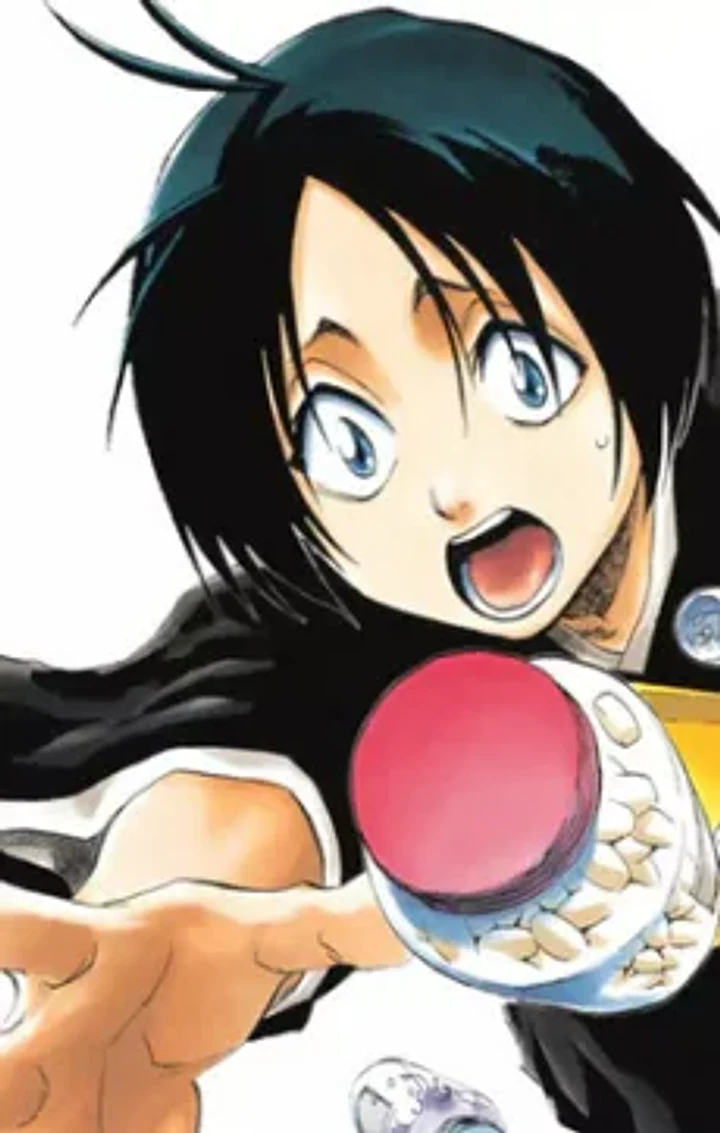
- Hanatarō Yamada is his subordinate and eventual fellow Third Seat, but the younger healer's rescue-arc disobedience challenges Iemura's procedural outlook.
- Isane Kotetsu is Squad 4's lieutenant during the rescue arc and later continues the division's leadership tradition.
- Harunobu Ogidō serves with Iemura on the First Relief Team and shares the daily work of locating and treating casualties.
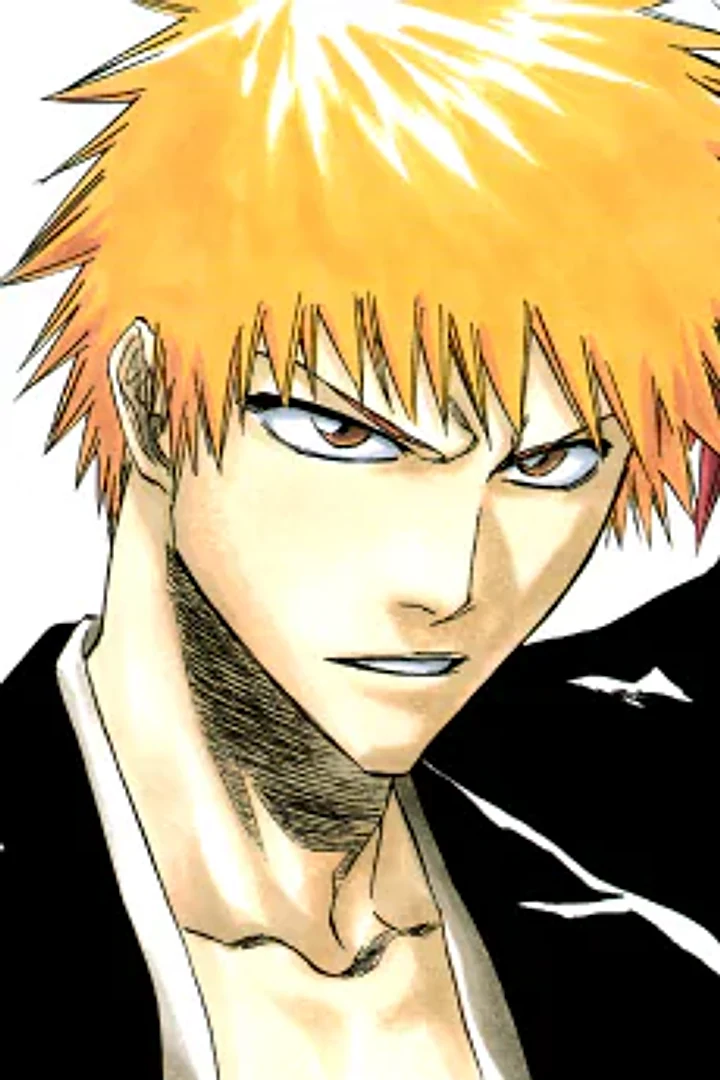
- Ichigo Kurosaki benefits from Squad 4 treatment and from Hanatarō's help even while Iemura's division is officially responding to the Ryoka threat.
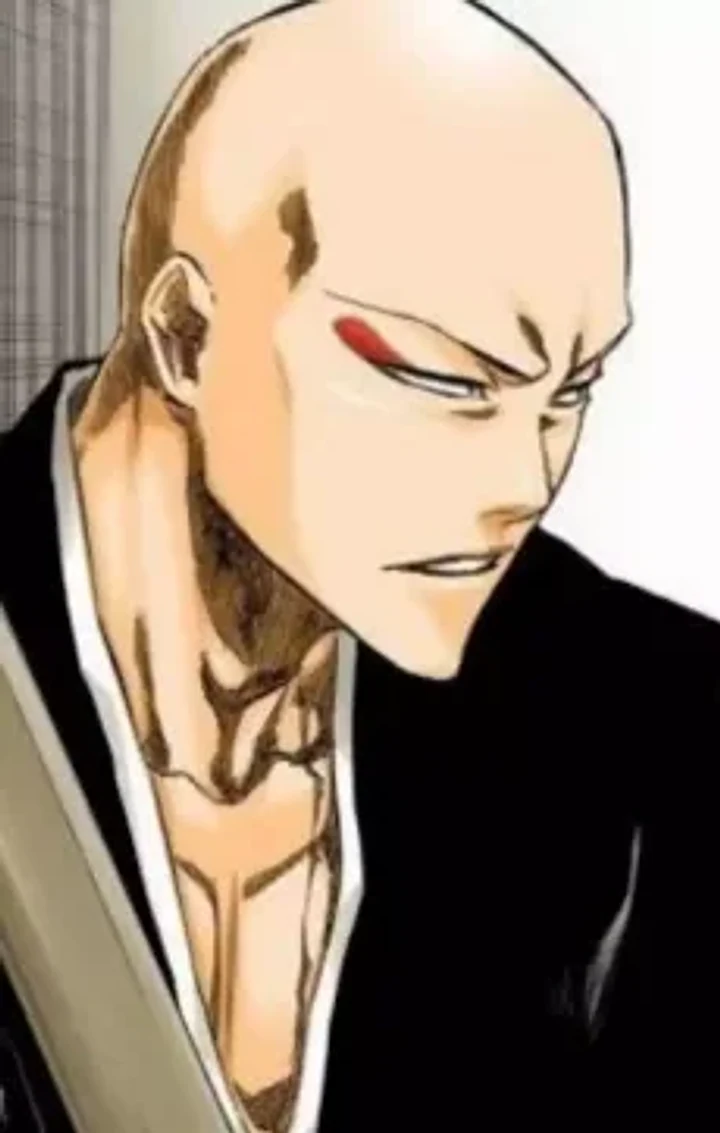
- Ikkaku Madarame is one of the combat officers treated inside Squad 4, demonstrating how fighters who mock medical weakness still depend on its expertise.
Story progression
Defining moments
- Deploying with the First Relief Team introduces the medical response running behind the rescue arc's visible duels.
- Accounting for wounded officers turns scattered fights into an organized casualty picture.
- Discovering Hanatarō is absent exposes the limits of rank when a subordinate makes a moral choice alone.
- Reporting developments through Squad 4's hierarchy shows that healing work includes information as well as treatment.
- Continuing relief operations while captains turn against one another keeps the division useful amid institutional confusion.
- Later serving alongside a more experienced Hanatarō demonstrates how the timid Seventh Seat grows without making Iemura's medical role unnecessary.
Visual language
Symbolism and visual design
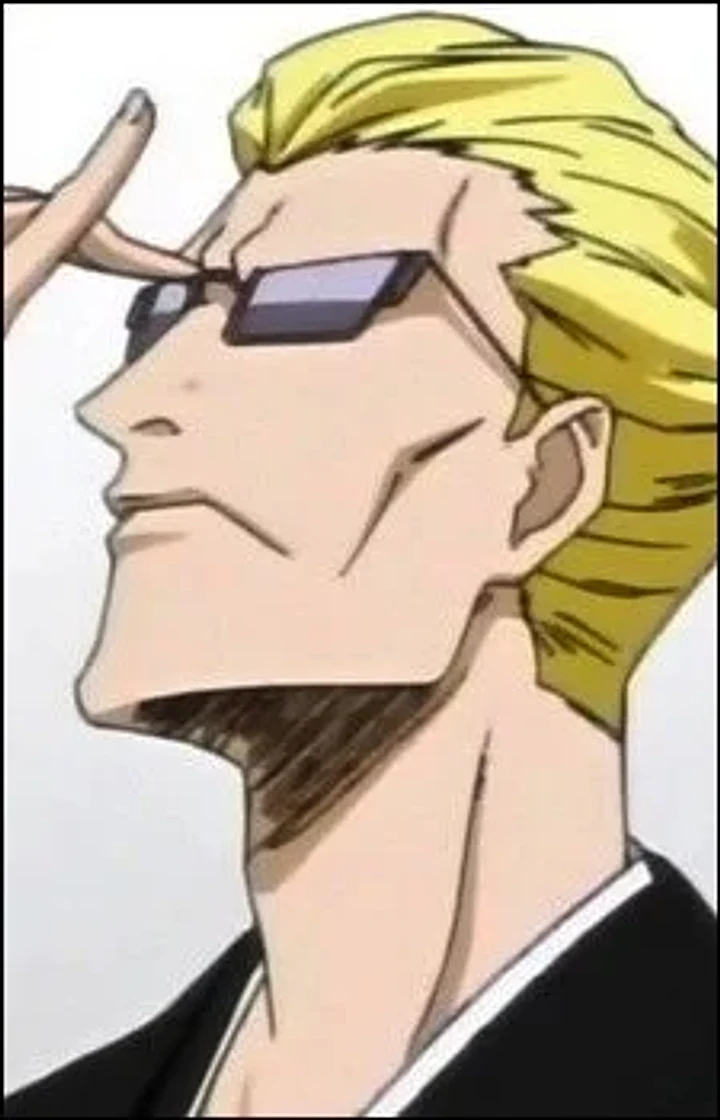
Iemura's shaded glasses and careful presentation create a professional armor for someone from a division others underestimate.
His diary converts private embarrassment into a record, mirroring a medic's need to document what combatants would rather forget.
The First Relief Team represents the labor that follows every celebrated victory but rarely receives equal attention.
His Third Seat rank carries less battlefield prestige than the same number elsewhere, revealing how the Gotei 13 measures strength too narrowly.
Adaptation notes
Manga versus anime
The manga introduces Iemura with Squad 4's relief response and uses him primarily to define the medical hierarchy surrounding Hanatarō's unauthorized assistance to the Ryoka.
The television anime preserves that role and expands his comic administration through adaptation material and anime-original segments. Yutaka Aoyama voices Iemura in Japanese. Neither medium reveals a named Zanpakutō release for him.
Spoiler section
Ending and current status
The main profile avoids end-of-series outcomes and late identity or relationship reveals.
Ending and current-status coverage will only appear inside a dedicated, clearly labelled spoiler section.