Performance
Voice actors and performance
Performance credits are listed by release language and checked against the cited release sources.
Complete character analysis
Story, powers and development
Story spoilers ahead
The spoiler-safe introduction appears above. The sections below connect personality and abilities to relationships, defining moments, adaptation choices and current status.
Character study
Personality and motivation
- Compassionate
- Conscientious
- Modest
- Dependable under medical pressure
Power system
Abilities, powers and limitations
Abilities
- Using Kaido and other healing techniques to stabilize injured Soul Reapers during large-scale battles
- Coordinating Squad 4 personnel, triage and communication as Unohana's lieutenant
- Casting Kido including Bakudo 77, Tenteikura, to transmit an urgent message across Soul Society
- Releasing Itegumo into a three-pronged blade for combat, although its special power has not been canonically explained
Limits
- Canon has not revealed a defined elemental or special ability for Itegumo; its name and shape alone do not justify inventing one.
- As a medical officer, Isane often prioritizes treatment and evacuation over pursuing an opponent or displaying offensive power.
- Her anxiety can make an initial confrontation visibly difficult, even though it rarely prevents her from completing an essential duty.
Character connections
Important relationships
- Retsu Unohana trusts Isane as her lieutenant and medical partner, creating a mentorship based on composure, skill and responsibilities that eventually must be inherited.
- Kiyone Kotetsu is Isane's younger sister, connecting the reserved Squad 4 officer to Kiyone's more outspoken service in Squad 13.
- The wounded captains and soldiers treated by Squad 4 depend on Isane's discretion, making care rather than rivalry the basis of most of her bonds.
- Kenpachi Zaraki becomes indirectly connected to Isane through Unohana's final duty, a change whose consequences belong in spoiler-marked discussion.
Story progression
Defining moments
- Using Tenteikura to broadcast Unohana's discovery of Aizen's betrayal turns medical observation into intelligence that reaches every active squad.
- Remaining at Unohana's side during emergency treatment shows that trust in Squad 4 is built through disciplined, often unseen work.
- Accepting greater responsibility after the Thousand-Year Blood War demonstrates leadership shaped by care rather than a sudden change in personality.
Visual language
Symbolism and visual design
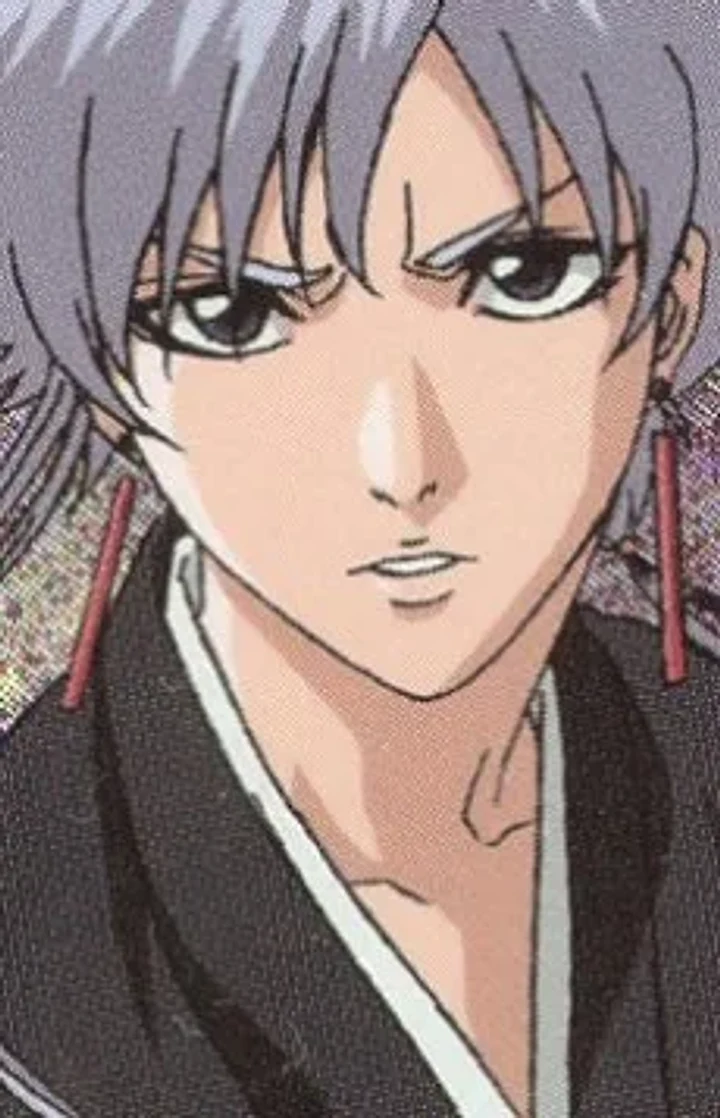
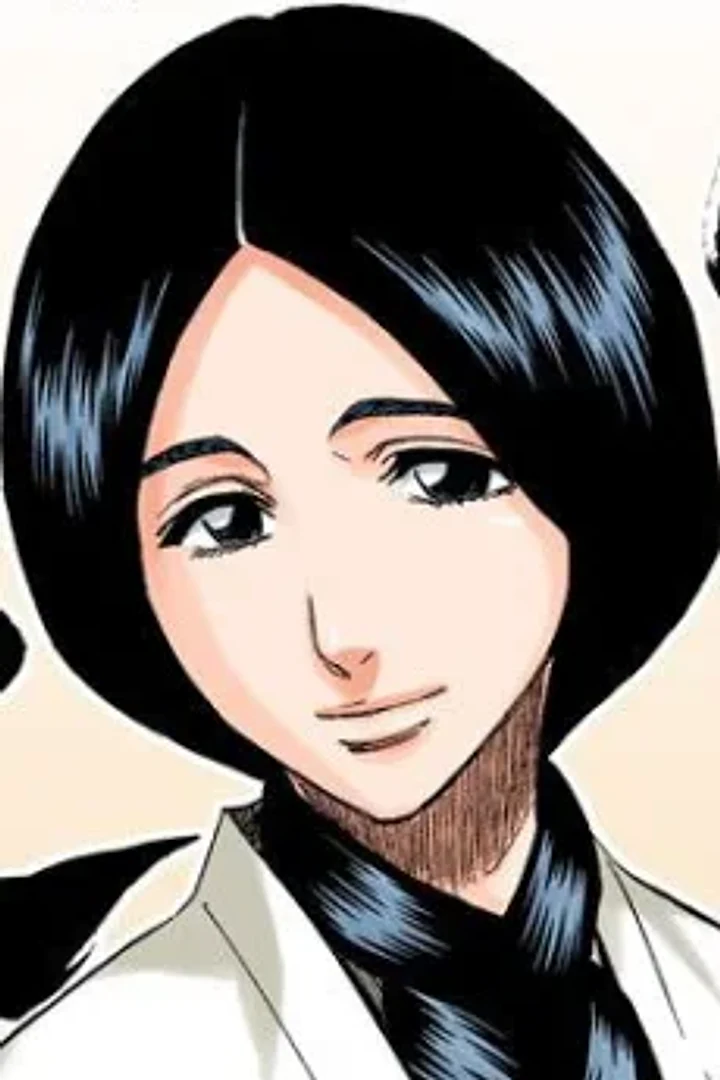
Isane's unusual height contrasts with her shyness, separating physical presence from the loud confidence anime often assigns to tall fighters.
Itegumo's three-pronged release is visually distinctive while its unknown power reflects how much of Isane's competence lies outside spectacle.
The white medical armband and Squad 4 identity place preservation beside a story dominated by increasingly destructive weapons.
Adaptation notes
Manga versus anime
The manga presents Isane primarily through medical response, her bond with Unohana and the consequences of the final war. It deliberately leaves Itegumo's special ability undefined, so claims that it controls ice or weather go beyond the published canon.
The anime expands Squad 4's daily work and lighter interactions, making Isane's nervousness more visible while preserving her competence in major crises. Yukana's Japanese performance balances that anxiety with the authority required for battlefield communication.
Spoiler section
Ending and current status
The main profile avoids end-of-series outcomes and late identity or relationship reveals.
Ending and current-status coverage will only appear inside a dedicated, clearly labelled spoiler section.