Performance
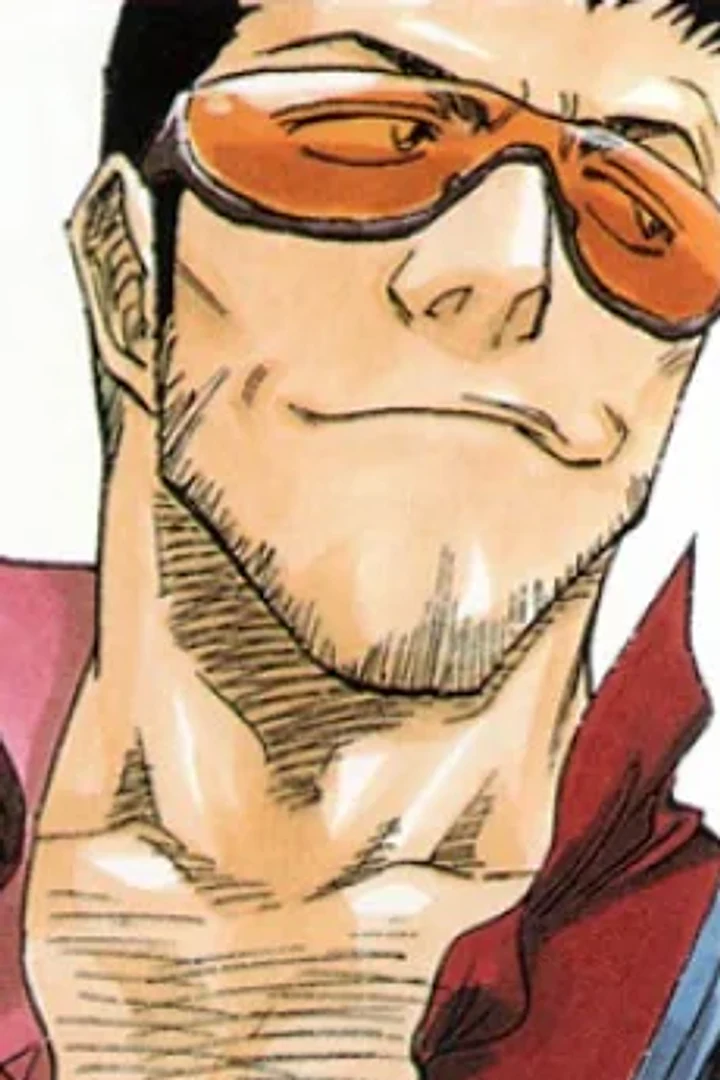
Voice actors and performance
- Ryotaro Okiayu - Japanese
Performance credits are listed by release language and checked against the cited release sources.
Complete character analysis
Story, powers and development
Story spoilers ahead
The spoiler-safe introduction appears above. The sections below connect personality and abilities to relationships, defining moments, adaptation choices and current status.
Character study
Personality and motivation
- Composed
- Exacting
- Proud
- Protective beneath formal restraint
Power system
Abilities, powers and limitations
Abilities
- Releasing Senbonzakura into numerous petal-like blades that attack from multiple directions
- Using Bankai to multiply Senbonzakura's blades and control the battlefield at enormous scale
- Mastering high-speed movement, swordsmanship and advanced Kido
- Reading an opponent calmly and changing the density, angle and timing of his attacks
Limits
- Senbonzakura's wide attack field requires careful control to avoid exposing Byakuya or nearby allies.
- The pride that supports his composure can make him underestimate opponents who stand outside Soul Society's hierarchy.
- Conflicting vows and institutional duty can delay action even when Byakuya understands the personal cost.
Character connections
Important relationships
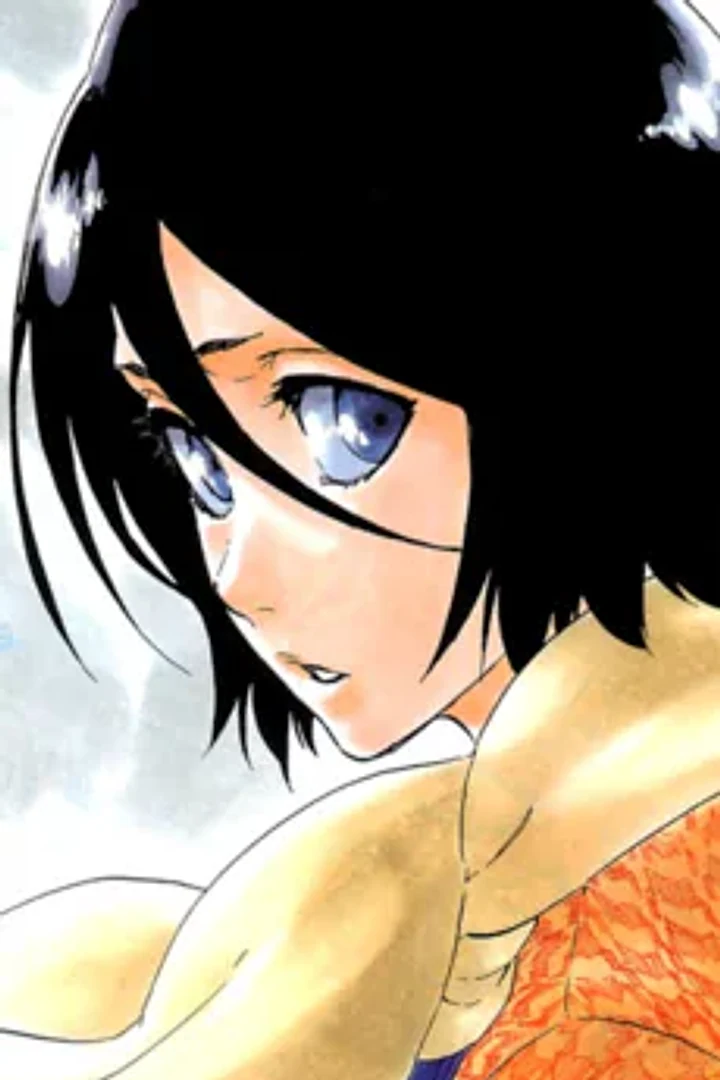
- Rukia Kuchiki is Byakuya's adopted sister, and his struggle to protect her while honouring the law defines his central moral conflict.
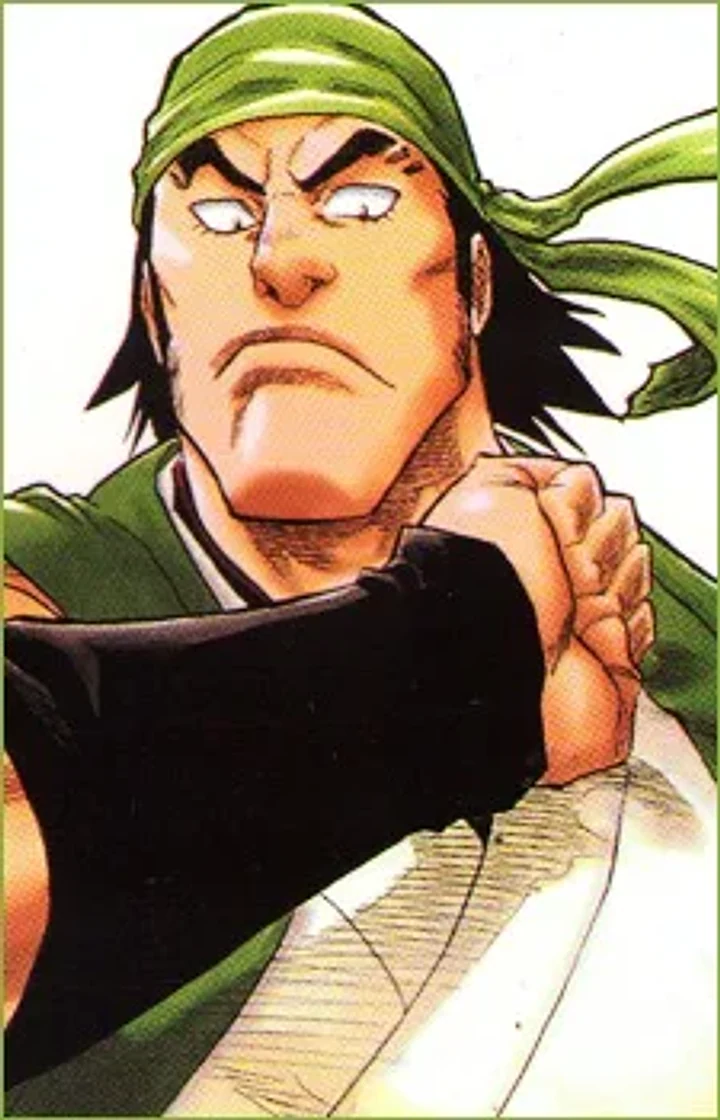
- Renji Abarai serves as Byakuya's lieutenant and eventual challenger, earning respect by refusing to let rank end the argument over Rukia's life.
- Ichigo Kurosaki begins as an intruder beneath Byakuya's notice, then becomes the rival who forces him to reconsider what pride should defend.
Story progression
Defining moments
- Returning Rukia to Soul Society establishes Byakuya as the face of an apparently immovable legal order.
- Releasing Senbonzakura Kageyoshi against Ichigo turns their battle into a contest between inherited authority and self-chosen conviction.
- Intervening when Rukia is threatened after the execution crisis shows that Byakuya's restraint no longer prevents decisive protection.
Visual language
Symbolism and visual design
Senbonzakura's beautiful petals disguise thousands of edges, reflecting elegance that never stops being dangerous.
The white headpiece and scarf mark noble status, making social expectation visible before Byakuya speaks.
His controlled posture contrasts with the moving storm of his blade, suggesting passion governed rather than absent.
Adaptation notes
Manga versus anime
Tite Kubo's manga is the source continuity. The 2004 anime preserves Byakuya's major confrontations while expanding some battles and placing him in anime-original missions that broaden his interactions with other captains.
Bleach: Thousand-Year Blood War adapts later tests of Byakuya's identity and leadership with updated production. Exact battle outcomes remain reserved for spoiler-marked coverage. Ryotaro Okiayu voices Byakuya in Japanese.
Spoiler section
Ending and current status
The main profile avoids end-of-series outcomes and late identity or relationship reveals.
Ending and current-status coverage will only appear inside a dedicated, clearly labelled spoiler section.