Performance
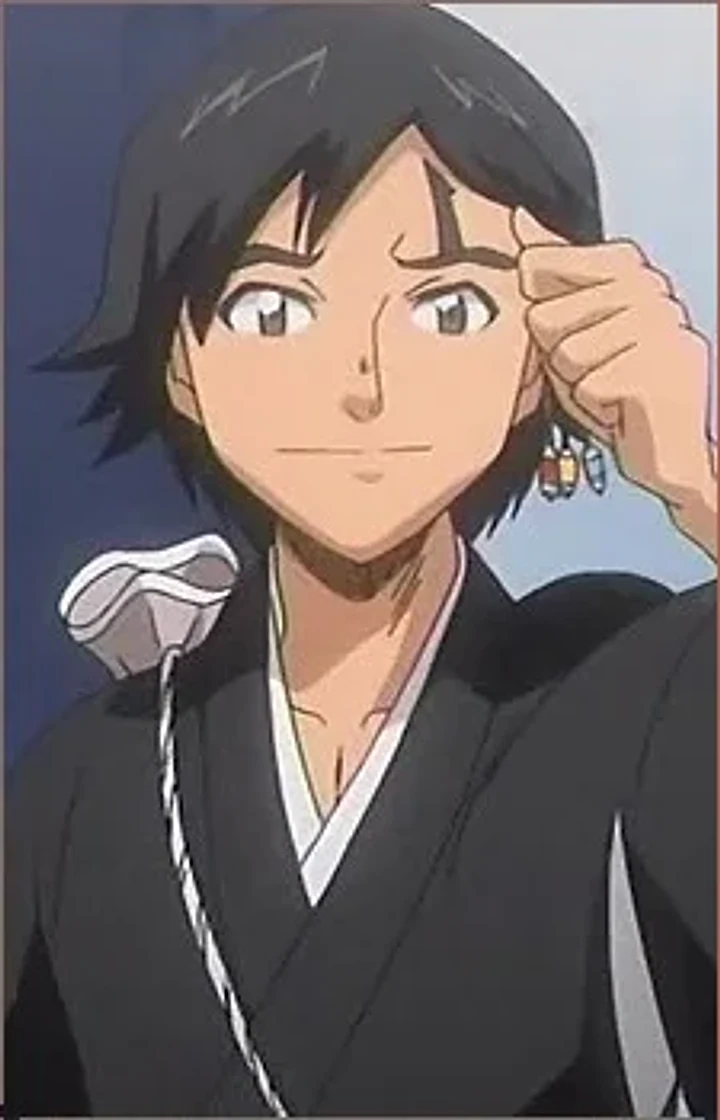
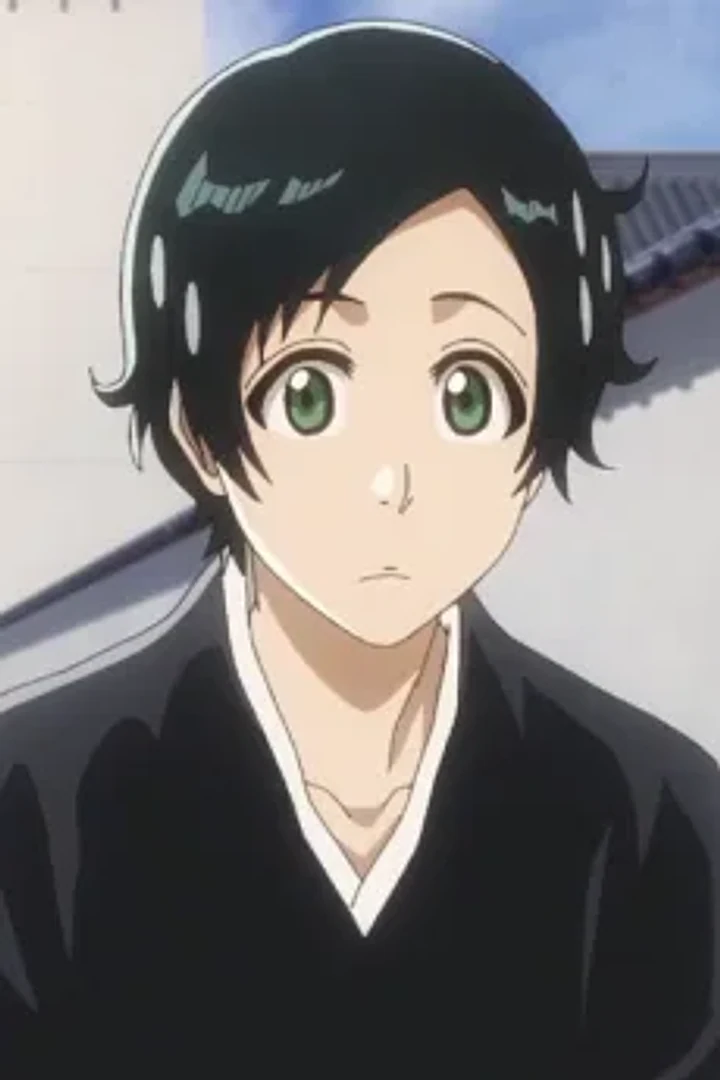
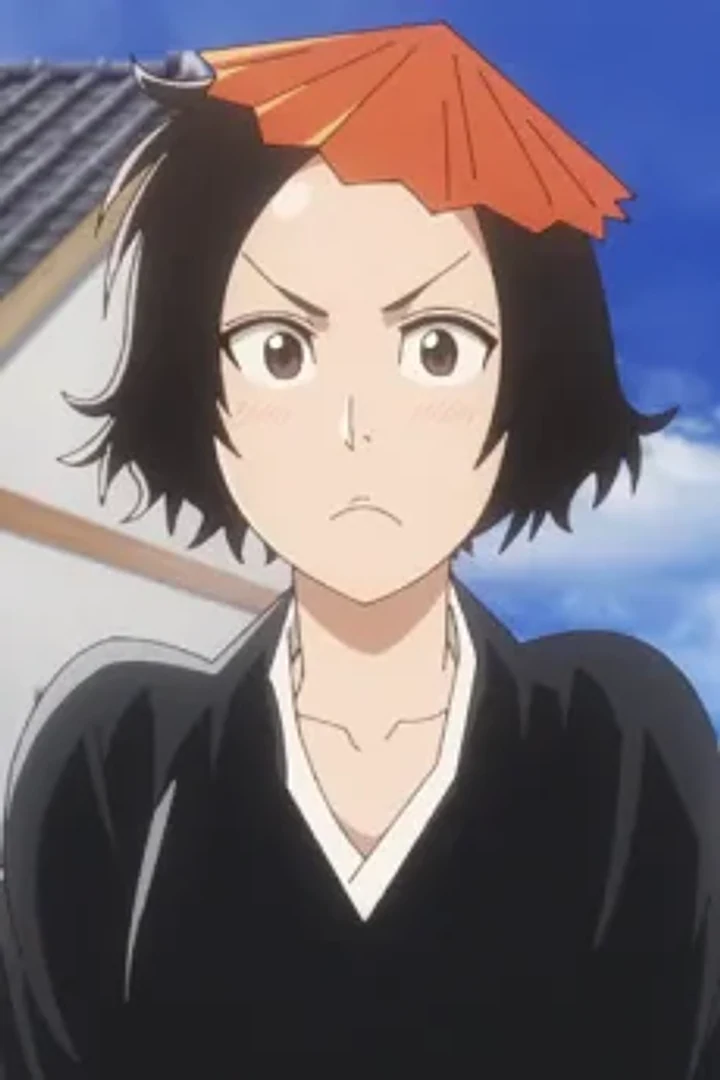
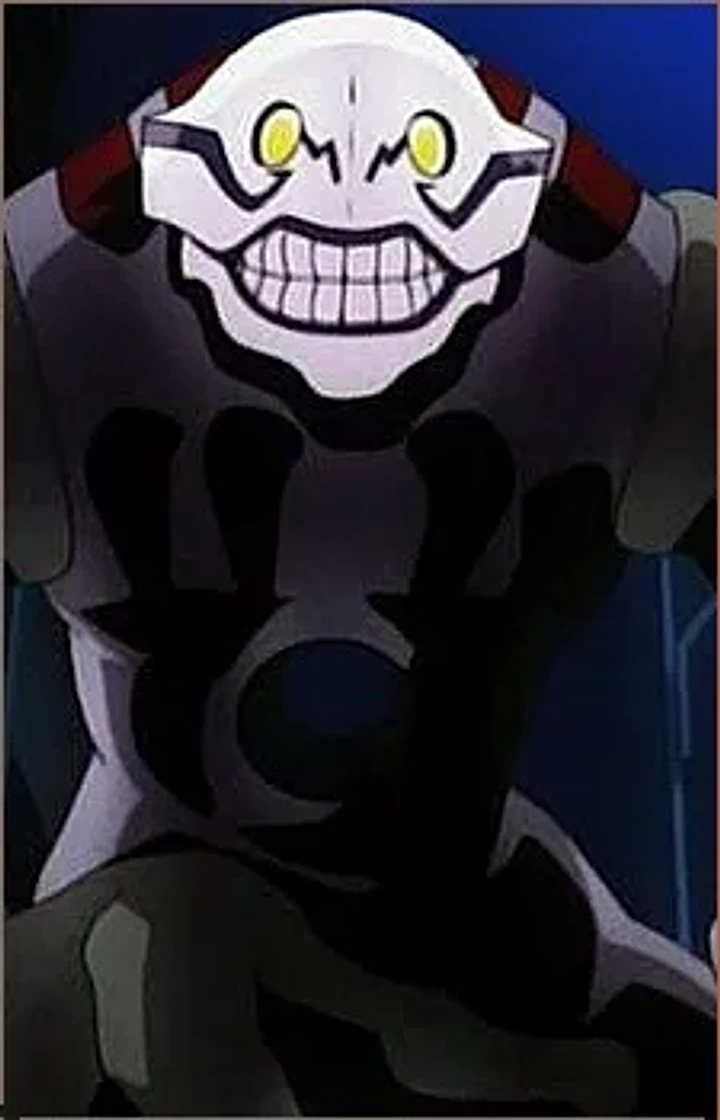
Voice actors and performance
Performance credits are listed by release language and checked against the cited release sources.
Complete character analysis
Story, powers and development
Story spoilers ahead
The spoiler-safe introduction appears above. The sections below connect personality and abilities to relationships, defining moments, adaptation choices and current status.
Character study
Personality and motivation
- Charismatic
- Strategic
- Deeply distrustful of Soul Society
- Protective toward chosen Fullbringers
Abilities, powers and limitations
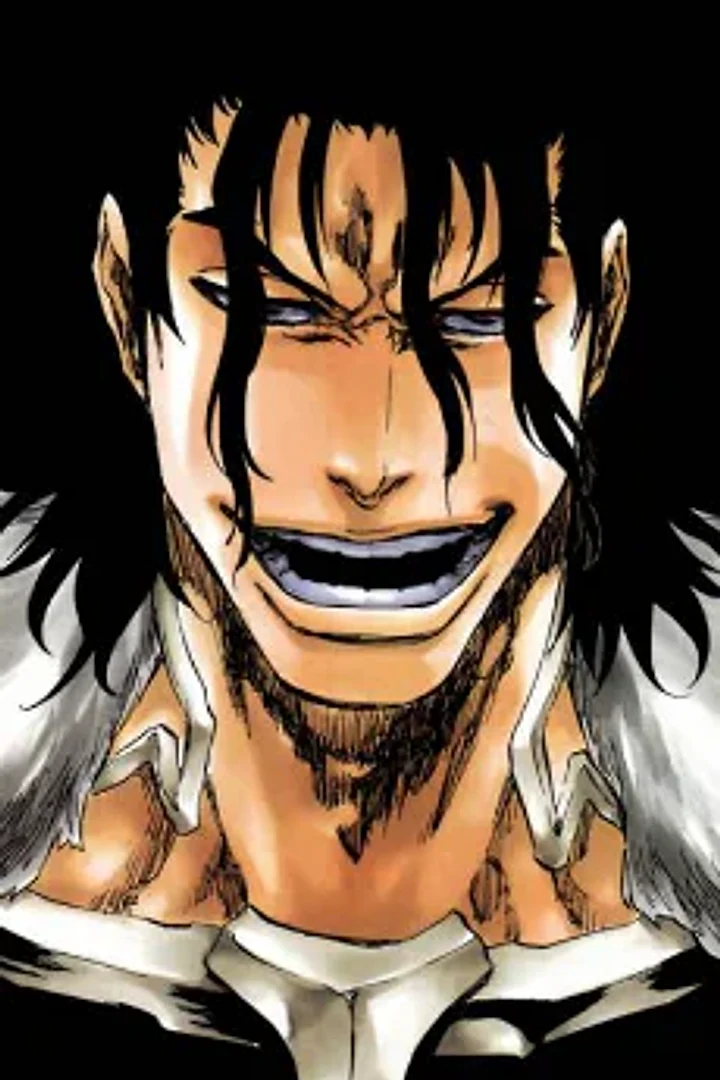
Kugo Ginjo's Fullbring, Soul Reaper powers and limits
Abilities
- Using Cross of Scaffold to transform a cross pendant into a large double-edged Fullbring sword
- Drawing out the souls within matter for movement, defence and the environmental manipulation shared by Fullbringers
- Absorbing another Fullbring, integrating its spiritual power and distributing portions of that power to allies
- Using Substitute Soul Reaper abilities, including Getsuga Tensho and a Bankai enhanced by stolen spiritual power
Limits
- The plan to gain Ichigo's confidence depends on Tsukishima altering allies and later restoring Ginjo's own hidden memories at the correct time.
- Absorbed power increases Ginjo's strength but does not erase the difference between his experience and Ichigo's restored Soul Reaper power.
- His justified anger at Soul Society narrows into certainty that manipulation is acceptable if it serves retaliation.
Character connections
Important relationships
- Ichigo Kurosaki is both Ginjo's recruit and successor as a Substitute Soul Reaper, making their alliance a contest over who controls the meaning of that title.
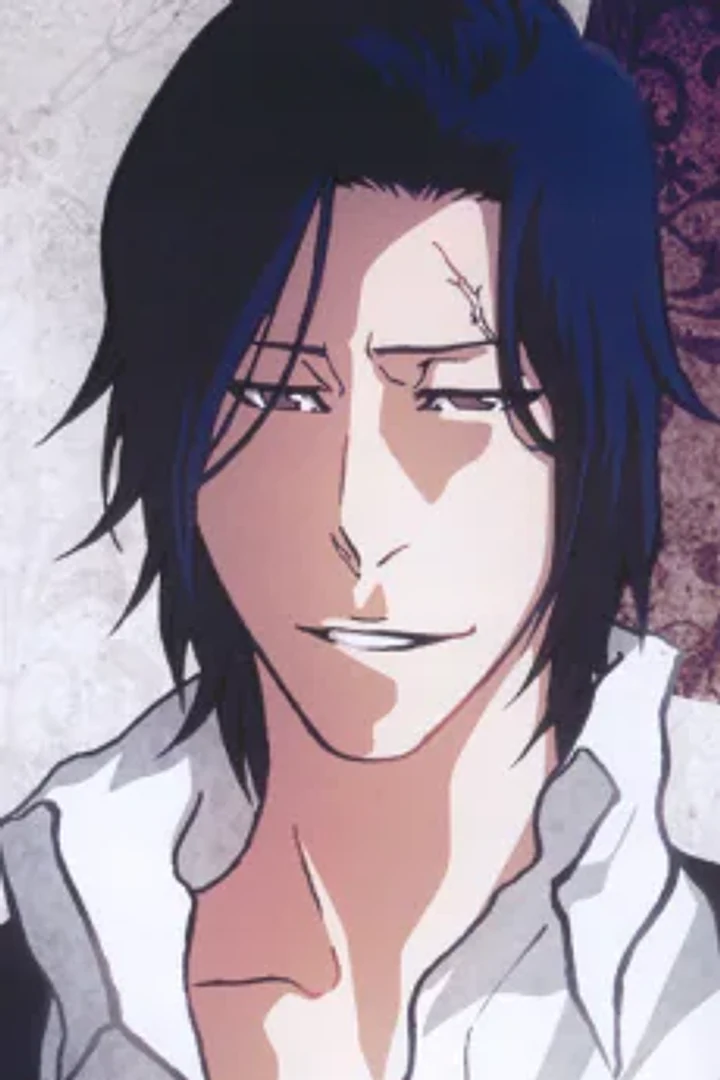
- Shukuro Tsukishima is Ginjo's closest collaborator, using Book of the End to make deception convincing even to the person carrying it out.
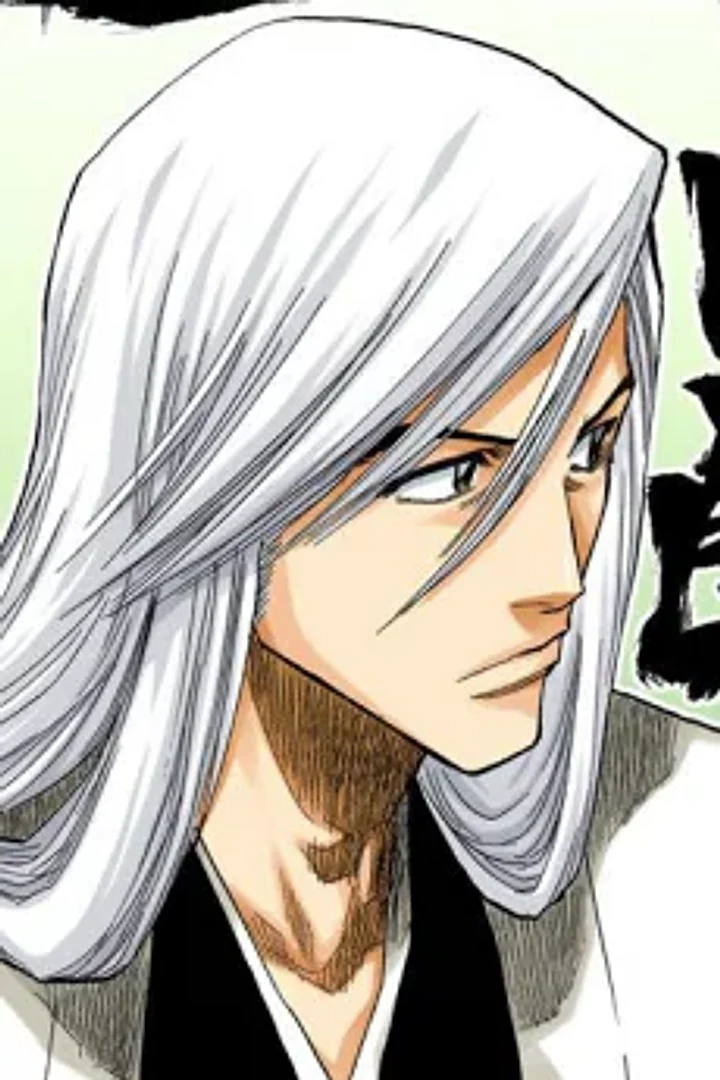
- Jushiro Ukitake represents the Substitute Soul Reaper system Ginjo distrusts, including the combat pass whose official purpose conceals surveillance.
Story progression
Defining moments
- Demonstrating Fullbring through Cross of Scaffold gives powerless Ichigo a concrete route back to the role he misses.
- Training Ichigo while appearing unable to read his heart makes Ginjo simultaneously mentor, test and unresolved threat.
- Revealing his history as the first Substitute Soul Reaper turns the final conflict from a simple betrayal into a dispute over Soul Society's hidden control.
Visual language
Symbolism and visual design
A cross worn close to the body becomes an oversized weapon, turning private grievance into a public challenge.
Ginjo and Ichigo share Substitute Soul Reaper badges, but the same object represents belonging to one and surveillance to the other.
His black-and-white clothing supports a man who presents moral choices clearly while operating through concealed layers.
Adaptation notes
Manga versus anime
The manga introduces Ginjo after Ichigo loses his powers and uses volumes 50 through 54 to reframe the Substitute Soul Reaper badge. Official VIZ guides move from the mystery of Ginjo's motives to the truth behind Ichigo's role.
The anime preserves that structure while expanding training exchanges and the final battle across episodes 343–366. Official TV Tokyo guides and cast listings confirm Hiroki Tochi's Japanese performance, the Fullbring demonstration and the combat-pass secret; the outcome and current status remain spoiler-marked.
Spoiler section
Ending and current status
The main profile avoids end-of-series outcomes and late identity or relationship reveals.
Ending and current-status coverage will only appear inside a dedicated, clearly labelled spoiler section.