Performance
Voice actors and performance
Performance credits are listed by release language and checked against the cited release sources.
Complete character analysis
Story, powers and development
Story spoilers ahead
The spoiler-safe introduction appears above. The sections below connect personality and abilities to relationships, defining moments, adaptation choices and current status.
Character study
Personality and motivation
- Calm
- Methodical
- Emotionally dependent on Ginjo
- Cruel through intimate manipulation
Power system
Abilities, powers and limitations
Abilities
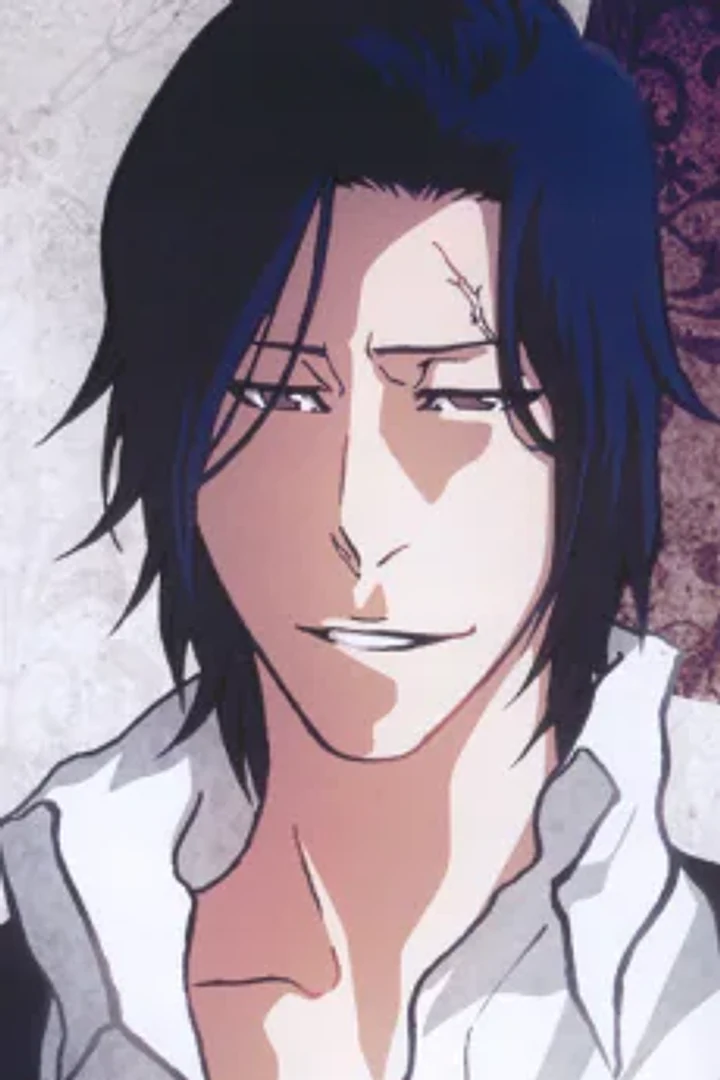
- Transforming a bookmark into Book of the End, a katana capable of cutting bodies without requiring a conventional wound
- Inserting his presence into a person's actual past as a trusted friend, relative, teacher or rescuer
- Cutting objects and locations to establish that he prepared them in the past, creating traps and structural advantages
- Learning techniques and weaknesses through an inserted history in which he observed or helped develop them
Limits
- Book of the End must cut a target before Tsukishima can enter that target's past.
- The ability inserts Tsukishima into existing history rather than giving unlimited control over every action a person takes afterward.
- Contradictions between implanted relationships and present emotions can cause severe distress without guaranteeing obedience.
Character connections
Important relationships
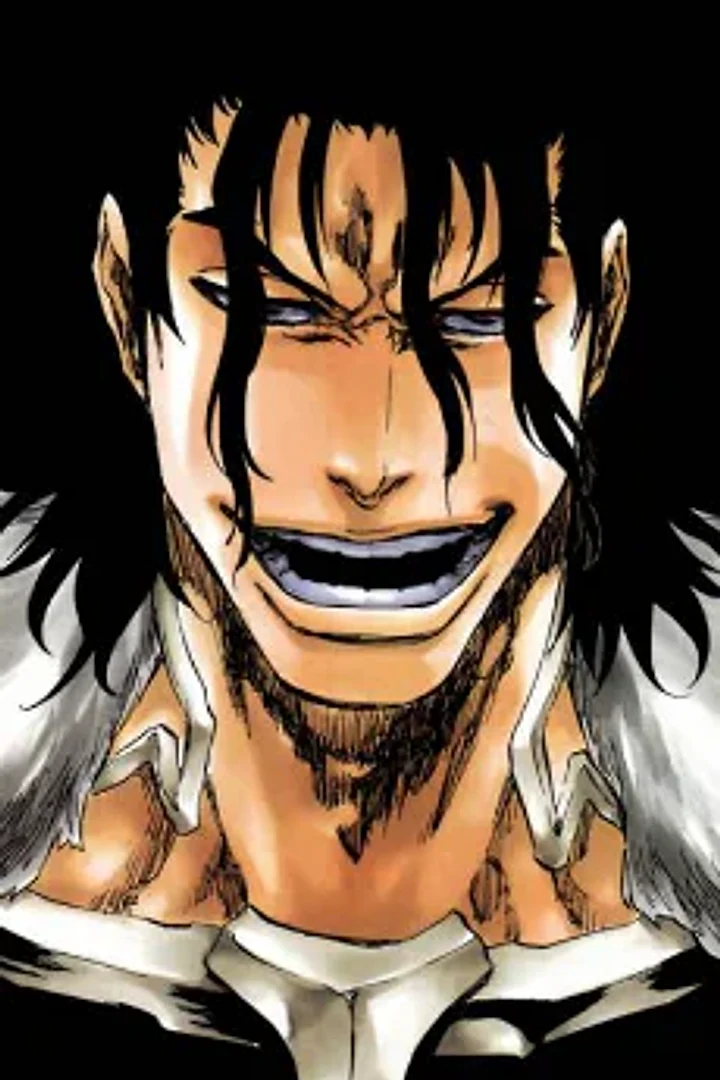
- Kugo Ginjo gives Tsukishima a reason to live and becomes the relationship he protects without needing Book of the End to manufacture it.
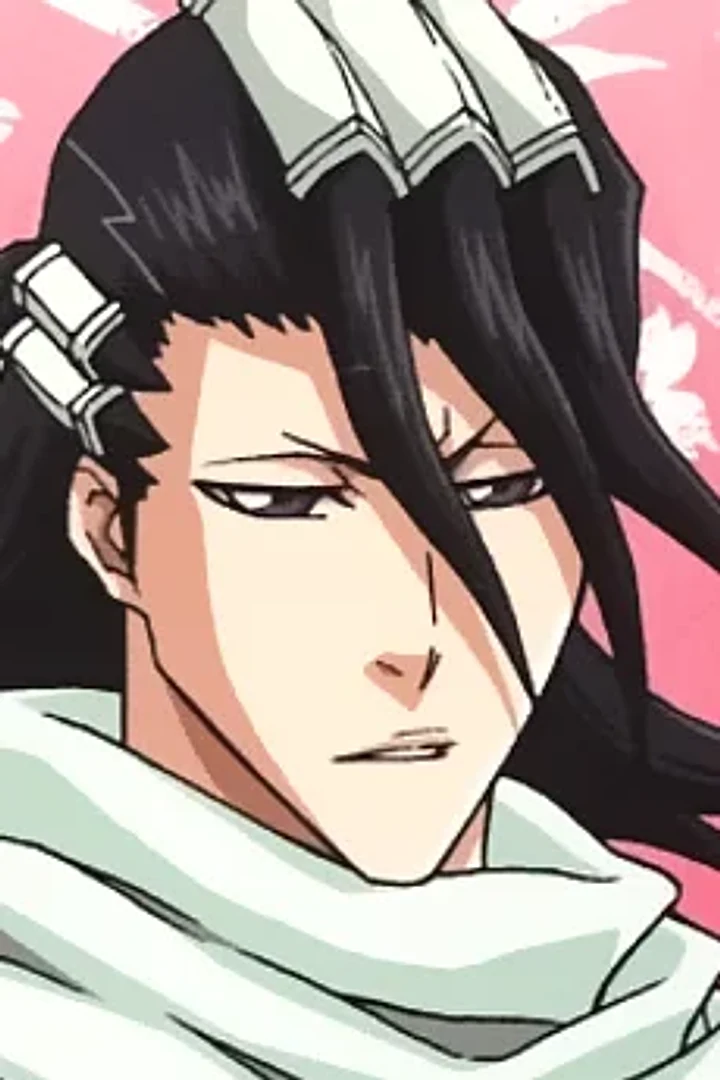
- Byakuya Kuchiki acknowledges the history inserted into him but chooses his present debt to Ichigo over the teacher his memories describe.
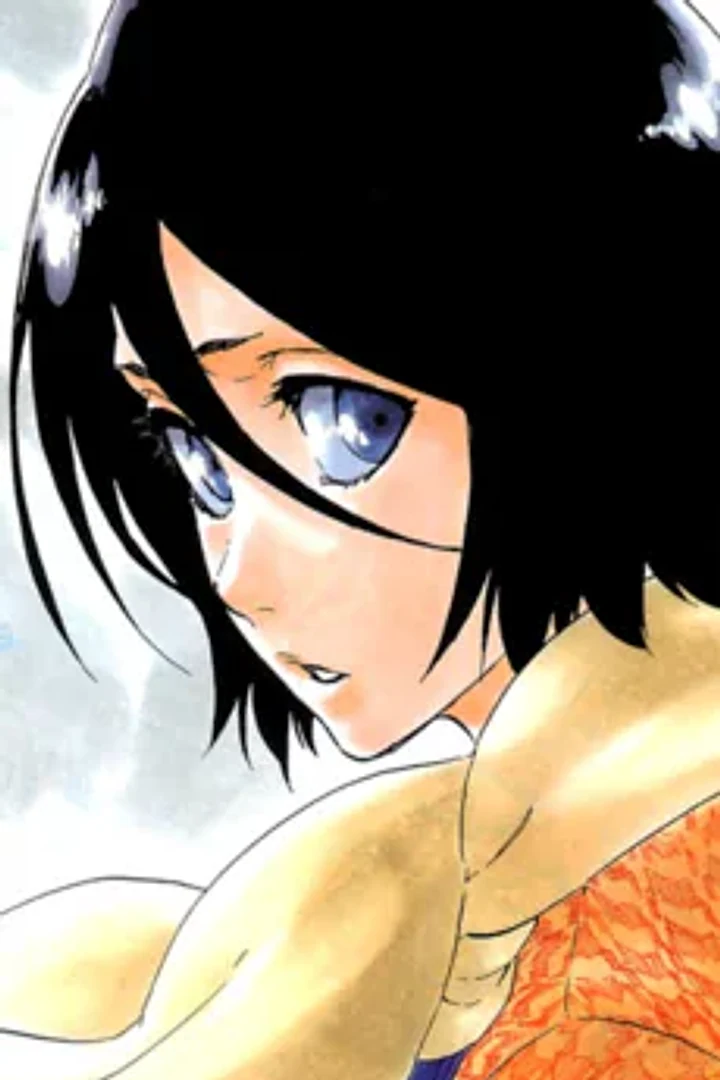
- Orihime Inoue and Yasutora Chad experience Tsukishima as a cherished ally, forcing their emotions and present concern for Ichigo into conflict.
Story progression
Defining moments
- Appearing inside Ichigo's home as a welcomed family friend transforms a safe space into proof that memory can no longer be trusted.
- Explaining that Book of the End changes the past rather than merely producing an illusion closes off simple attempts to disprove its effects.
- Cutting Byakuya and the battlefield shows that people, techniques and environments can all become part of Tsukishima's preparation.
Visual language
Symbolism and visual design
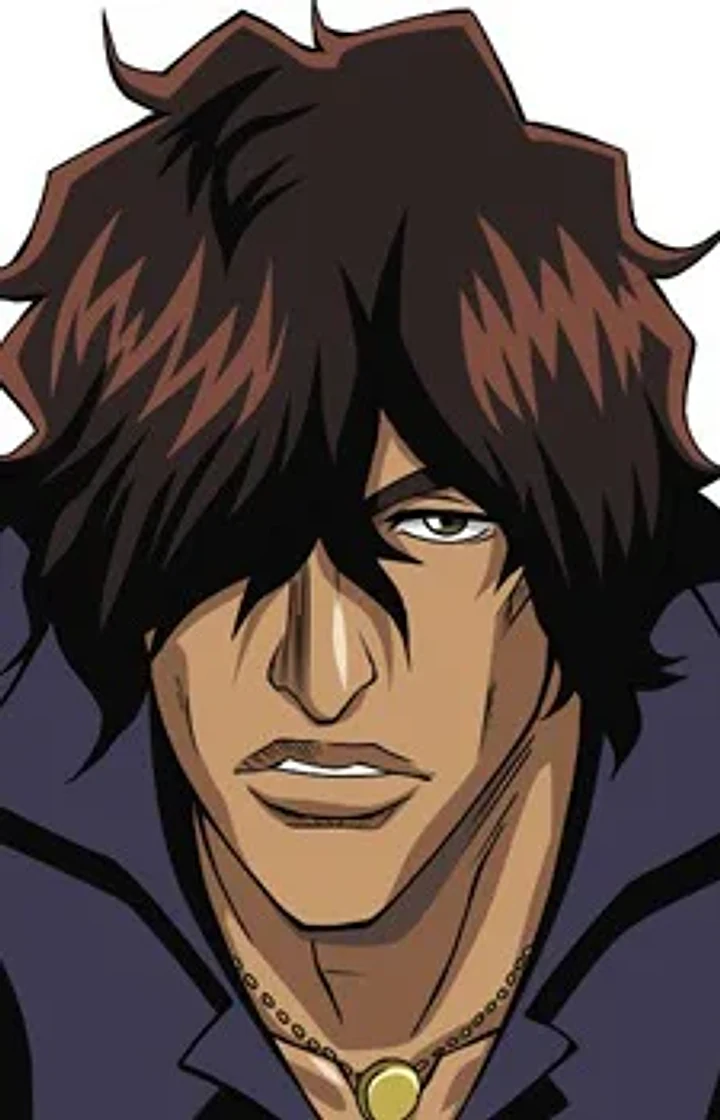
A bookmark marks a place inside someone else's story, matching an ability that inserts its owner into a life already underway.
The slim sword resembles an editing tool: one cut revises context without visibly replacing the present page.
Polite stillness contrasts with the emotional collapse around him, making intimacy itself feel like the weapon.
Adaptation notes
Manga versus anime
The manga gradually clarifies that Book of the End inserts Tsukishima into real past events rather than simply editing memories. VIZ's volume 51 guide positions him as the apparent threat while Ichigo continues training under Ginjo.
The anime uses repeated voices, photographs and domestic scenes to make the rewritten relationships tangible before explaining the power. Official TV Tokyo episode and cast guides confirm Daisuke Ono's Japanese performance and the Byakuya confrontation; exact consequences remain spoiler-marked coverage.
Spoiler section
Ending and current status
The main profile avoids end-of-series outcomes and late identity or relationship reveals.
Ending and current-status coverage will only appear inside a dedicated, clearly labelled spoiler section.