Performance
Voice actors and performance
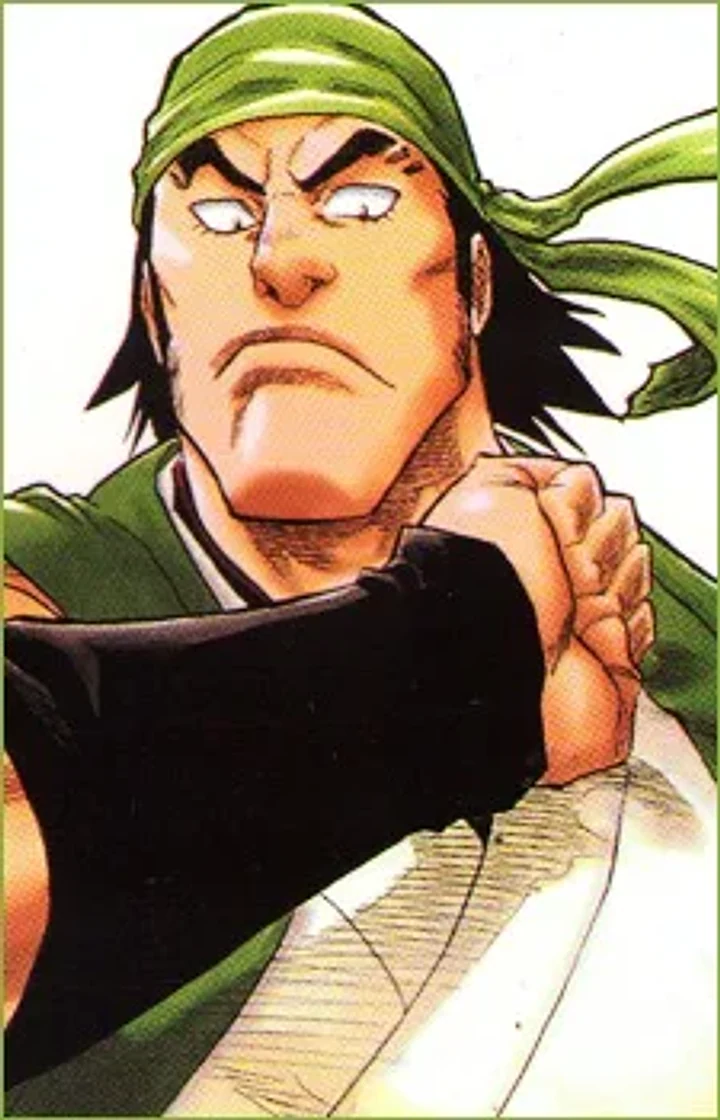
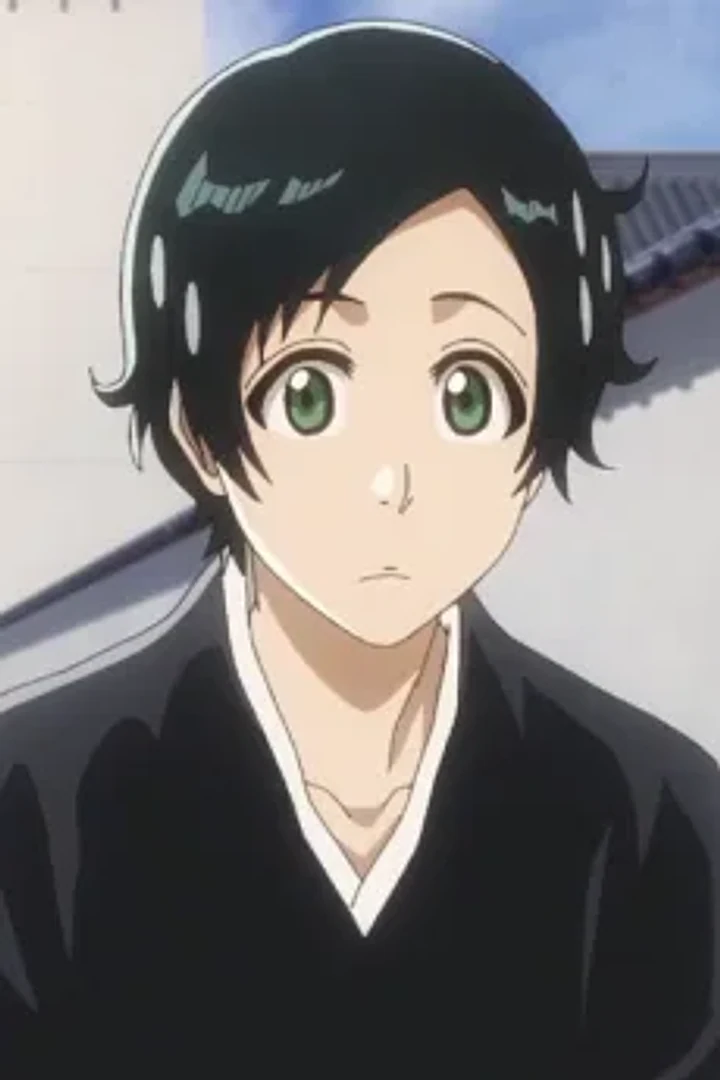
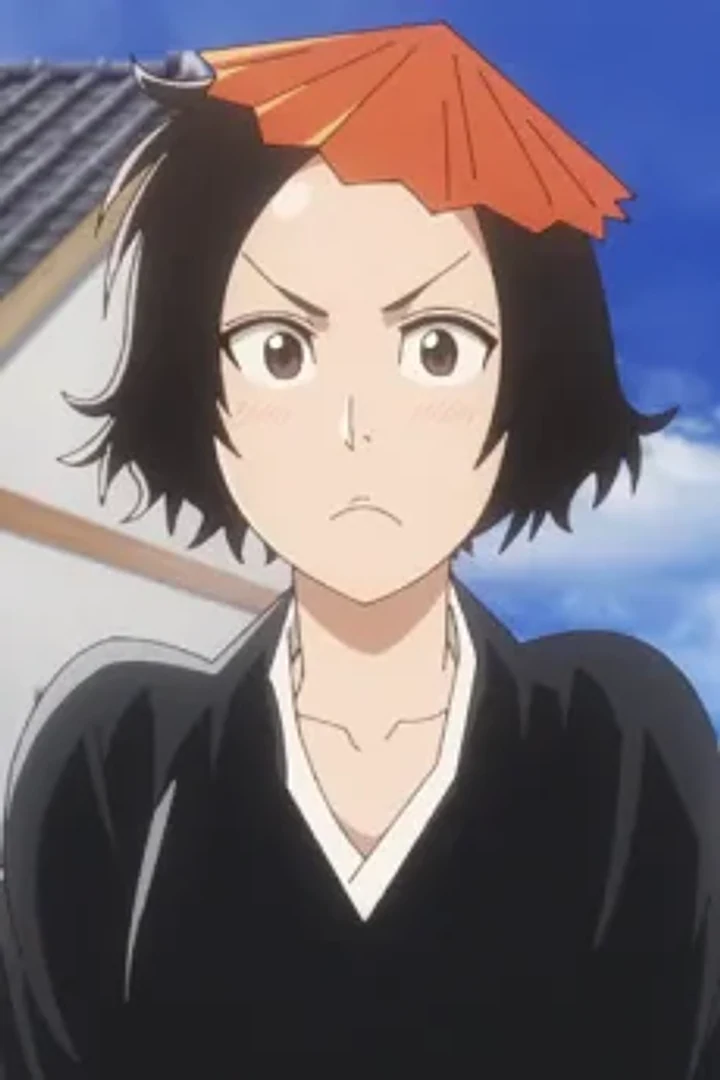
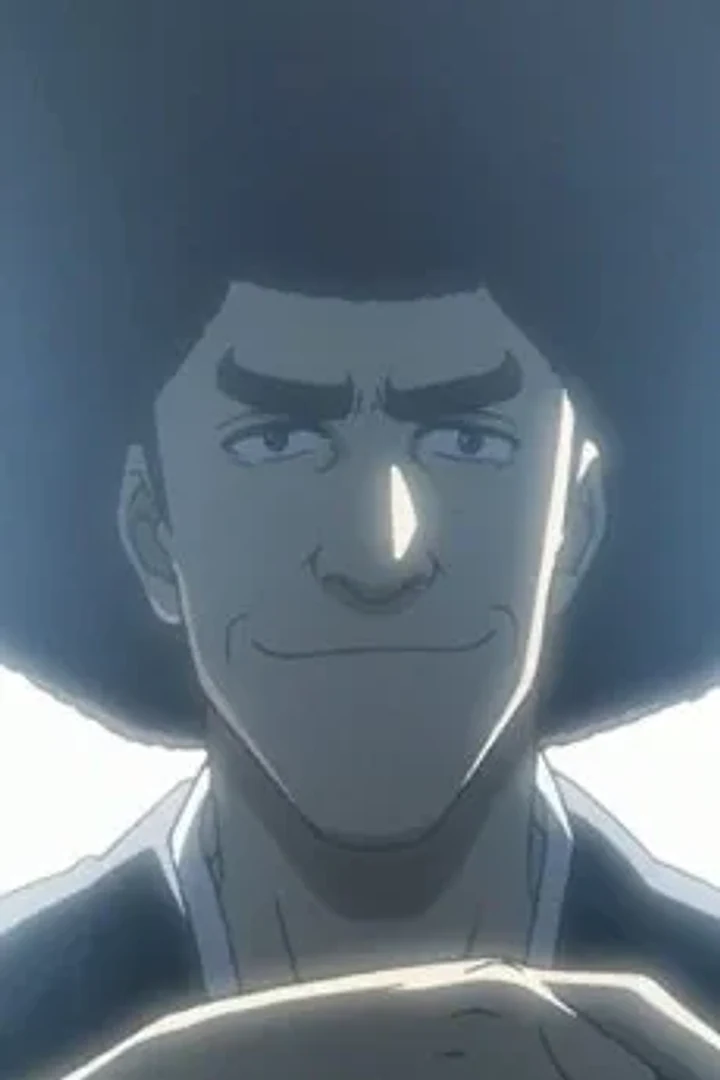
- Hideo Ishikawa - Japanese
Performance credits are listed by release language and checked against the cited release sources.
Complete character analysis
Story, powers and development
Story spoilers ahead
The spoiler-safe introduction appears above. The sections below connect personality and abilities to relationships, defining moments, adaptation choices and current status.
Character study
Personality and motivation
- Kind
- Principled
- Patient
- Resolute when conscience requires action
Power system
Abilities, powers and limitations
Abilities
- Wielding Sogyo no Kotowari as paired blades connected by a cord and five talismans
- Absorbing and redirecting energy attacks after altering their speed and force
- Using veteran swordsmanship, Kido and immense spiritual pressure
- Reading conflict calmly and coordinating subordinates through trust rather than intimidation
Limits
- Severe coughing attacks and periods of illness can interrupt combat without warning.
- Sogyo no Kotowari is especially effective against energy attacks but does not automatically answer every physical or unusual ability.
- Ukitake's desire to protect people can lead him to accept personal costs before allies understand what he intends.
Character connections
Important relationships
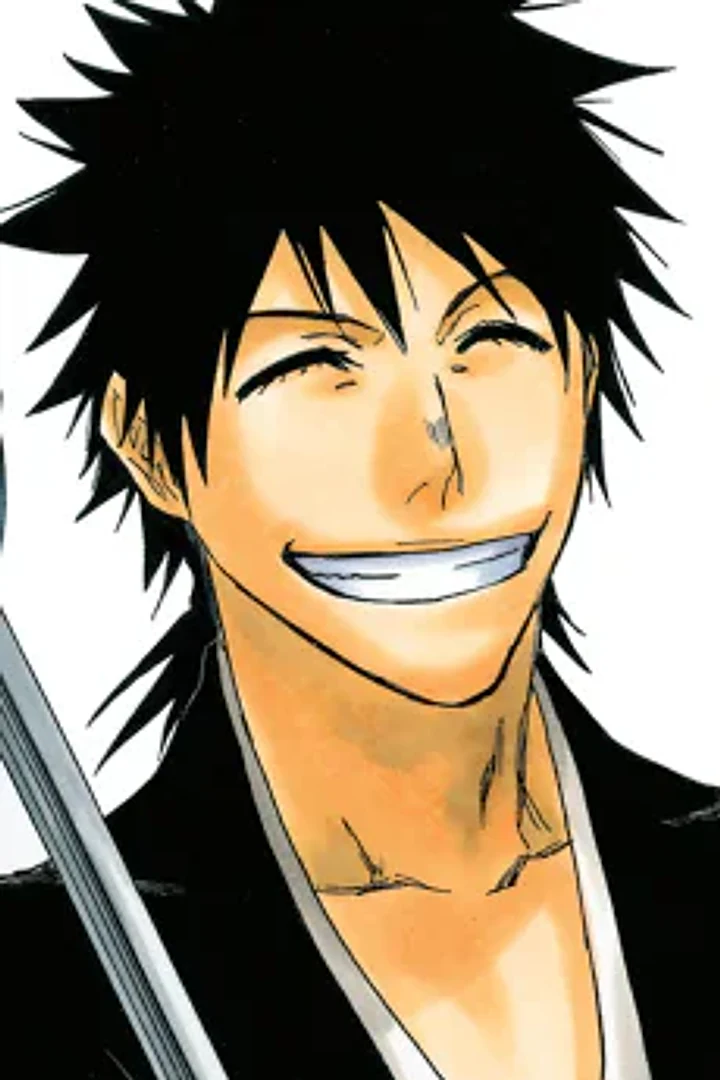
- Shunsui Kyoraku is Ukitake's oldest friend and fellow student of Yamamoto, sharing both institutional loyalty and the courage to question a specific order.
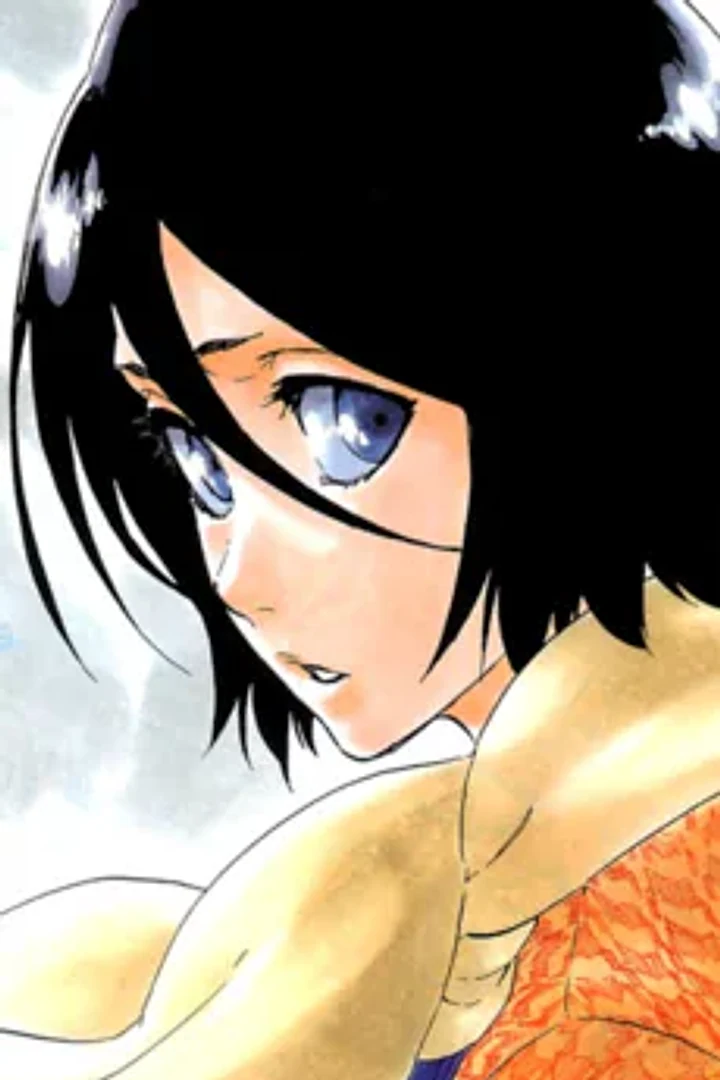
- Rukia Kuchiki serves in Squad 13, where Ukitake offers humane leadership while recognising the grief tied to Kaien Shiba's death.
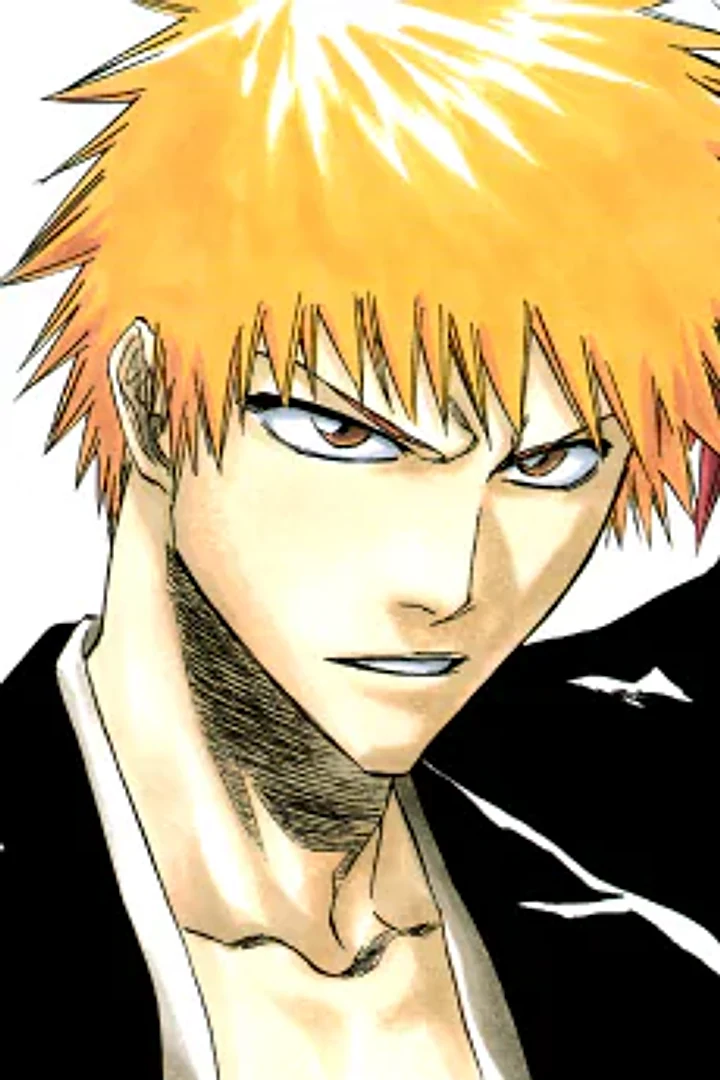
- Ichigo Kurosaki receives the Substitute Soul Reaper Combat Pass from Ukitake, placing their trust inside a system with purposes Ichigo does not initially know.
Story progression
Defining moments
- Joining Shunsui to destroy the Sokyoku demonstrates that obedience ends where Ukitake believes Soul Society is betraying justice.
- Standing against Yamamoto despite illness shows that compassion can require direct resistance to overwhelming authority.
- Giving Ichigo the Substitute Soul Reaper Combat Pass links personal trust with the complicated surveillance and protection duties of Squad 13.
Visual language
Symbolism and visual design
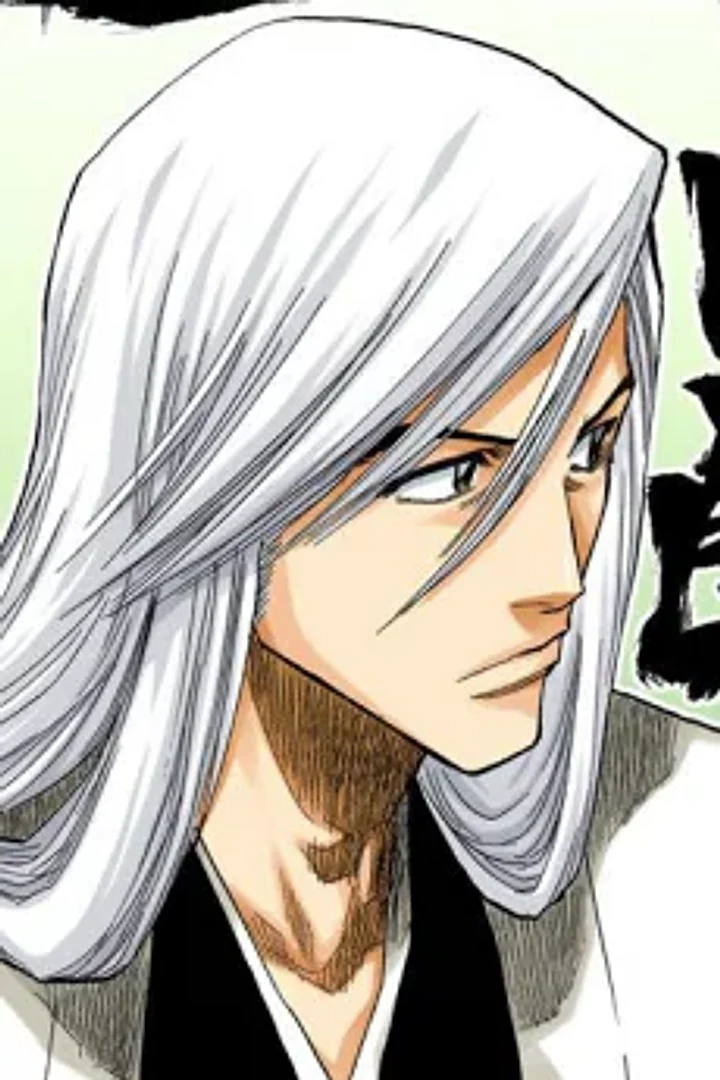
White hair caused by childhood illness makes physical vulnerability permanently visible despite captain-level power.
Twin swords connected by a cord express cooperation, balance and the redirection of force rather than solitary attack.
The sweets Ukitake gives younger officers add ordinary care to a military space and reinforce leadership through small acts.
Adaptation notes
Manga versus anime
The manga presents Ukitake's compassion early while holding back the full cause and significance of his illness. The 2004 anime expands Squad 13 interactions and includes him in original captain conflicts.
Bleach: Thousand-Year Blood War connects Ukitake's childhood survival to a late Soul Society crisis. The ritual, sacrifices and current status involved remain reserved for spoiler-marked coverage. Hideo Ishikawa voices Ukitake in Japanese.
Spoiler section
Ending and current status
The main profile avoids end-of-series outcomes and late identity or relationship reveals.
Ending and current-status coverage will only appear inside a dedicated, clearly labelled spoiler section.