Performance
Voice actors and performance
Performance credits are listed by release language and checked against the cited release sources.
Complete character analysis
Story, powers and development
Story spoilers ahead
The spoiler-safe introduction appears above. The sections below connect personality and abilities to relationships, defining moments, adaptation choices and current status.
Character study
Personality and motivation
- Compassionate
- Resilient
- Curious
- Trusting without being passive
Power system
Abilities, powers and limitations
Abilities
- Finding food, shelter and safe routes while travelling through rural terrain
- Reading the moods and intentions of companions who explain very little
- Responding quickly to danger despite having no demonic combat power
- Maintaining empathy across the human-demon hostility surrounding the group
Limits
- Rin is a human child without the strength, speed or supernatural defences of her travelling companions.
- Her trust in Sesshomaru can place her near battles whose scale she cannot control.
- Trauma and social isolation leave her dependent on a very small group for protection and belonging.
Character connections
Important relationships
- Sesshomaru revives Rin and gradually accepts responsibility for her safety, while her presence challenges his contempt for human life.
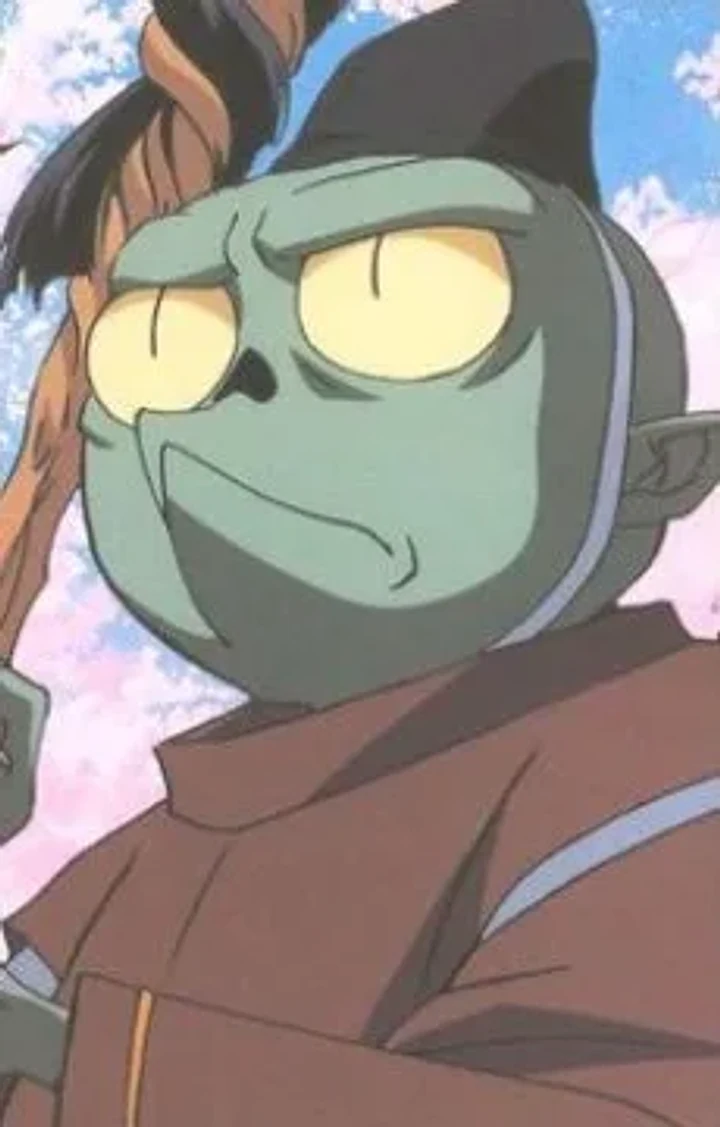
- Jaken complains about caring for Rin but becomes her regular travelling companion and protector whenever Sesshomaru is absent.
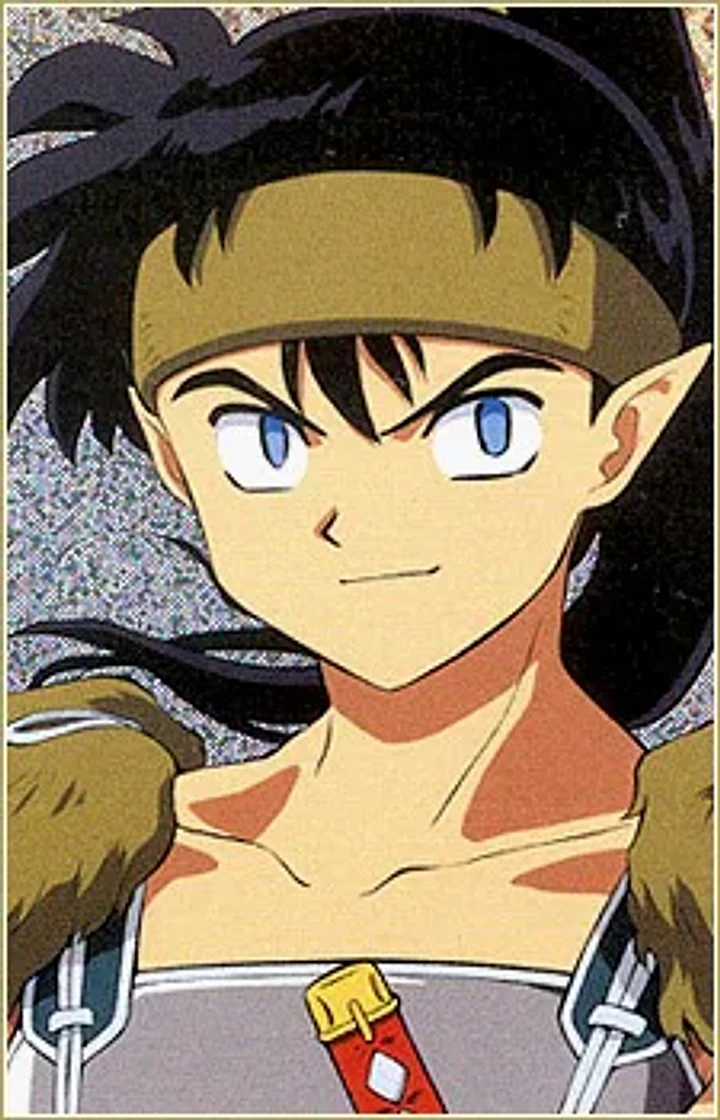
- Kohaku meets Rin as another child displaced by Naraku's violence, allowing trust to develop without requiring either one to explain every wound.
Story progression
Defining moments
- Bringing food to the wounded Sesshomaru despite receiving no promise of protection establishes compassion as Rin's independent choice.
- Being revived by Tenseiga gives Sesshomaru's inherited sword a personal consequence and begins their shared journey.
- Speaking and smiling again while travelling shows recovery through safety and connection rather than through forgetting what happened.
Visual language
Symbolism and visual design
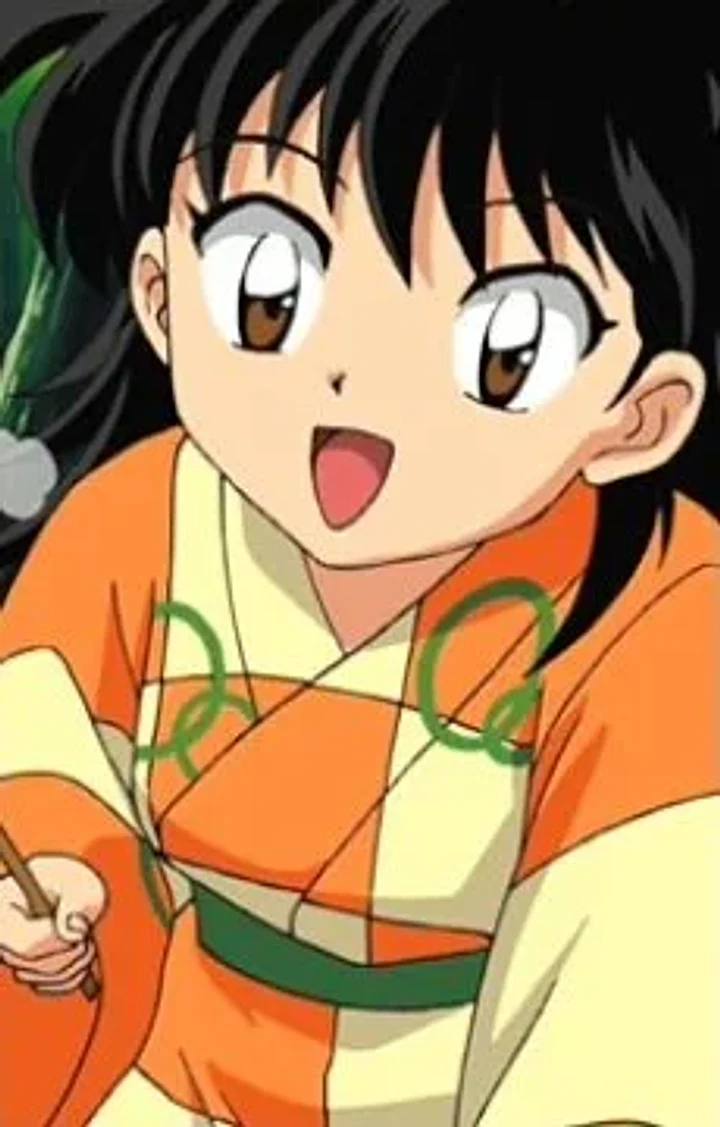
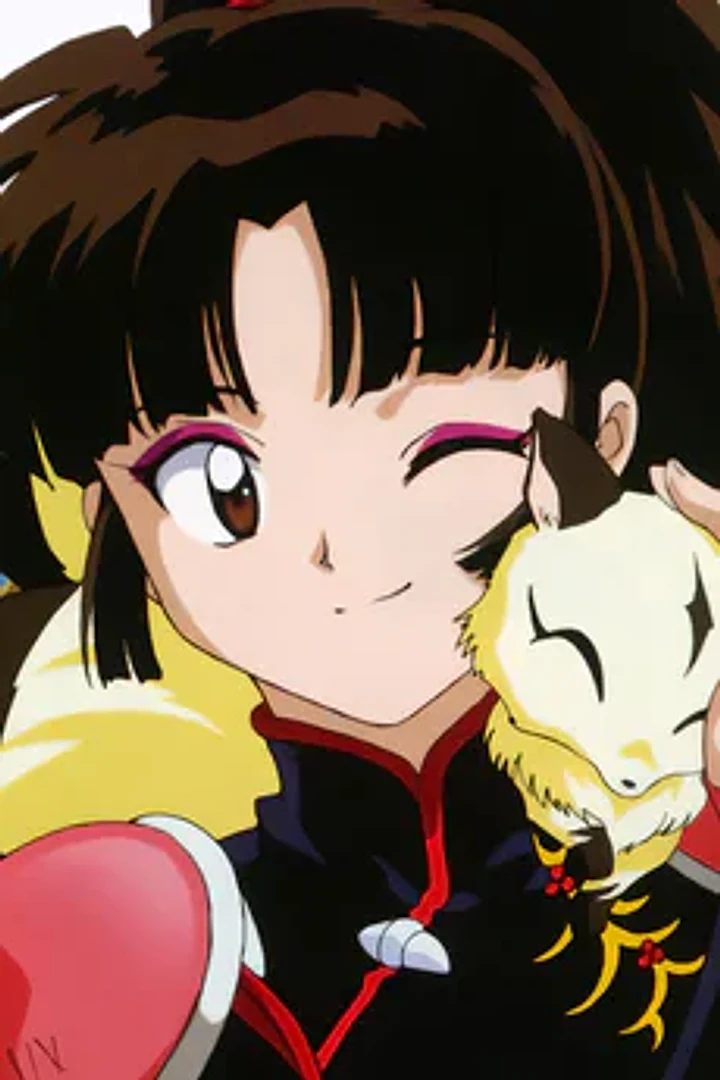
Rin's simple orange-and-yellow clothing brings warmth into Sesshomaru's white, armoured visual world.
Flowers and gathered food recur around her acts of care, giving ordinary human offerings value beside supernatural weapons.
Her place between Sesshomaru and Jaken turns an austere demon lord's procession into an unconventional travelling household.
Adaptation notes
Manga versus anime
Rumiko Takahashi's manga establishes Rin's meeting with Sesshomaru and her role in his gradual understanding of compassion. The 2000 anime adds travel scenes and standalone dangers that expand her daily relationship with Jaken and Sesshomaru.
Inuyasha: The Final Act adapts later tests surrounding Rin at a faster pace. Yashahime depicts a later stage of her life, so its family and status revelations belong only in spoiler-marked coverage. Mamiko Noto voices Rin in Japanese.
Spoiler section
Ending and current status
The main profile avoids end-of-series outcomes and late identity or relationship reveals.
Ending and current-status coverage will only appear inside a dedicated, clearly labelled spoiler section.