Performance
Voice actors and performance
- Hiroshi Yanaka - Japanese (early original-series episodes)
- Toshiyuki Morikawa - Japanese (original series and The Final Act)
Performance credits are listed by release language and checked against the cited release sources.
Complete character analysis
Story, powers and development
Story spoilers ahead
The spoiler-safe introduction appears above. The sections below connect personality and abilities to relationships, defining moments, adaptation choices and current status.
Character study
Personality and motivation
- Calculating
- Patient
- Possessive
- Cruel through manipulation
Power system
Abilities, powers and limitations
Abilities
- Changing appearance and operating through stolen identities
- Generating barriers, poisonous miasma and destructive demonic energy
- Reforming a composite body and absorbing new demonic material
- Creating incarnations with specialised powers to act on his behalf
Limits
- The human heart inherited from Onigumo preserves desires that Naraku cannot eliminate simply by gaining more demonic power.
- Reconstructing or discarding parts of his body can require periods of concealment and vulnerability.
- Treating every relationship as coercion makes genuine loyalty impossible and encourages his servants to seek freedom or betrayal.
Character connections
Important relationships
- Kikyo cared for Onigumo before Naraku's creation, and his corrupted fixation on her drives the deception that separates her from Inuyasha.
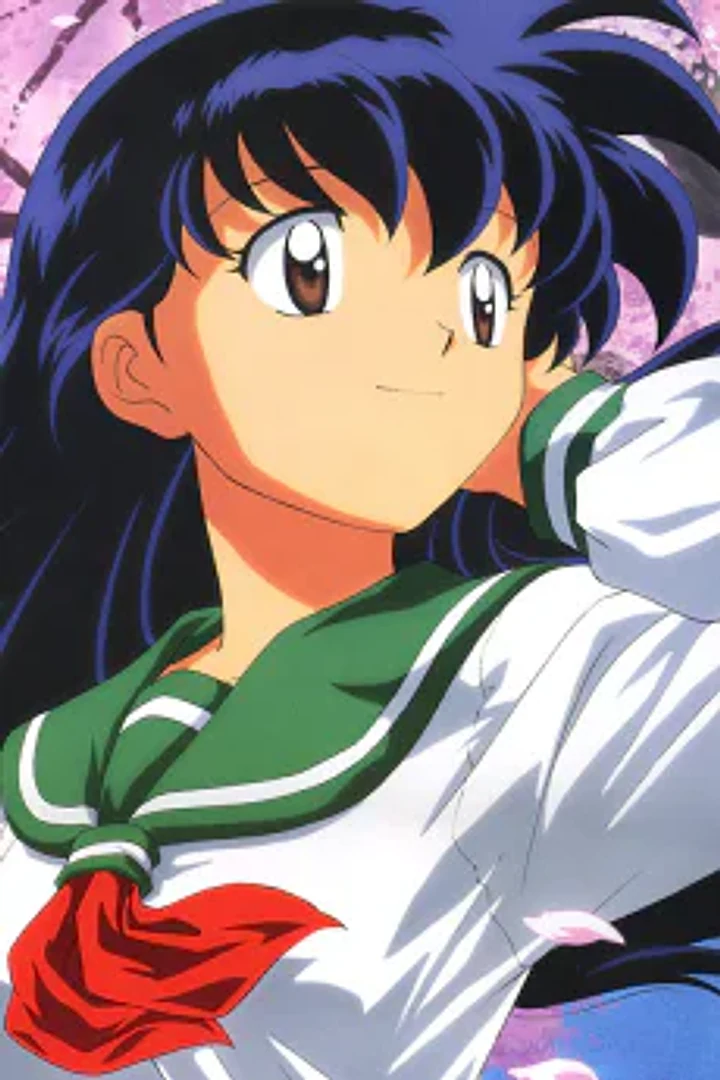
- Inuyasha and Kagome threaten Naraku not only through strength but by repeatedly rebuilding the trust he tries to destroy.
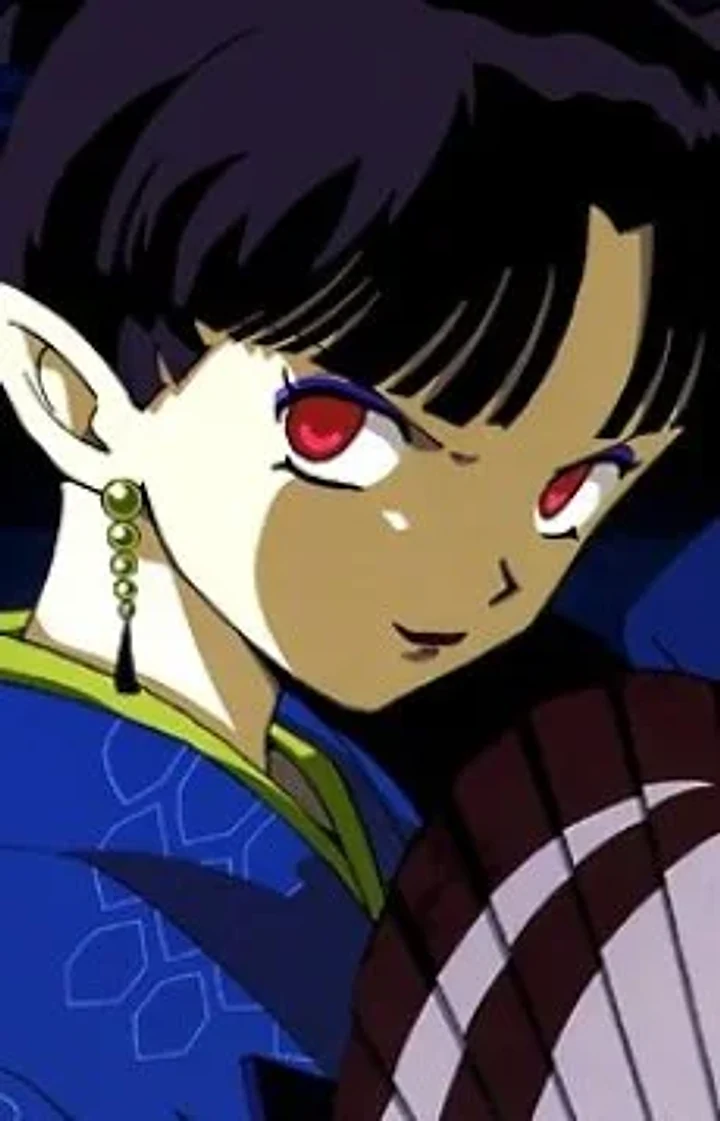
- Kagura is one of Naraku's incarnations; keeping her heart under his control exposes how completely he substitutes possession for loyalty.
Story progression
Defining moments
- Disguising himself to make Inuyasha and Kikyo believe they attacked one another establishes manipulation as the source of the central tragedy.
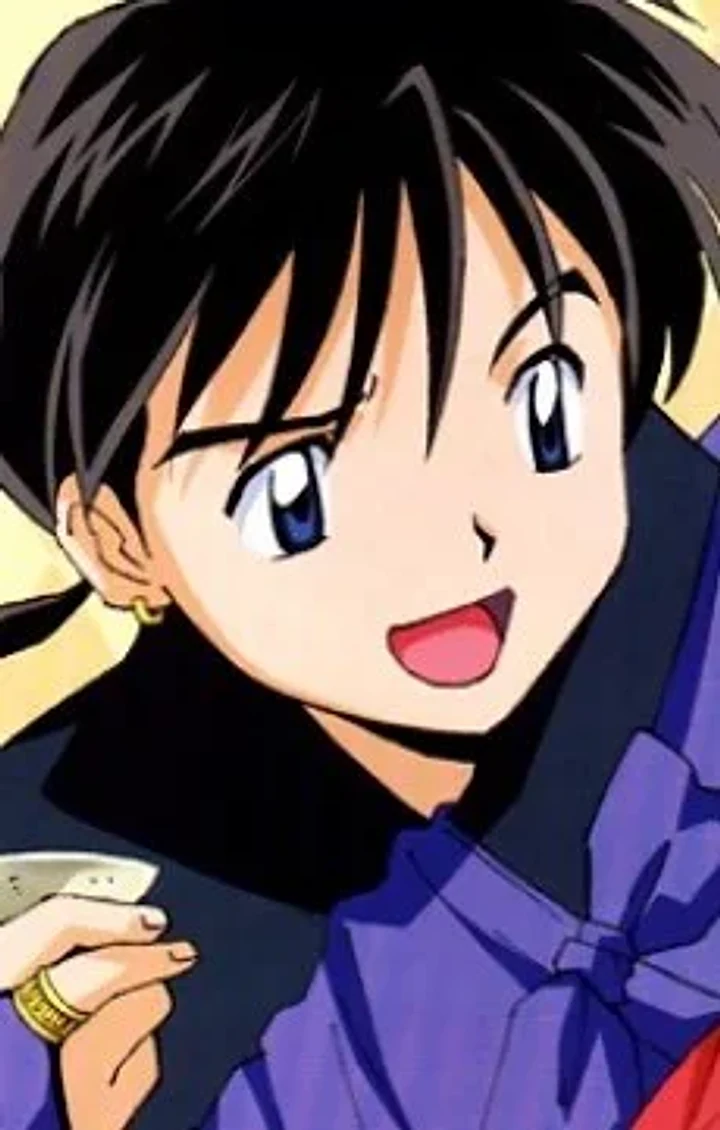
- Placing the Wind Tunnel curse on Miroku's family demonstrates how Naraku turns one act of cruelty into suffering that persists across generations.
- Creating independent incarnations expands his reach while also producing new wills that cannot be treated as simple extensions forever.
Visual language
Symbolism and visual design
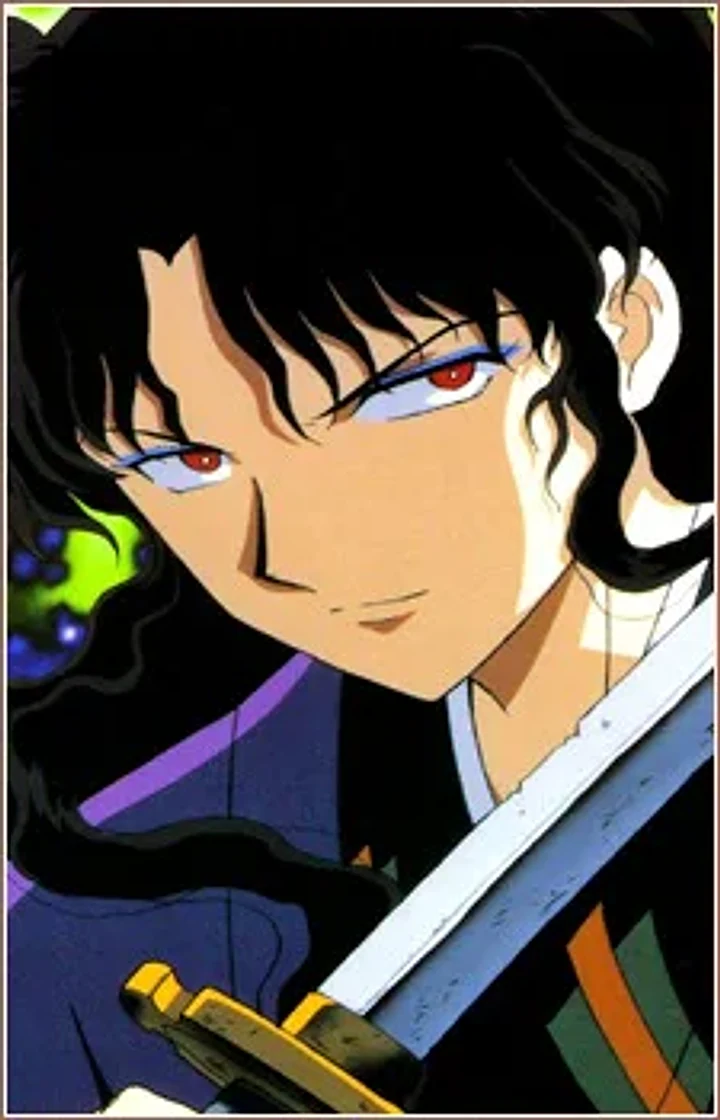
The white baboon pelt conceals Naraku's face and body, making disguise and emotional distance part of his earliest silhouette.
A spider-shaped mark links every borrowed form back to Onigumo and the human origin Naraku wants to transcend.
Miasma turns his influence into an atmosphere that poisons the space around others before direct combat even begins.
Adaptation notes
Manga versus anime
Rumiko Takahashi's manga is the source continuity. The 2000 anime adds schemes and confrontations around Naraku while retaining the core history of Onigumo, Kikyo and the Shikon Jewel.
Inuyasha: The Final Act compresses the manga's remaining transformations and conflicts into 26 episodes. Hiroshi Yanaka voices Naraku early in the original Japanese series, with Toshiyuki Morikawa taking over from the early run and continuing through The Final Act.
Spoiler section
Ending and current status
The main profile avoids end-of-series outcomes and late identity or relationship reveals.
Ending and current-status coverage will only appear inside a dedicated, clearly labelled spoiler section.