Performance
Voice actors and performance
Performance credits are listed by release language and checked against the cited release sources.
Complete character analysis
Story, powers and development
Story spoilers ahead
The spoiler-safe introduction appears above. The sections below connect personality and abilities to relationships, defining moments, adaptation choices and current status.
Character study
Personality and motivation
- Proud
- Strategic
- Defiant
- Guarded about compassion
Power system
Abilities, powers and limitations
Abilities
- Controlling wind through attacks such as blades, gusts and cyclones
- Animating corpses as manipulated fighters through her Dance of the Dead
- Using a feather to travel through the air and observe from above
- Reading a battlefield quickly and redirecting opponents into conflict
Limits
- Naraku physically controls Kagura's heart and can punish or kill her if she openly rebels.
- Wind techniques give excellent range but do not make her invulnerable to sacred power or stronger demonic attacks.
- Secrecy protects her plans while making sustained trust with possible allies extremely difficult.
Character connections
Important relationships
- Naraku is Kagura's creator and captor, using possession of her heart to reduce independent will to enforced service.
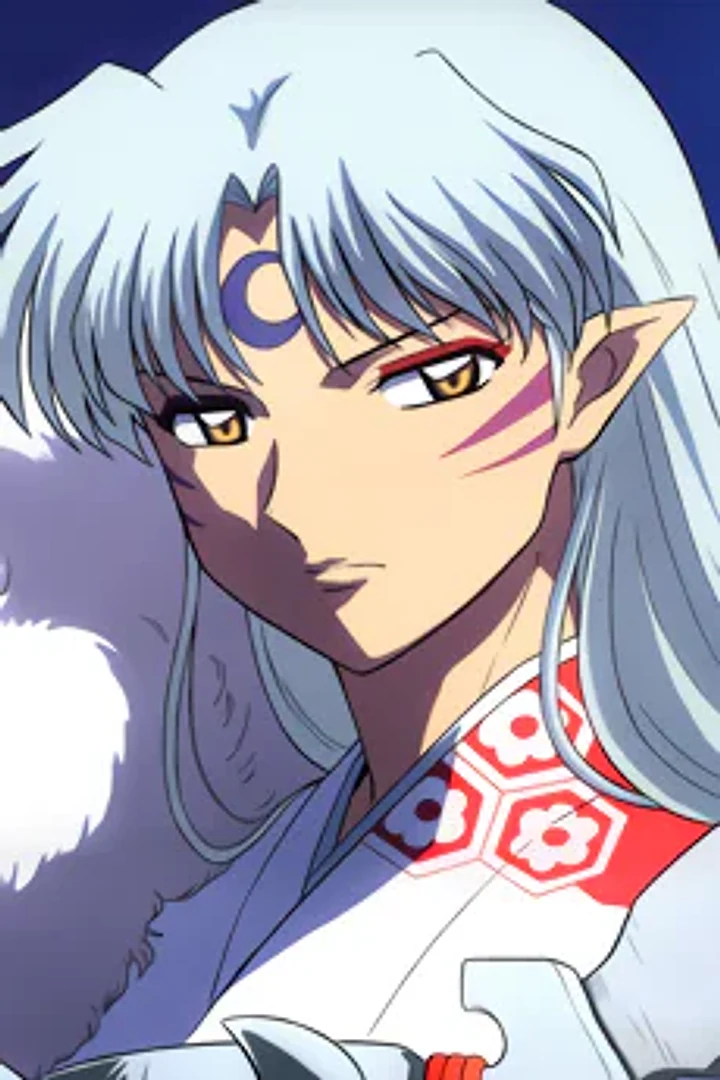
- Sesshomaru represents power outside Naraku's control, making him both a possible route to freedom and someone Kagura cannot easily manipulate.
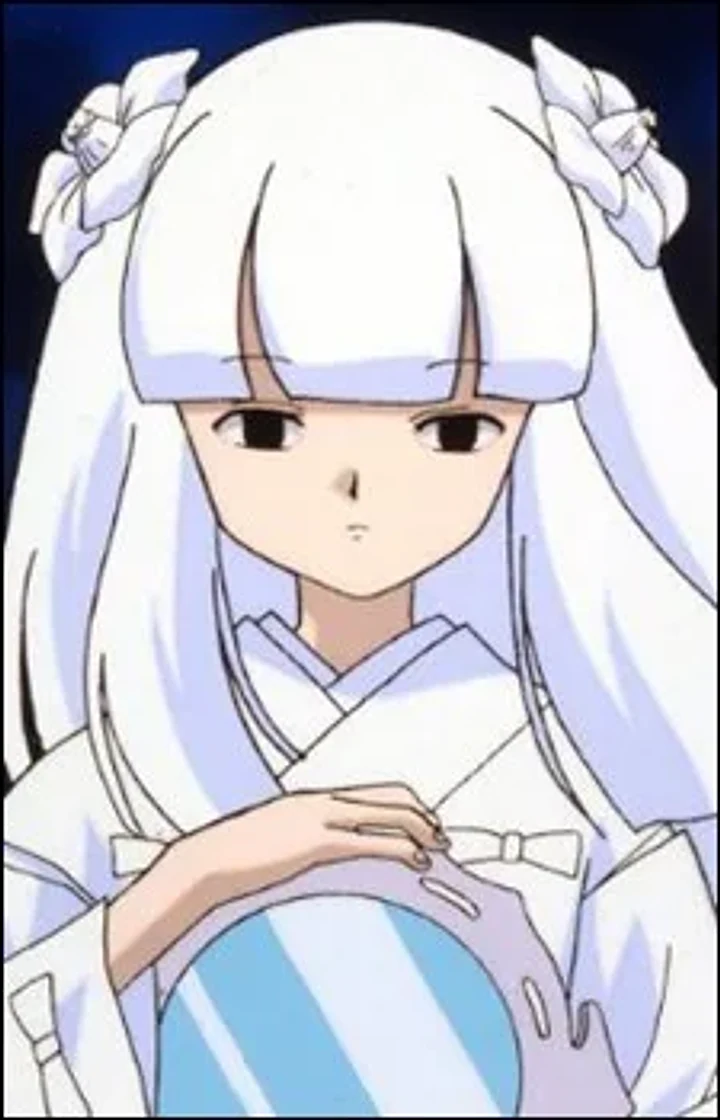
- Kanna is another incarnation of Naraku and Kagura's nominal elder sister, reflecting a quieter response to the same condition of created obedience.
Story progression
Defining moments
- Manipulating fallen wolf demons and framing Inuyasha establishes Kagura's power while revealing how completely Naraku dictates her first missions.
- Learning that Naraku deliberately used her to test an enemy makes resentment toward her creator explicit rather than merely implied.
- Seeking help beyond Naraku's network turns the wish for freedom into a dangerous strategy, even when she cannot reveal every intention.
Visual language
Symbolism and visual design
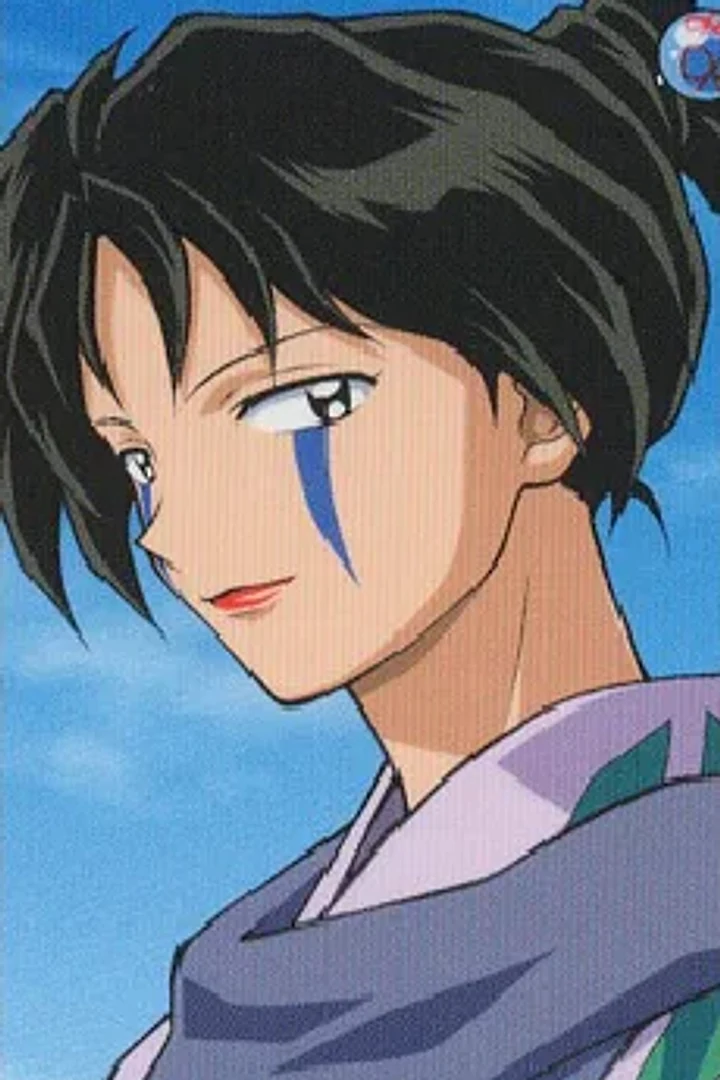
Wind represents movement without restraint, making Kagura's element the freedom her own body is denied.
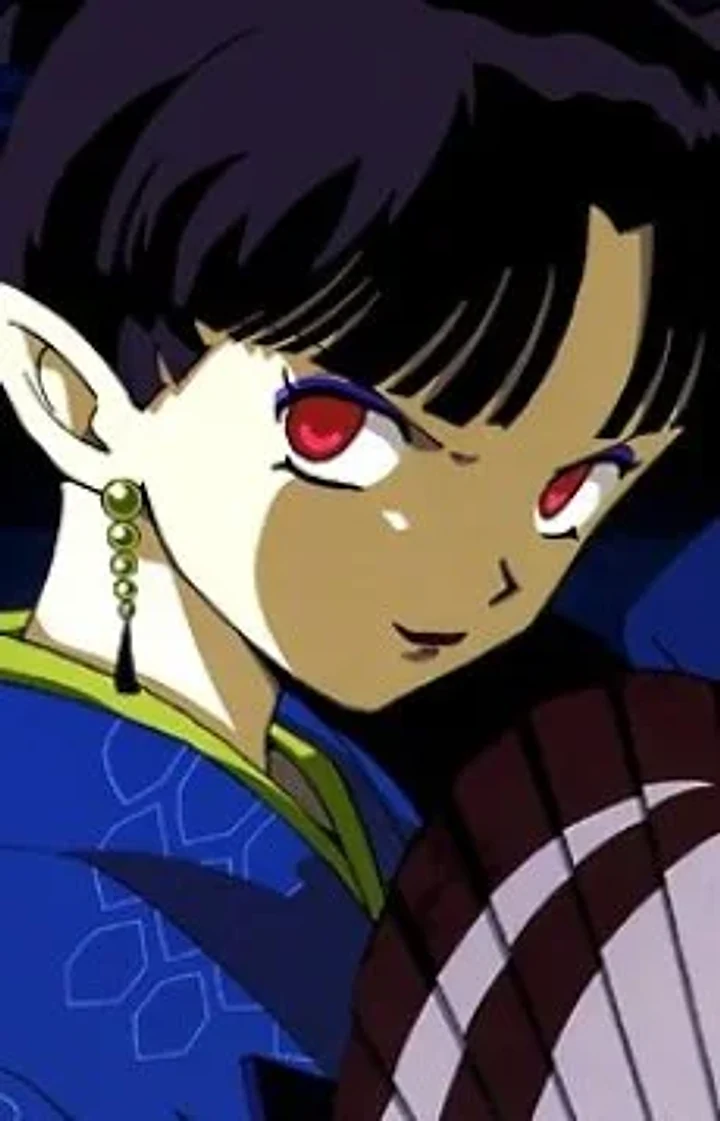
The folding fan converts an elegant accessory into a weapon, matching the composure she maintains while calculating escape.
Her travelling feather offers flight but not release, visualising the difference between physical mobility and genuine autonomy.
Adaptation notes
Manga versus anime
Rumiko Takahashi's manga establishes Kagura's struggle for autonomy and the danger created by Naraku holding her heart. The 2000 anime expands several confrontations and moments of observation around that central conflict.
Inuyasha: The Final Act adapts the remaining manga material at a compressed pace, so later shifts in Kagura's choices arrive with less connective time. Izumi Ogami voices Kagura in Japanese.
Spoiler section
Ending and current status
The main profile avoids end-of-series outcomes and late identity or relationship reveals.
Ending and current-status coverage will only appear inside a dedicated, clearly labelled spoiler section.