Performance
Voice actors and performance
- Houko Kuwashima - Japanese
Performance credits are listed by release language and checked against the cited release sources.
Complete character analysis
Story, powers and development
Story spoilers ahead
The spoiler-safe introduction appears above. The sections below connect personality and abilities to relationships, defining moments, adaptation choices and current status.
Character study
Personality and motivation
- Disciplined
- Protective
- Practical
- Vulnerable to guilt about her family
Power system
Abilities, powers and limitations
Abilities
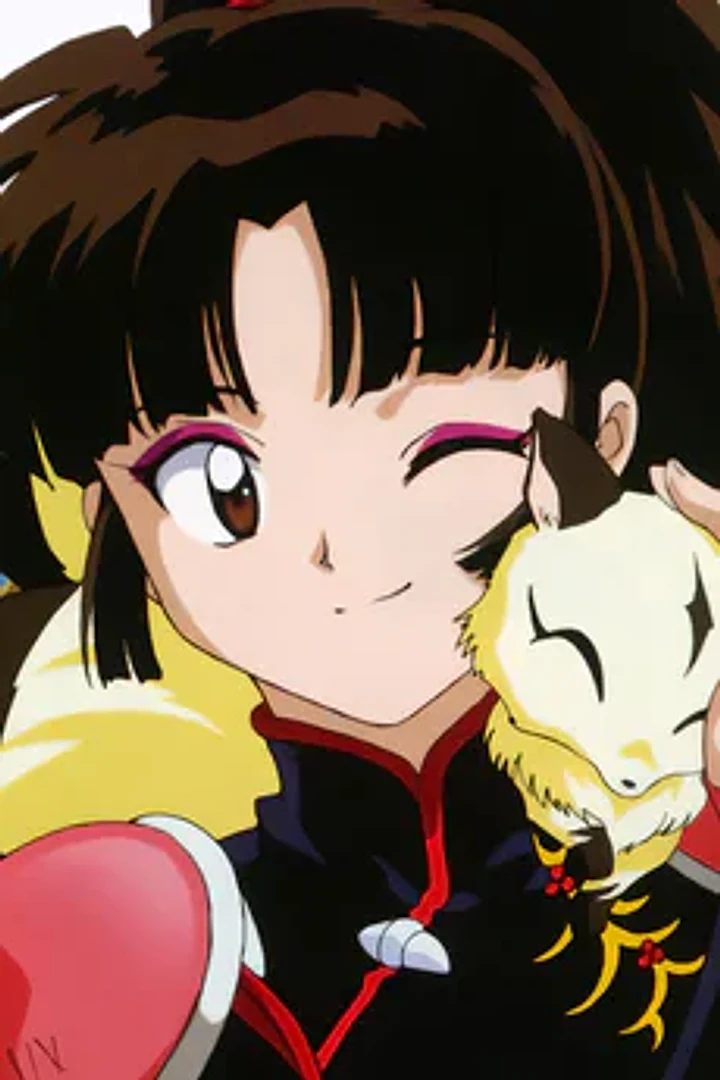
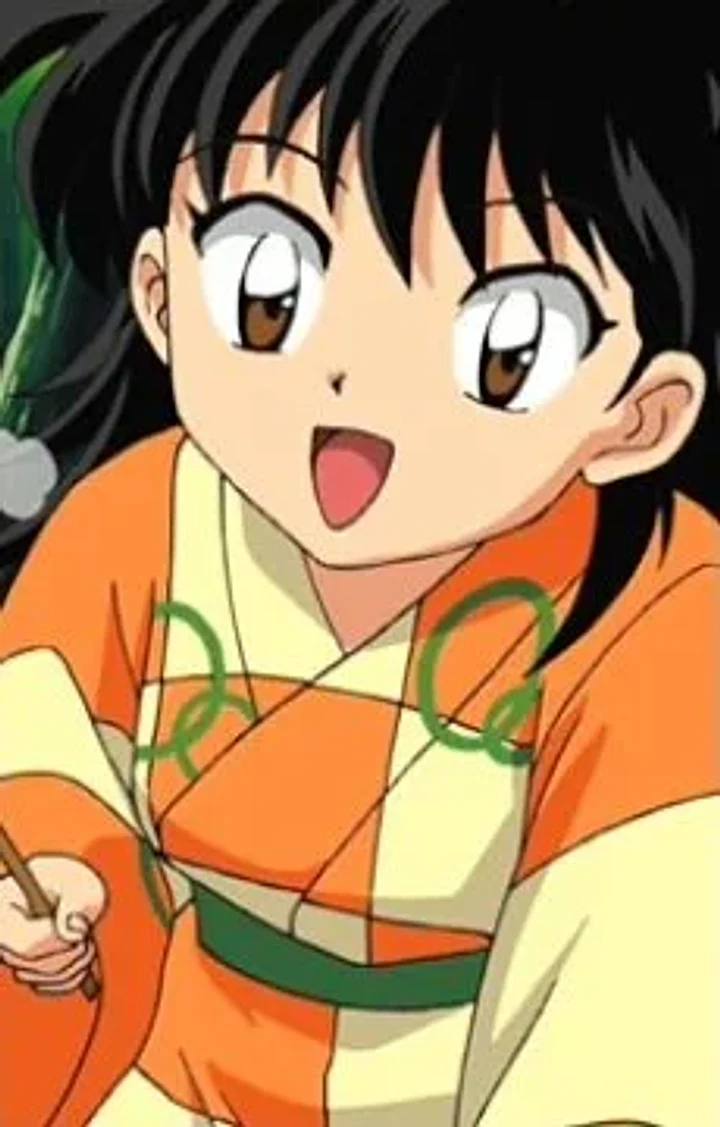
- Throwing and controlling the giant bone boomerang Hiraikotsu
- Close-range swordsmanship and concealed demon-slayer weapons
- Knowledge of poisons, antidotes, demon anatomy and tracking
- Coordinated aerial combat while riding the cat demon Kirara
Limits
- Sango is human and can be seriously injured by the force, poison and exhaustion involved in demon combat.
- Hiraikotsu is powerful but physically demanding, and damage to it removes her main ranged option.
- Threats involving Kohaku can force impossible choices between the mission, her companions and hope for her brother.
Character connections
Important relationships
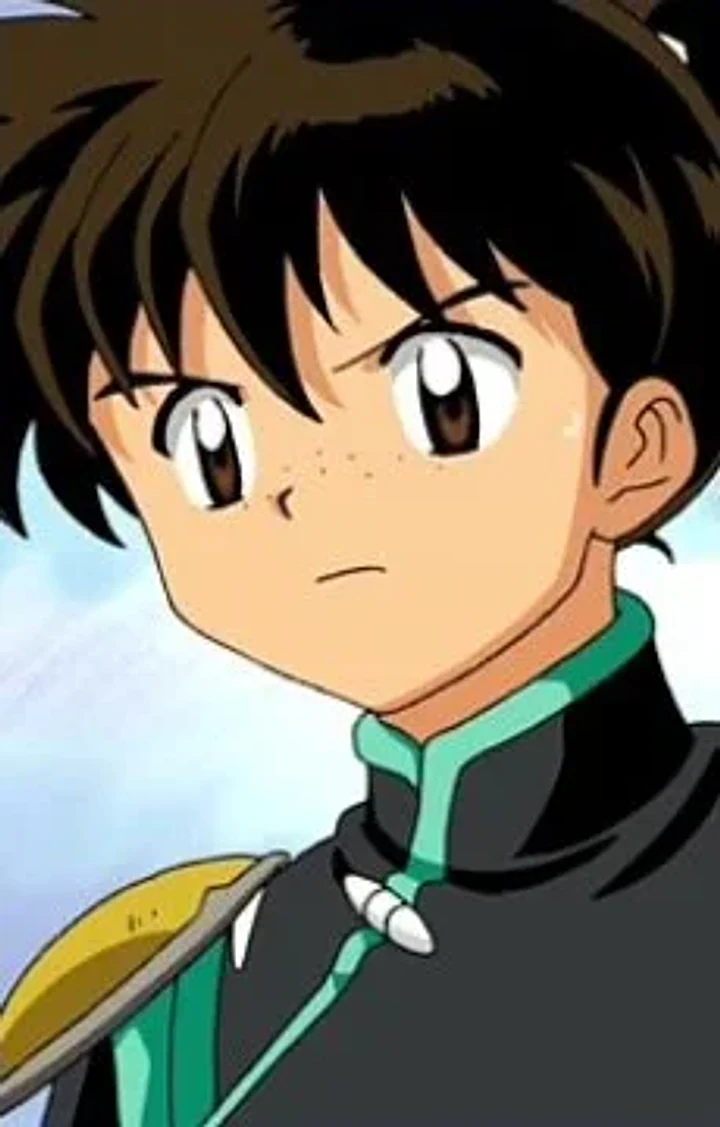
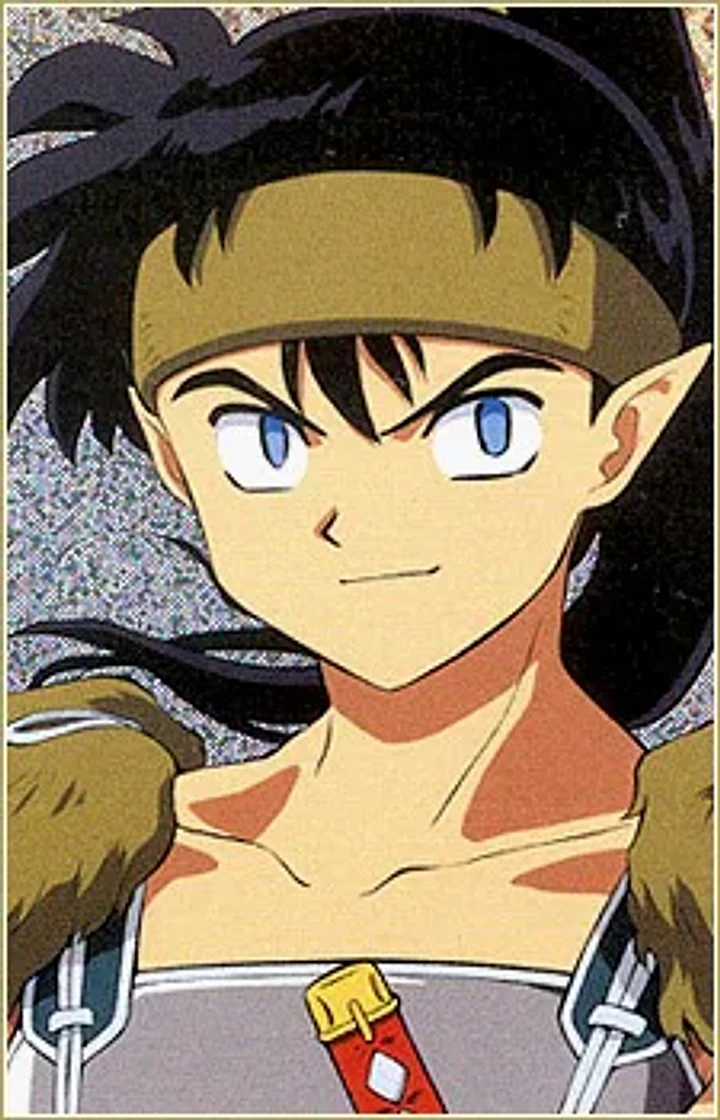
- Kohaku is Sango's younger brother and deepest responsibility, making his coerced actions a source of grief rather than a simple enemy conflict.
- Miroku becomes a trusted combat partner and romantic interest, though his repeated disregard for boundaries remains a real obstacle to trust.
- Kirara is Sango's lifelong companion and battlefield partner, connecting her present travels to the demon-slayer community she lost.
Story progression
Defining moments
- Surviving the attack that destroys her village turns a professional mission into a life organised around grief and accountability.
- Learning that Inuyasha was not responsible for the massacre redirects Sango's anger toward Naraku without resolving the damage manipulation caused.
- Choosing to travel with the group gives her a new cooperative structure without pretending that found family replaces the old one.
Visual language
Symbolism and visual design
Hiraikotsu is made from demon bone, transforming the remains of hunted threats into a tool shaped by communal knowledge.
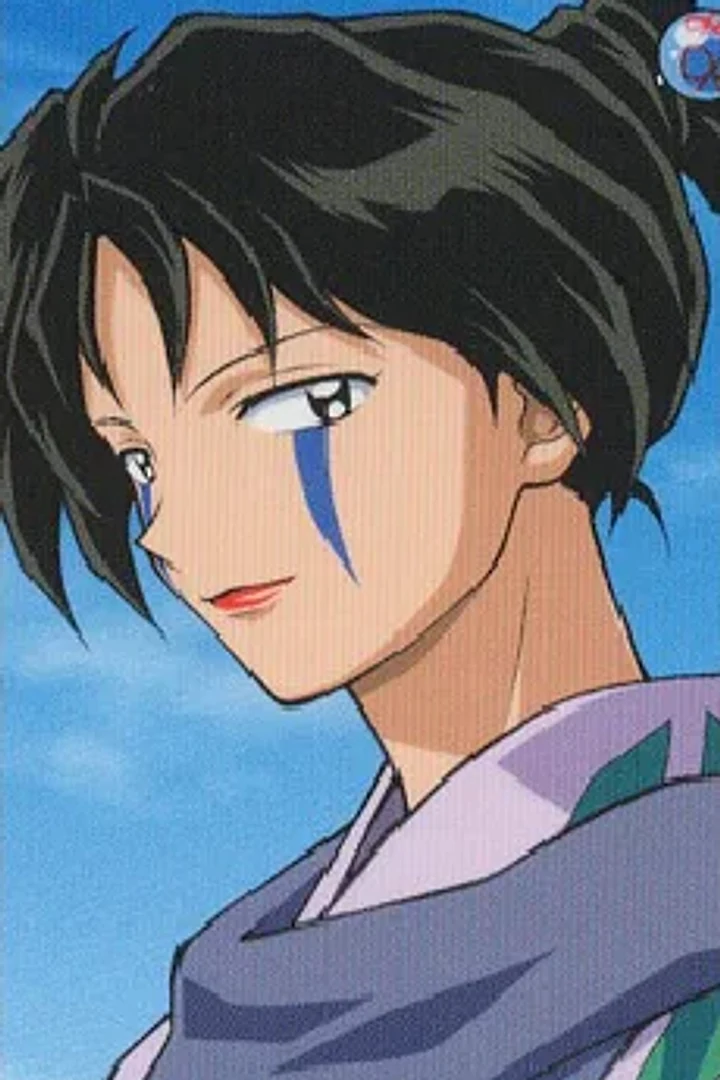
Her black slayer suit and protective mask present a professional identity distinct from the pink clothing worn during quieter travel.
Kirara bridges domestic companionship and formidable battle form, reflecting the coexistence of tenderness and trained violence in Sango's life.
Adaptation notes
Manga versus anime
The manga provides Sango's central story, while the 2000 anime adds standalone missions and domestic comedy that expands her daily relationships with the group.
Inuyasha: The Final Act compresses later decisions around Kohaku and Naraku. Yashahime depicts a later period of Sango's family life, so those outcomes belong in spoiler-marked coverage. Houko Kuwashima voices Sango in Japanese.
Spoiler section
Ending and current status
The main profile avoids end-of-series outcomes and late identity or relationship reveals.
Ending and current-status coverage will only appear inside a dedicated, clearly labelled spoiler section.