Performance
Voice actors and performance
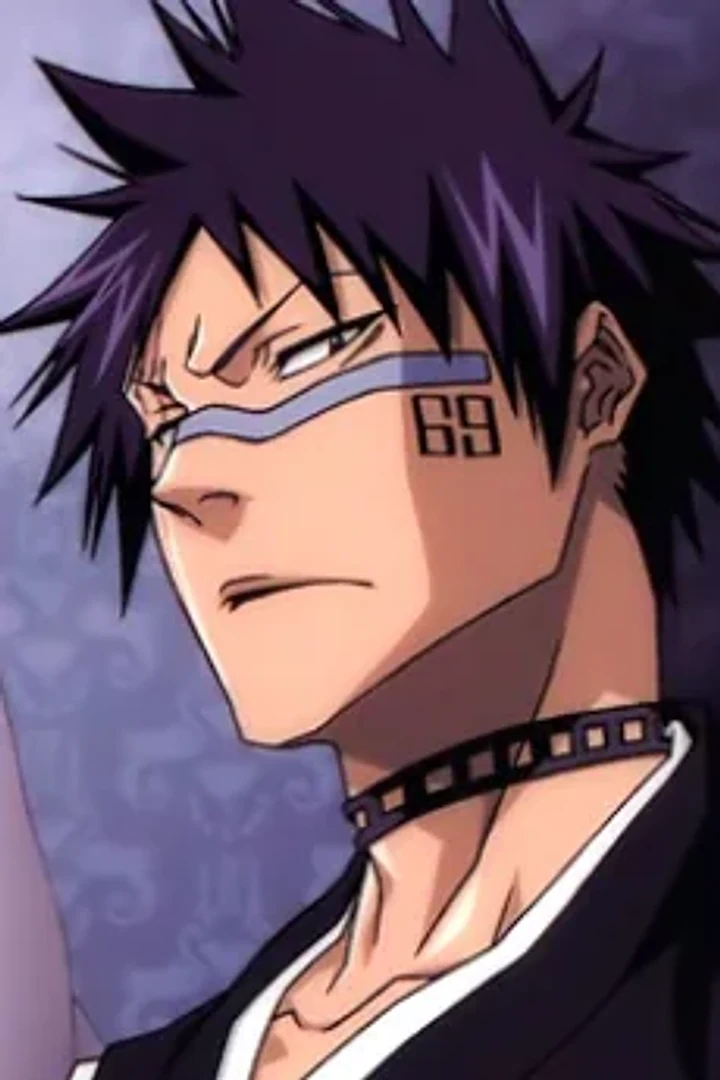
- Katsuyuki Konishi - Japanese
Performance credits are listed by release language and checked against the cited release sources.
Complete character analysis
Story, powers and development
Story spoilers ahead
The spoiler-safe introduction appears above. The sections below connect personality and abilities to relationships, defining moments, adaptation choices and current status.
Character study
Personality and motivation
- Responsible
- Cautious
- Loyal
- Brave without romanticising violence
Power system
Abilities, powers and limitations
Abilities
- Wielding Kazeshini as two double-bladed scythes joined by a long chain, changing direction through throws, pulls and rotating attacks
- Using the chain and central handholds to control range, trap weapons and attack from difficult angles
- Applying solid Kido, swordsmanship, Shunpo and battlefield judgment expected of an experienced lieutenant
- Continuing to fight through significant wounds when protecting allies or confronting his former captain
Limits
- Hisagi dislikes Kazeshini's death-associated shape and can hesitate to release it unless the situation demands lethal force.
- The chained blades require space and precise control; an opponent who closes distance or disrupts their path can reduce their advantage.
- His loyalty to Tosen's memory creates emotional conflict when duty requires him to strike the person he still respects.
Character connections
Important relationships
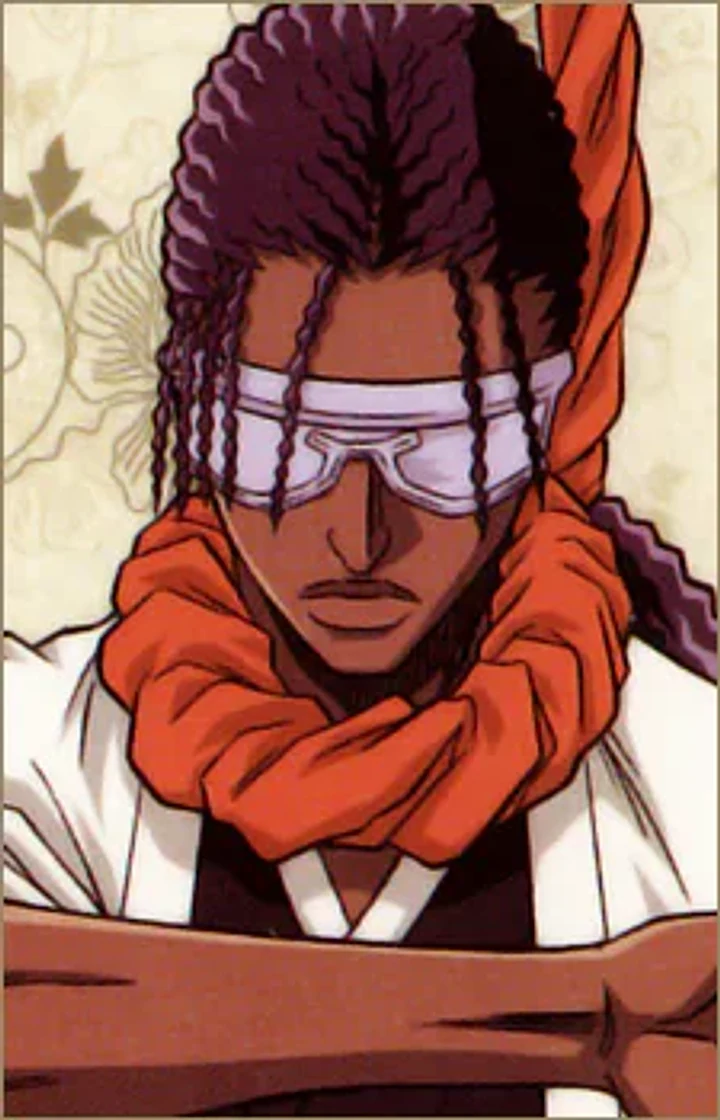
- Kaname Tosen is Hisagi's former captain and moral teacher, making their confrontation a struggle over who still follows Tosen's stated principles.
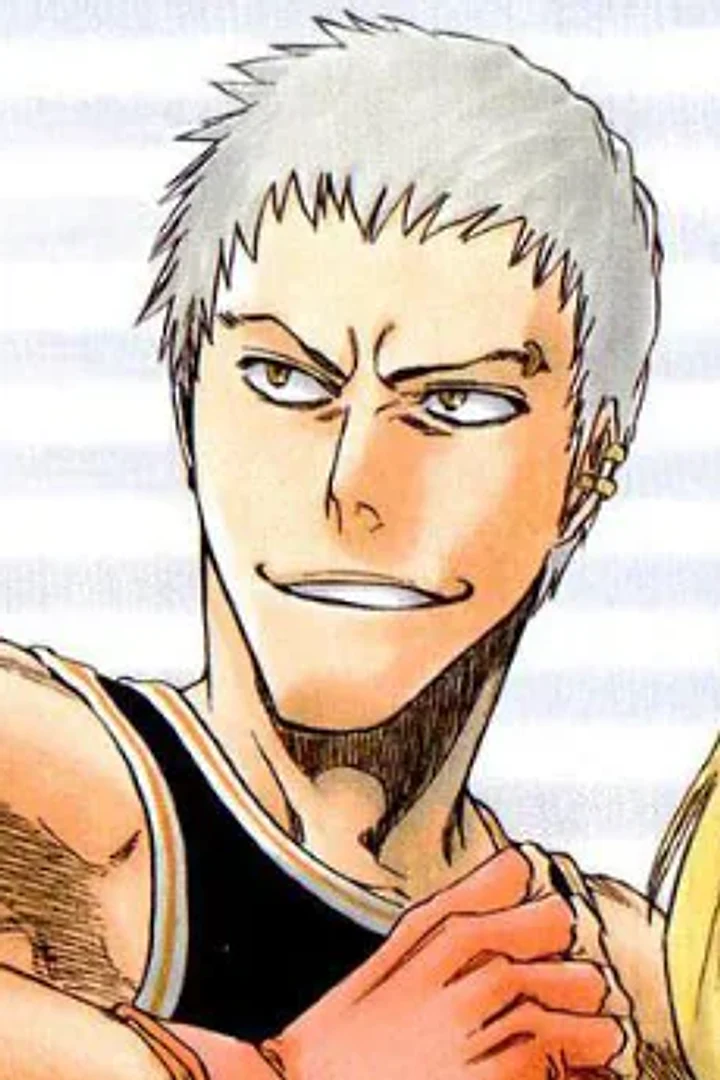
- Kensei Muguruma saves Hisagi as a child and later returns as Squad 9 captain, giving the lieutenant a living link to the origin of his path.
- Sajin Komamura shares Hisagi's grief over Tosen and his hope of reaching their former friend without denying the damage Tosen caused.
Story progression
Defining moments
- Revealing Kazeshini against Findorr explains why Hisagi's fear of his own weapon is the foundation of responsible strength.
- Entering Komamura's battle with Tosen turns a lieutenant's loyalty into the courage to oppose the captain he once followed.
- Waking after Mask de Masculine's apparent defeat to warn Kensei shows Hisagi prioritising information and comrades while badly injured.
Visual language
Symbolism and visual design
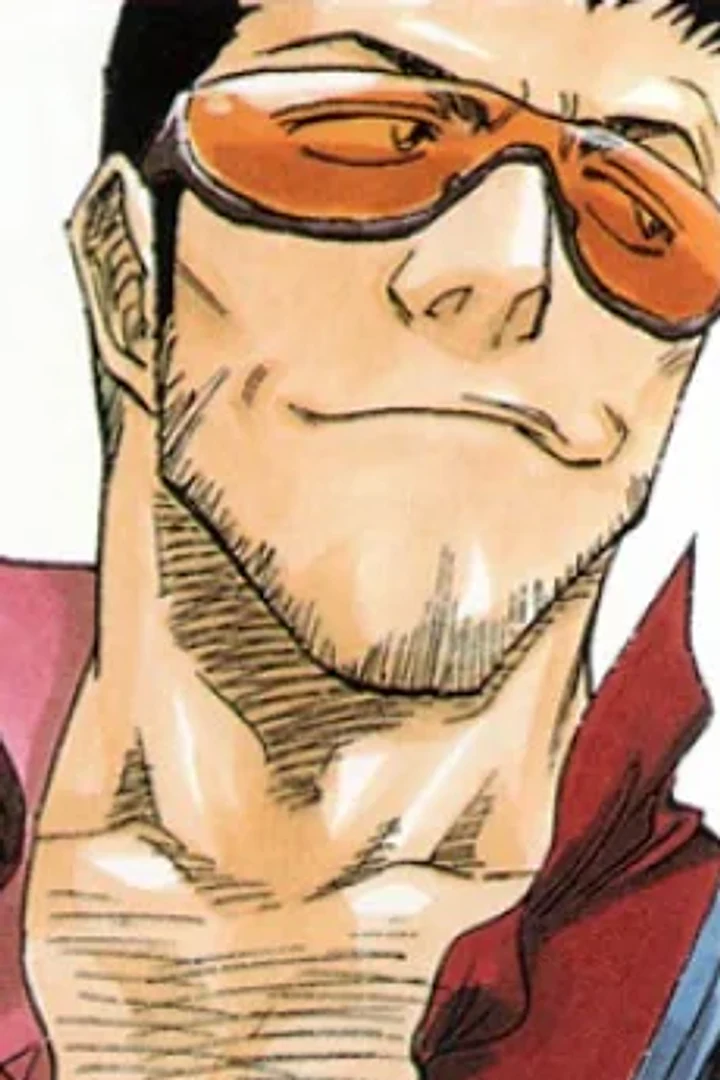
The 69 tattoo honours Kensei's childhood rescue, preserving gratitude as a chosen identity rather than a debt that erases judgment.
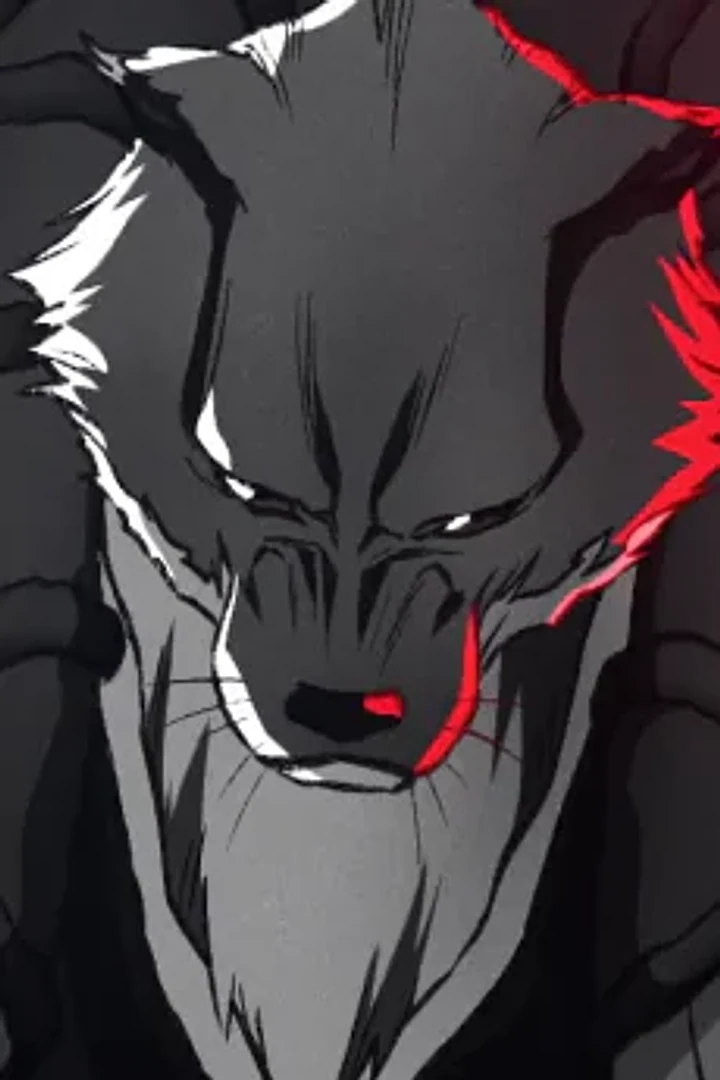
Kazeshini's scythes resemble tools of death that Hisagi refuses to romanticise, externalising his fear of what a sword is for.
His work as an editor balances the weapon: recording, questioning and communicating are also duties of someone serving Soul Society.
Adaptation notes
Manga versus anime
The manga establishes Hisagi's philosophy through the Findorr and Tosen fights but does not reveal his Bankai in the main series. That absence should not be filled with anime-only assumptions when comparing the core manga and television adaptation.
The anime expands Hisagi's presence through original stories involving Squad 9 and a manifested Kazeshini, while the canonical battles retain the manga's central fear-of-the-sword theme. The official Thousand-Year Blood War guide confirms Katsuyuki Konishi's Japanese performance and Hisagi's history with Tosen and Kensei; later status remains spoiler-marked coverage.
Spoiler section
Ending and current status
The main profile avoids end-of-series outcomes and late identity or relationship reveals.
Ending and current-status coverage will only appear inside a dedicated, clearly labelled spoiler section.